


Health & Wellbeing · 19 October 2026 · 5 min read
Menopause, bone density and resistance training
Where reformer Pilates fits in protecting strength and bone through midlife.
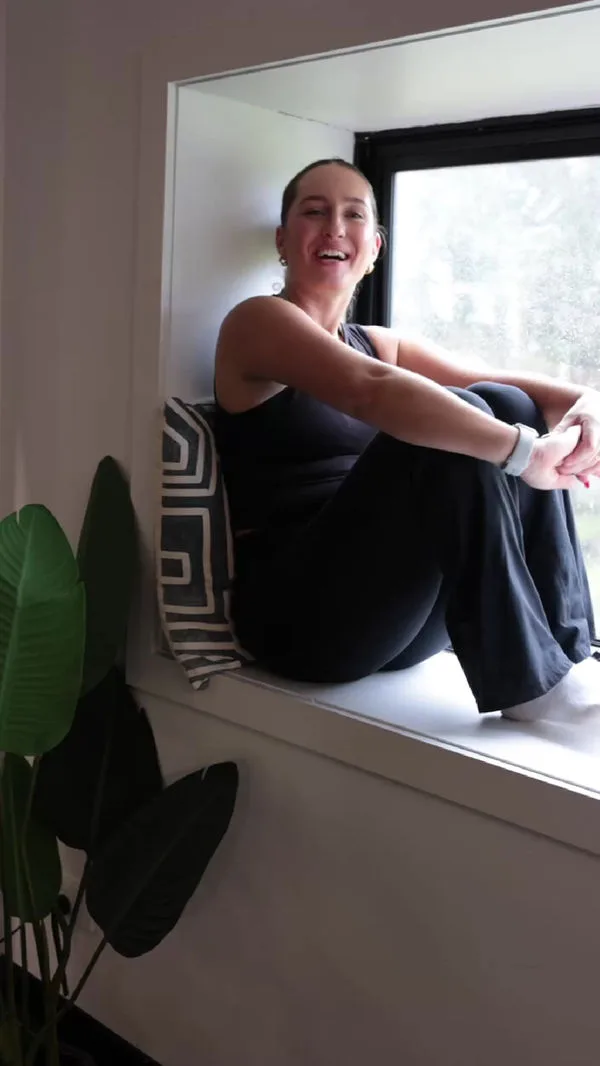
There is a conversation happening in women's health right now that is decades overdue, and it centres on one sentence: through menopause and beyond, resistance training stops being optional. Muscle and bone both decline faster once oestrogen falls, and the single most effective countermeasure is loading them, regularly, for the rest of your life.
That sentence lands in our studios weekly, usually via a GP's advice or a good podcast, followed by the question: does Reformer Pilates count? Here is the honest, useful answer, with the standing note that your GP or a menopause specialist should guide anything medical, including bone density testing and treatment decisions. Exercise sits alongside that care, never instead of it.
What actually happens to muscle and bone
From roughly our mid thirties, everyone slowly loses muscle with age. Around menopause, the decline accelerates sharply, because oestrogen turns out to have been quietly protecting muscle and bone the whole time. Bone density drops fastest in the first years after the final period, which is why osteopenia and osteoporosis are so heavily weighted towards women.
The stakes are practical, not cosmetic. Muscle is what keeps you strong, steady on your feet, metabolically healthy and independent. Bone density is what determines whether a slip in the garden is a bruise or a fractured wrist or hip. Falls plus fragile bones is the combination that ends independence, and both halves of it are trainable.
Here is the genuinely hopeful part: muscle and bone remain responsive to training at every age. The window never closes. The tissue you challenge is the tissue you keep.
What bones and muscles need
The recipe is well established. Muscles need progressive resistance: loads that challenge them, increasing over time as they adapt. Bones need mechanical signal: load through the skeleton, muscle pulling on bone, and ideally some impact, because bone remodels in response to being needed.
Add the third pillar, balance training, since the best defence against fracture is never falling in the first place, and you have the complete prescription that health authorities now push hard for midlife women.
Where Reformer Pilates fits honestly
So, does Pilates count? For most of the prescription, emphatically yes, with one honest caveat worth knowing.
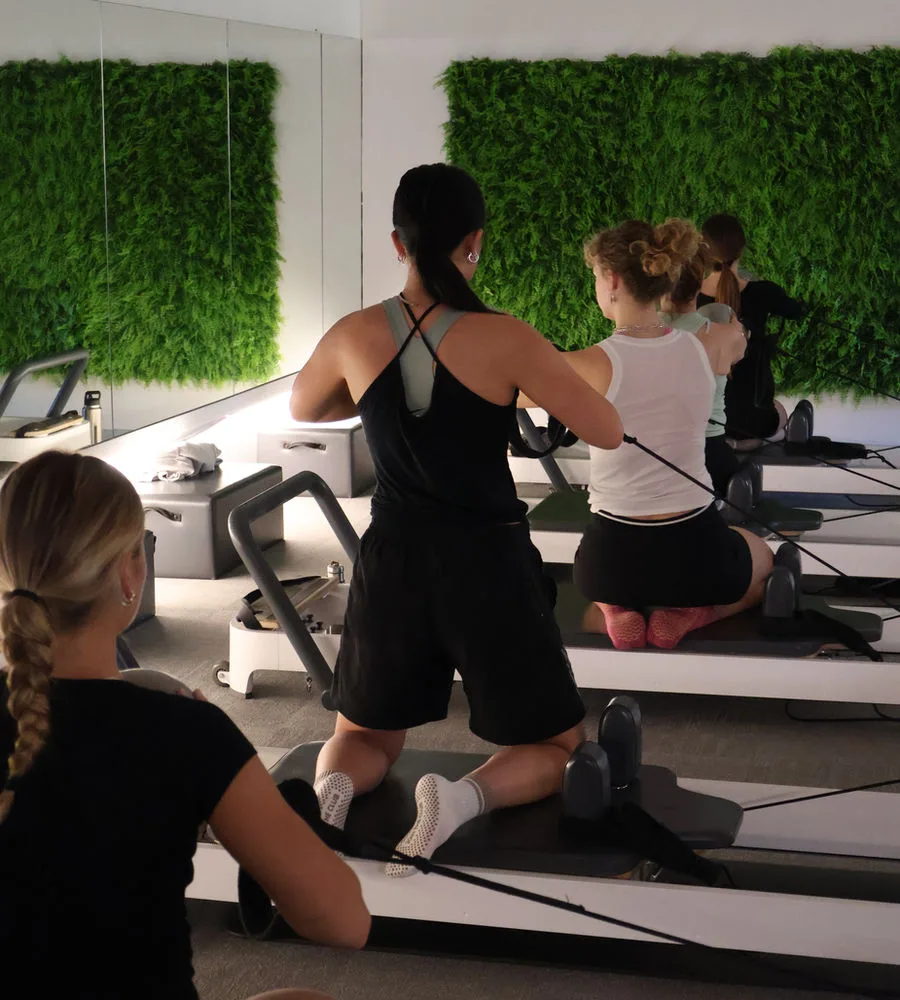
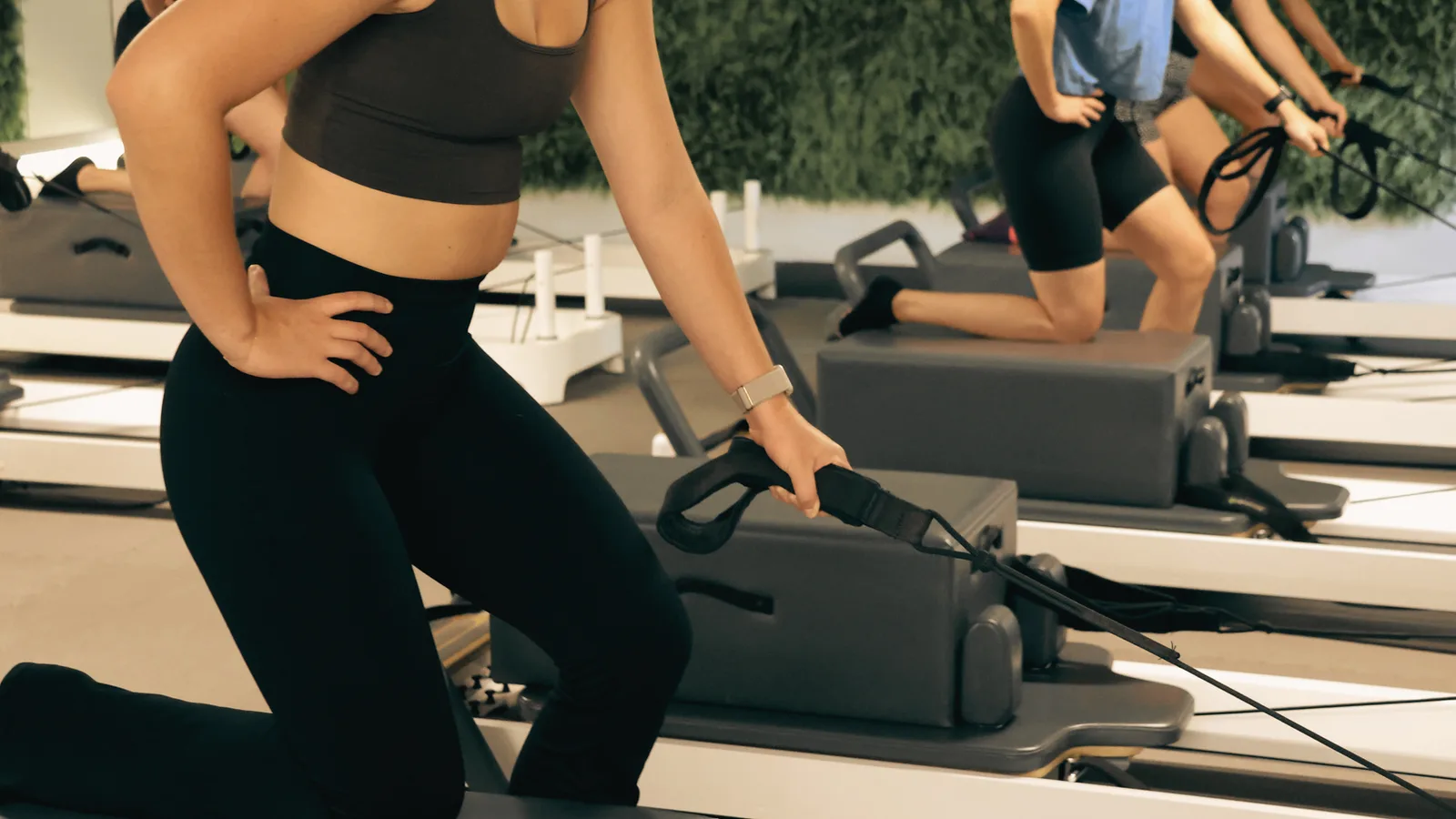
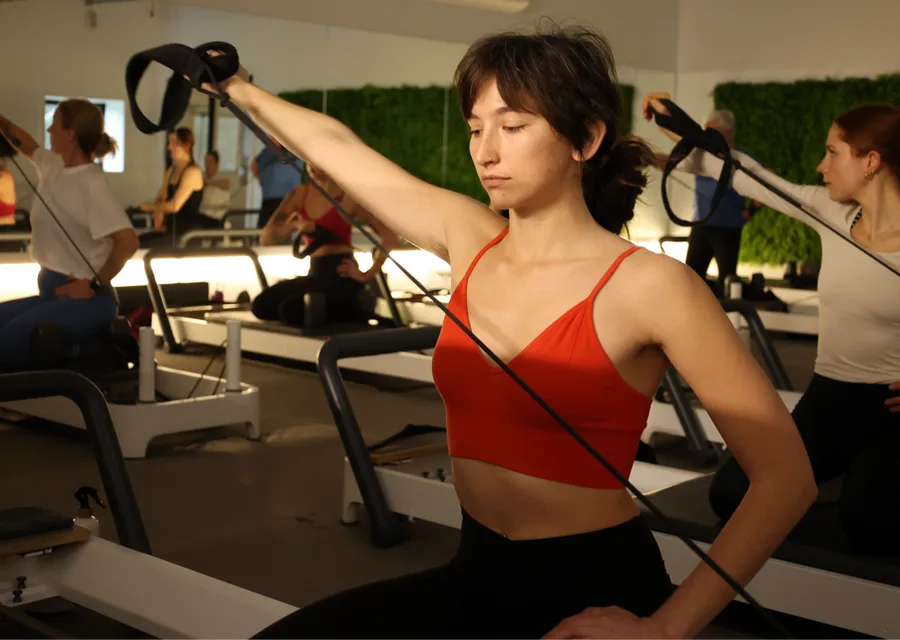
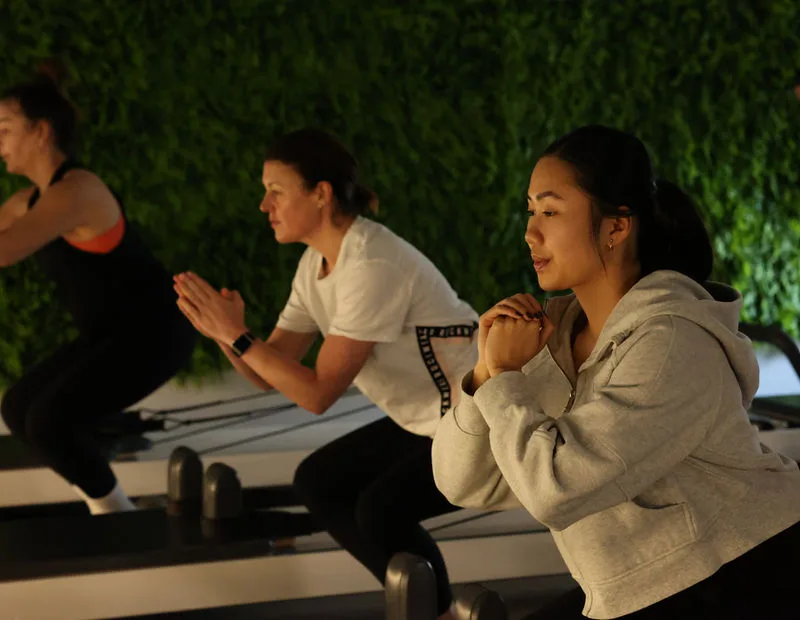
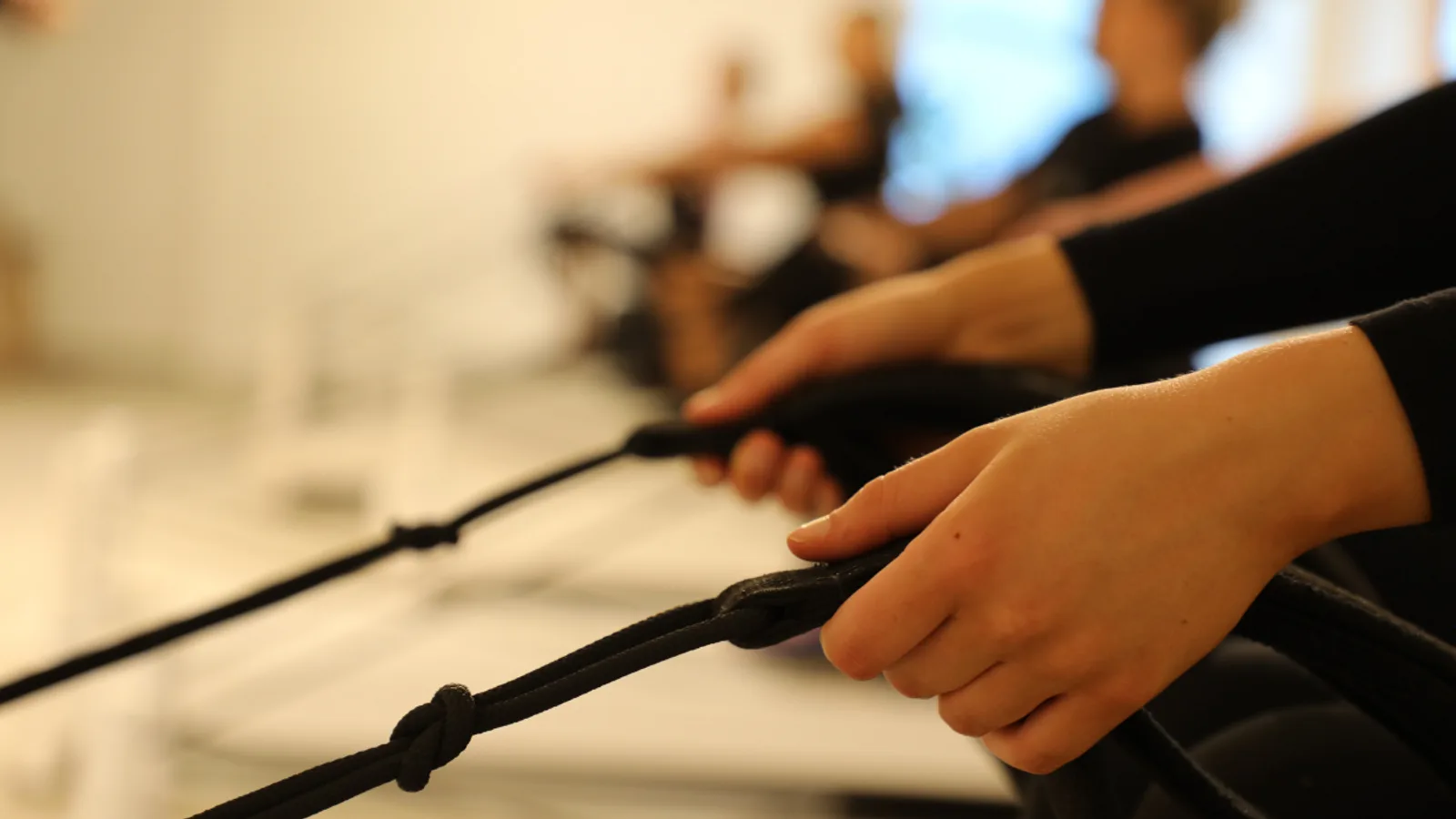
The yes: Reformer work is genuine progressive resistance training. Springs load your muscles through full ranges, the load progresses as you do, and the spring system lets that progression happen safely for joints and, importantly, for spines that need care. Muscle pulling on bone is a bone signal in itself, standing and kneeling spring work loads the skeleton, and the method's balance and control training is about the best fall prevention work available. The posture strength that builds over the first couple of months also directly protects the vertebrae that osteoporosis threatens most.
The caveat: classic high impact loading, the jumping and hopping that gives bone its strongest building signal, is the one element traditional Reformer work delivers only in reduced form. Jump classes provide spring cushioned impact, valuable and joint friendly, and brisk hilly walks add ground impact for free. Women with diagnosed low bone density should have the impact conversation with their doctor either way, since the right dose depends on the individual spine and history.
The practical summary we give members: Pilates two to three times weekly as your resistance and balance base, walking most days for impact and heart, and medical guidance steering the specifics. That combination covers the prescription about as well as a real life schedule can.
Beyond muscle and bone
Menopause rarely arrives as one symptom, and members in this chapter consistently report the training helping across the board. Sleep, famously disrupted through these years, responds to regular classes in the ways we describe here. Mood and stress get the benefit of the breath work and the phoneless hour. Joint aches, common as hormones shift, tend to prefer moving well over resting more.
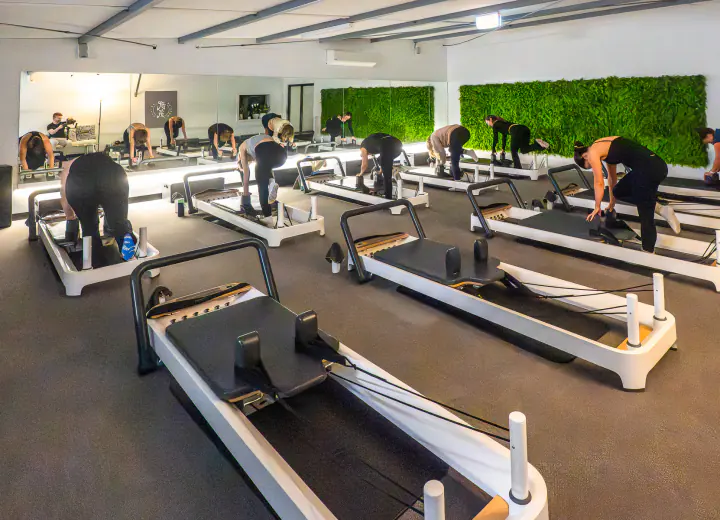
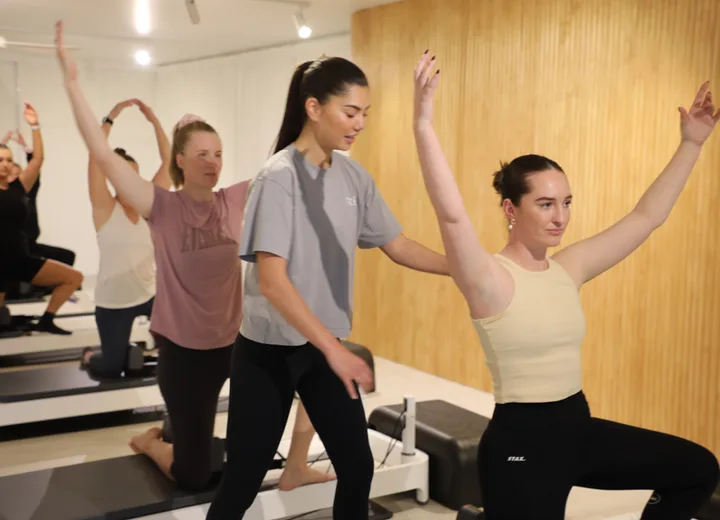
And there is the room itself. Our classes at Wollongong and Shellharbour are full of women training through exactly this stage, alongside members decades either side. Nobody is rebuilding alone at the back of a gym. It matters more than it sounds.
Starting safely in midlife
If you are new to resistance training, or returning after years away, the path in is reassuringly gentle. Start with Control classes, where the pace is slow and the coaching is closest. Note anything relevant on your enrolment form, including a low bone density diagnosis if you have one, so your instructor can adjust the small number of movements that deserve caution. Progress will be steady and real: strength changes arrive within weeks, and the deeper adaptations compound over months of consistent twice or three times weekly training.
Most members in their fifties, sixties and beyond are not doing a special fragile version of Pilates. They are doing Pilates, at their settings, getting stronger, which is the whole point of a method built on adjustability.
The best time to start is mid sentence
If the muscle and bone conversation has reached you, treat it as the useful alarm it is, and answer it with training rather than worry. Talk to your GP, then book a Control class through our timetable.
The 21 day trial covers three weeks of unlimited classes at both studios for $65. Decades of strength are built from exactly such small beginnings, and we would be honoured to help you build yours.