


Benefits of Pilates · 15 October 2026 · 4 min read
Pilates for better sleep and a calmer nervous system
The link between focused movement, breath and switching off at night.

Of all the things members report back to us, one keeps arriving with a tone of genuine surprise: the sleep. People join for strength or posture or a stubborn back, and a month later they mention, almost puzzled, that they are falling asleep faster and waking less. They came for the core work. The nights improved on their own.
It is not a coincidence, and the mechanisms are worth understanding, because sleep might be the most underrated benefit the method offers. A quick note first: persistent insomnia and suspected sleep disorders deserve a GP's attention. What follows is about the ordinary, miserable, modern kind of bad sleep, the wired and tired kind.
Why exercise helps sleep at all
The broad evidence is unambiguous: people who exercise regularly fall asleep faster, sleep deeper and wake less than people who do not. Several mechanisms stack up. Physical work creates genuine tiredness, the kind a day of emails never produces. Exercise steadies the daily rhythm of temperature and hormones that sleep runs on. And it burns off the stress chemistry that otherwise keeps the system idling high at midnight.
Any consistent movement earns these benefits, walking included. But Pilates brings a few extras to the table that make it a particularly good sleep investment.
The nervous system angle
Your autonomic nervous system runs on two settings: the alert, mobilised one, and the rest and digest one. Modern life leans hard on the first. Deadlines, phones, traffic on the M1, news. Many of us spend whole weeks slightly braced, and a braced system does not want to sleep. It wants to scroll and monitor.
This is where a Pilates class does something a spin class does not. The method is built around slow, deliberate breath, and long exhales are one of the few manual levers humans have on their own nervous system. They stimulate the calming branch directly. A class threads hundreds of controlled exhales through 45 minutes of focused movement, which amounts to a nervous system training session running quietly underneath the physical one. The technique itself is simple enough to learn, and we teach it from day one, as covered in how to breathe in a Pilates class.
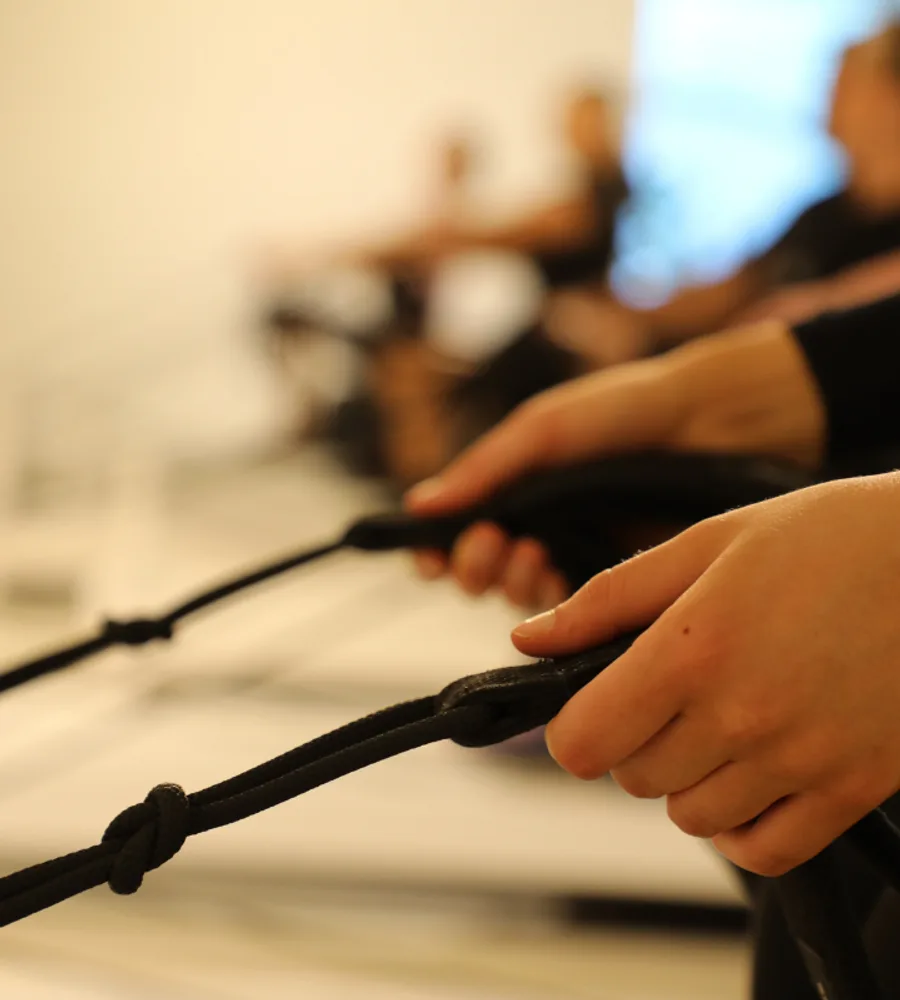
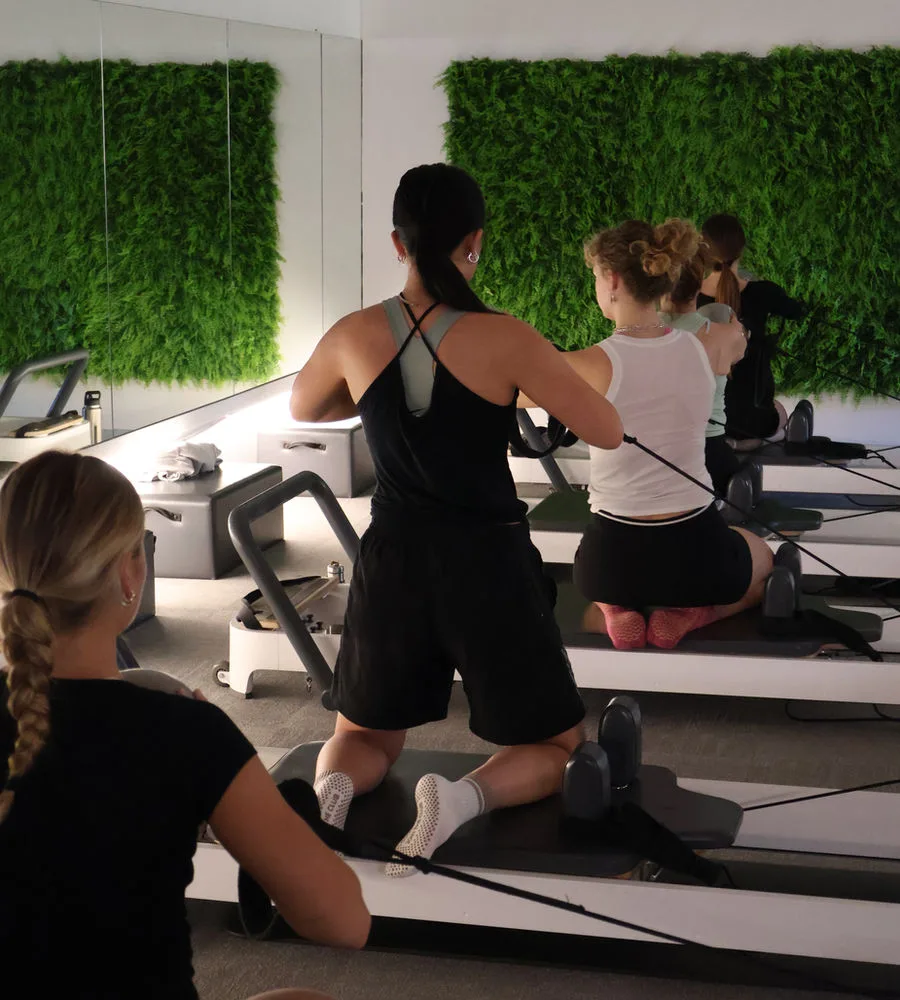
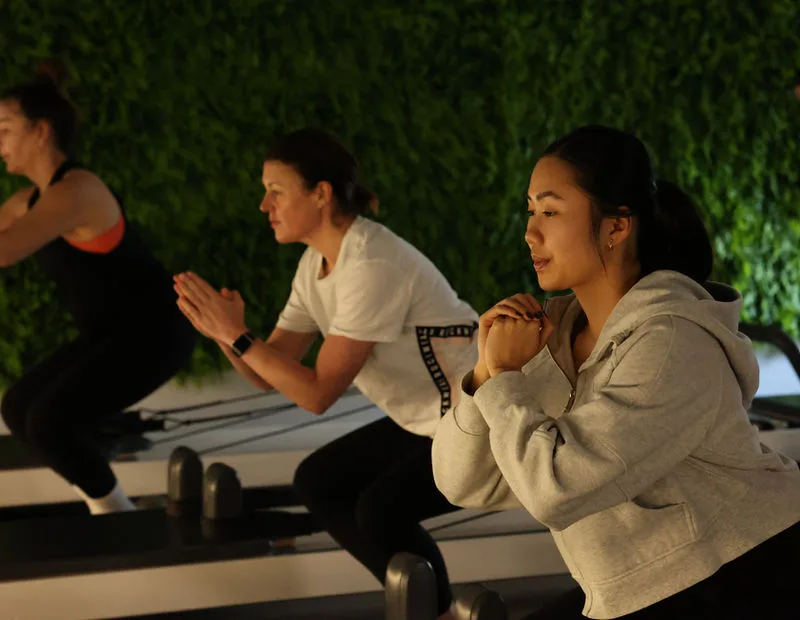
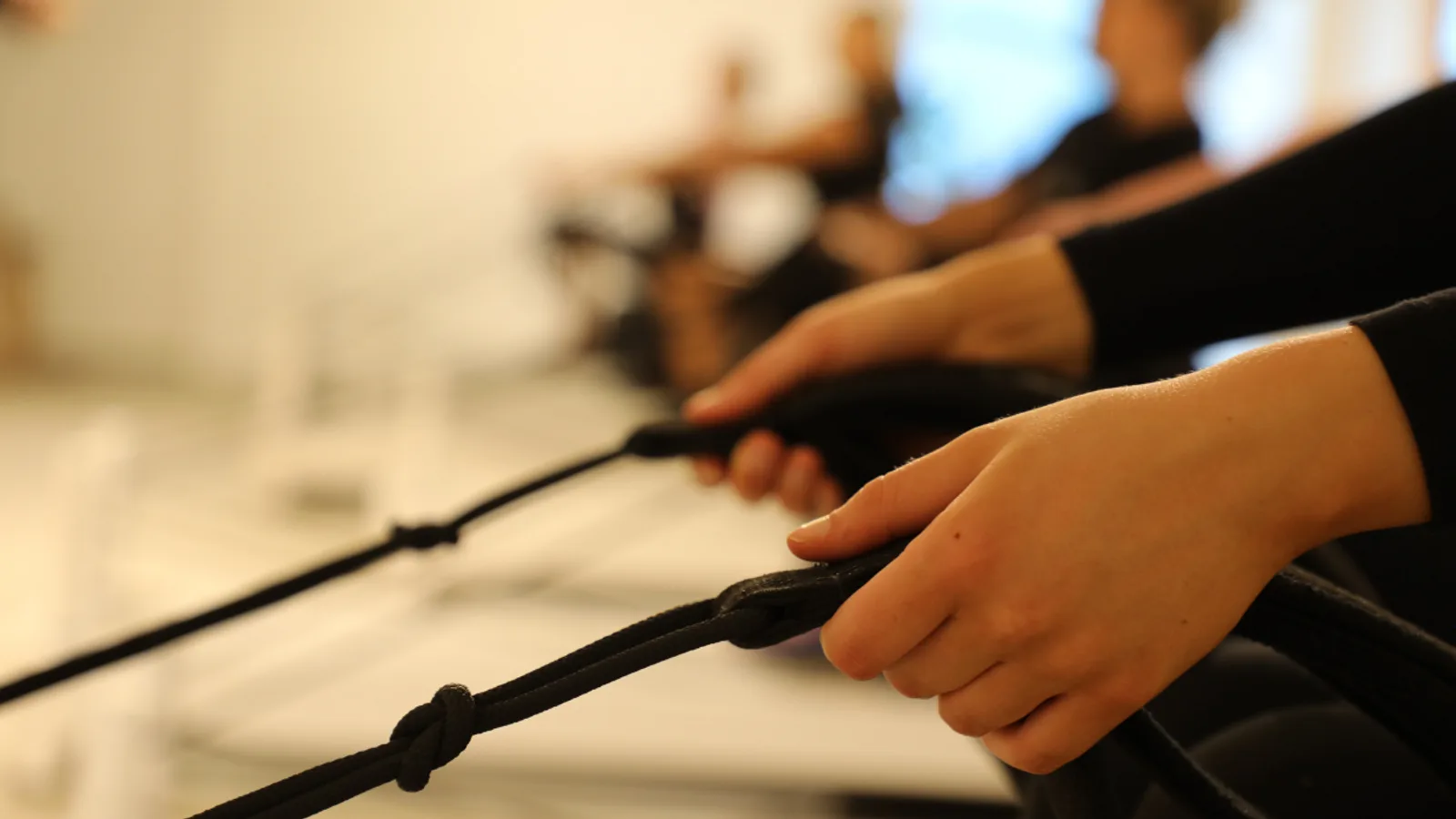
Then there is the attention piece. A Reformer class is involving: springs, positions, cues, balance. There is no spare bandwidth for the mortgage or the inbox, and members consistently describe class as the only truly phoneless, thoughtless hour of their week. That hour functions like a circuit breaker. The evening after class starts from a lower level of wind up, and sleep comes easier from a lower start.
The body comfort dividend
Some bad sleep is not mental at all. It is the shoulder that aches when you lie on it, the lower back that cannot find a position, the restless tight hips. Physical discomfort fragments sleep, and people tolerate years of it as normal.
Pilates chips away at exactly this inventory. Strength work settles the back, as members with long standing complaints describe in our back pain article. Mobility work releases the hips and shoulders that were making mattresses feel like accusations. It is unglamorous cause and effect: bodies that move well during the day lie more comfortably at night.
Timing your classes for sleep
A practical question worth answering: when should you train if sleep is a priority?
Morning classes, like our 5:45am sessions, are quietly excellent for sleep. Early activity anchors your body clock, and the earlier tiredness arrives honestly by evening. Early risers on our timetable are disproportionately good sleepers, though we admit the causation runs both ways.
Evening classes are fine for almost everyone too. The old warning about exercise before bed has softened considerably in the research, and a 6pm Reformer class followed by dinner winds most people down beautifully. The exception is high intensity work within an hour or so of bed, which can leave some people revved. If that is you, keep Tempo and Jump for earlier slots and let Stretch or Yoga own the late ones. A Stretch class in the evening, long holds and slow breath, is about the closest thing to a sleeping pill our timetable offers.
Stacking the rest of the deck
Pilates is a strong card, not the whole hand. The boring fundamentals still run the show: consistent wake times, morning daylight, a wind down hour without screens if you can manage it, caffeine curfew mid afternoon, and the recovery rhythm that stops training itself from becoming a stressor. Classes make each of these easier, mostly by making you the kind of tired that cooperates.
Give it a few weeks of two to three classes before judging results. Nervous systems change on roughly the same schedule as muscles: noticeably, but not overnight.
Tired of being tired
If your sleep has been thin and your evenings wired, the fix might not live in another app or supplement. It might be 45 minutes on a Reformer, a few times a week, teaching your whole system how to downshift.
The 21 day trial gives you unlimited classes at Wollongong and Shellharbour for $65, which is exactly the length of experiment this deserves. Book a class, breathe like we show you, and see what the third week of nights looks like. Members keep being surprised. We suspect you will be too.