




Benefits of Pilates · 28 September 2026 · 5 min read
Pilates and lower back pain: what the research says
Why controlled movement helps stiff and sore backs, and which classes to start with.
Lower back pain is the single most common reason people are told to try Pilates, usually by a physio, a GP or a friend who will not stop talking about it. It is worth asking whether that advice holds up, so here is what the research actually says, explained without the jargon, plus what it looks like in practice on the studio floor.
One thing before we start: this article is general information, not a diagnosis. If your back pain is severe, recent, or comes with symptoms like numbness or weakness in your legs, see your doctor or physio first. We are very happy to work alongside whatever they advise.
What the evidence says
Lower back pain has been studied to death, and the headline finding is consistent: for the most common kind, called non specific low back pain, staying active beats resting, and structured exercise beats general activity.
Within exercise research, Pilates has built a genuinely strong record. Reviews comparing exercise approaches for chronic low back pain regularly place Pilates among the most effective options for reducing pain and improving function, performing at least as well as other exercise types and better than doing nothing or usual care. The likely reasons will not surprise anyone who has taken a class: it trains the deep trunk muscles that support the spine, it grooves better movement patterns, and it does both at intensities almost anyone can tolerate.
The honest caveat is that no exercise method is magic. The research says movement, done consistently and progressed sensibly, is the medicine. Pilates is simply a very well designed delivery system for it.
Why backs like the Reformer
A sore back usually hates two things: sudden load and unsupported positions. The Reformer is unusually good at avoiding both.
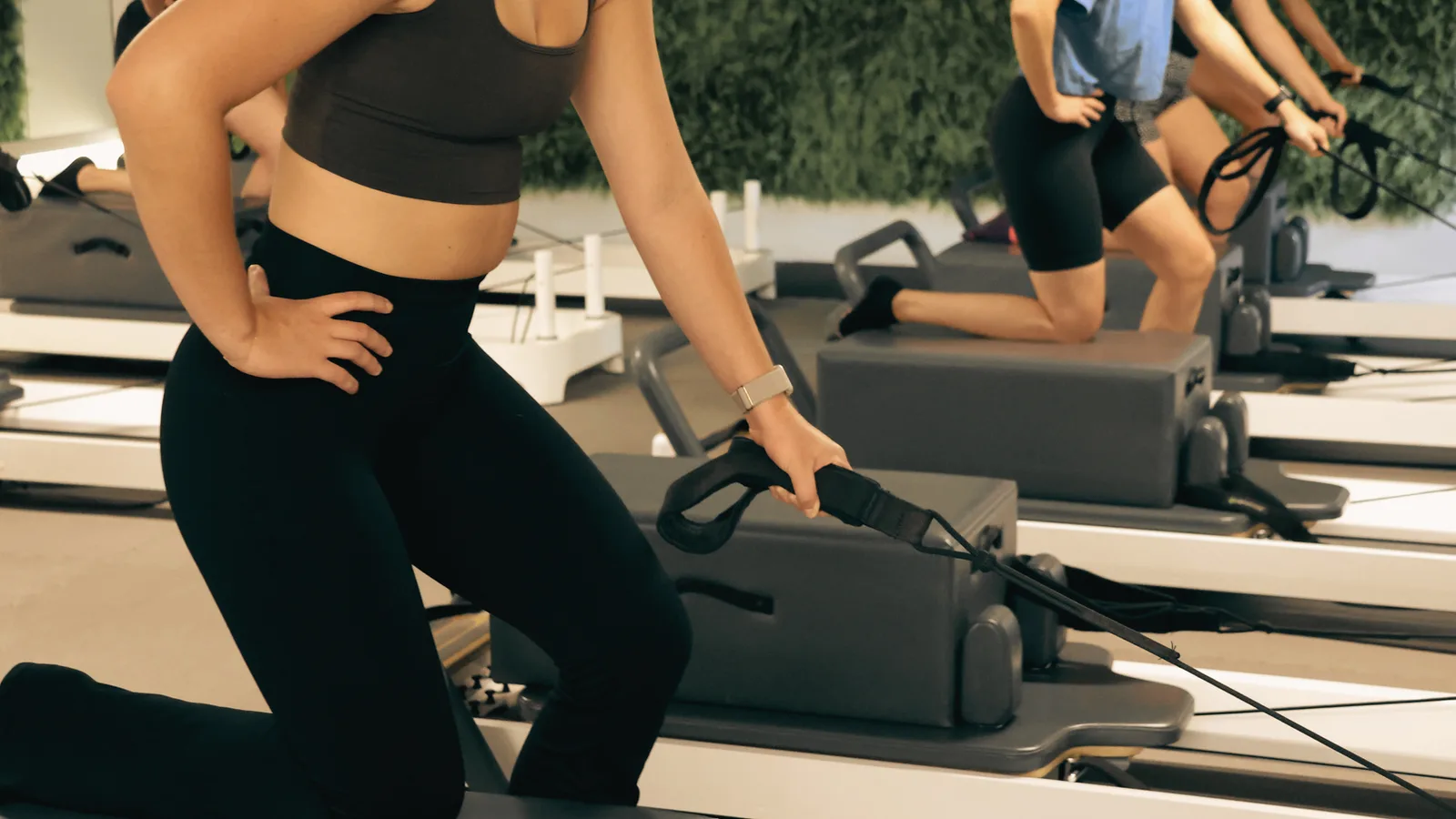
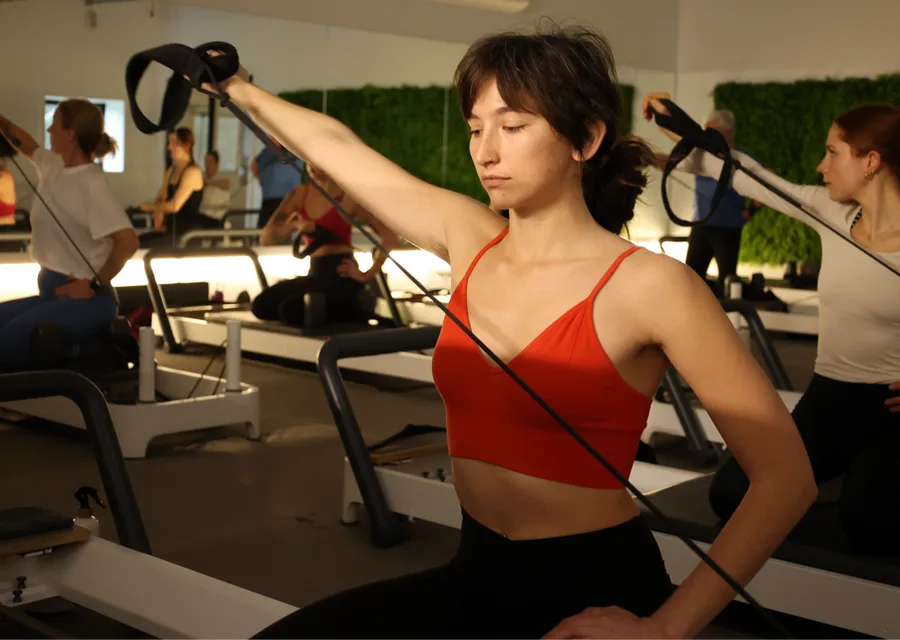
You spend much of the class lying down with your spine supported by the carriage, which lets you strengthen your trunk and legs without compressing a cranky back. The springs provide smooth, predictable resistance with no jarring, and the load adjusts in seconds, so a flare up week and a good week can both be trained appropriately.
Then there is the deep muscle story. Between your vertebrae sit small stabilising muscles that tend to switch off when a back has been painful. The slow, precise, breath led movement Pilates is famous for is close to an ideal recruitment drill for exactly those muscles. Add the wider core cylinder, which we unpack in what core strength actually means, and you are rebuilding the spine's support crew from the inside out.
The posture and habit dividend
Most everyday back pain is not caused by a dramatic injury. It accumulates, from eight hours of sitting, from lifting with a rounded back, from carrying everything on one favourite side.
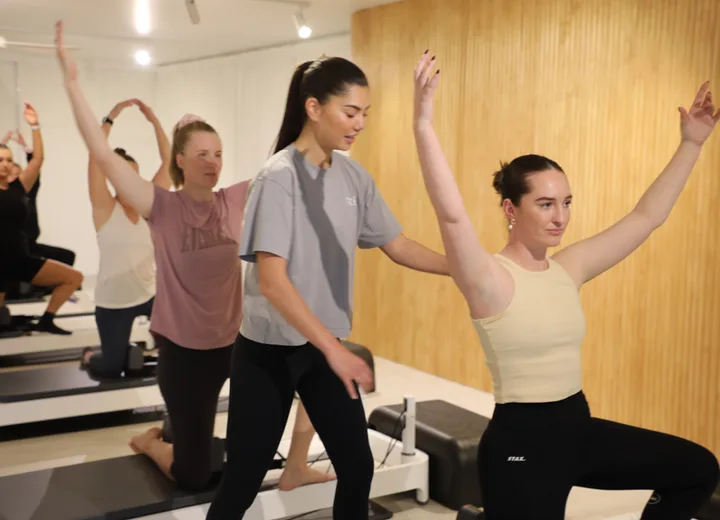
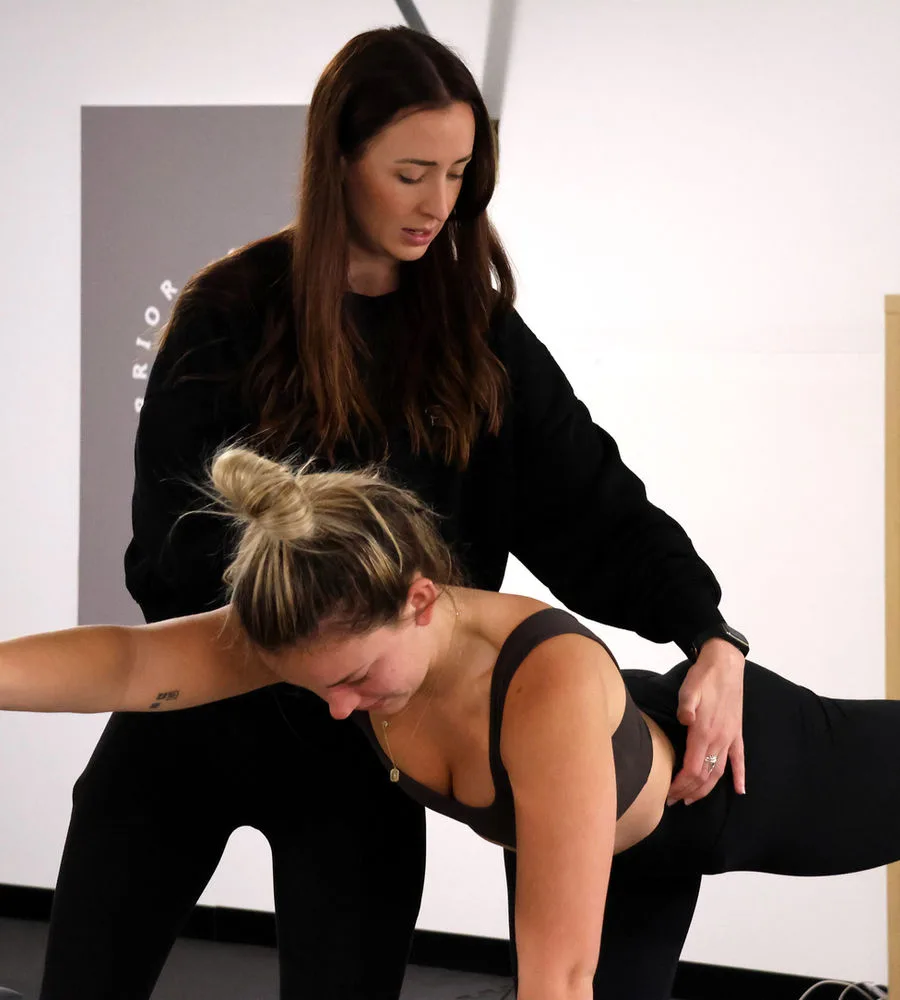
This is where a coached class earns its money. Your instructor is not only guiding you through exercises. They are teaching you to hinge at the hips instead of folding through your spine, to brace before you lift, to notice when you have collapsed into your lower back. Those habits follow you out the door, into the car, the office chair and the garden, which is where the real damage was being done all along. Desk workers, we wrote a guide specifically for you.
What it looks like at the studio
If you come to us with a history of back pain, a few things happen.
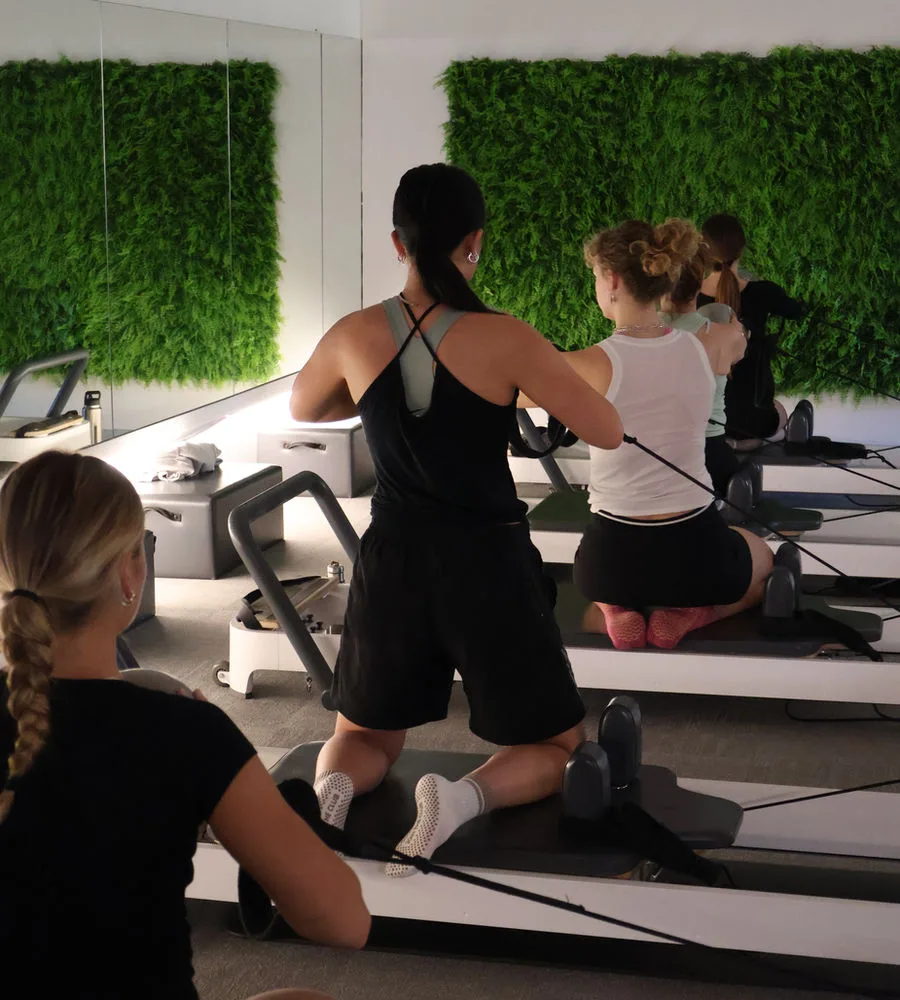
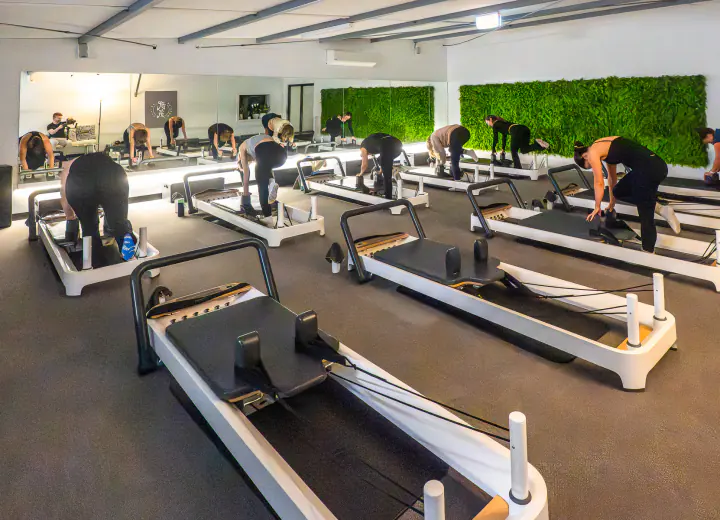
First, tell us. The enrolment form asks about injuries, and your instructor genuinely reads it. Classes at both Wollongong and Shellharbour are small enough that modifying an exercise for one person is completely normal, and nobody else notices or cares.
Second, start with Control. The slow pace suits a back that needs technique before intensity, and it gives your instructor room to watch how you move and adjust as you go. Our instructors are experienced with rehabilitating clients and work with them every week.
Third, progress on your body's schedule. A typical arc is a few weeks of Control while movement confidence returns, then Flow as strength builds, with Stretch classes mixed in to keep hips and thoracic spine mobile, since stiff neighbours often make the lower back do extra work. Some members eventually end up in Tempo and Jump classes. Plenty simply stay with a Control and Flow mix for years, feeling great.
What members report
We are careful about promises, because backs are personal and progress is not linear. What we can share is a pattern we see over and over: people arrive moving cautiously, guarding every bend, and some months later they are lifting the carriage springs without thinking about it, then mentioning offhand that the long drive to Sydney did not hurt this time.
The research would call that improved function and reduced fear avoidance. Our members usually call it getting their life back.
Sensible ground rules
- Get cleared first if your pain is new, severe or radiating. Then bring the advice to us.
- Consistency beats heroics. Two or three calm sessions a week outperform one brutal one.
- Some muscle soreness is normal. Sharp pain is not. Tell your instructor straight away and they will adjust the exercise.
- Keep moving between classes. Walking is a back's best friend, and the Illawarra is not short of good places to do it.
The first step
If your back has been nagging at you for months and your only strategy so far has been hoping, structured movement is the most evidence backed thing you can add. Book a Control class through our timetable, tell us about your back when you enrol, and let us take it from there, carefully.
The 21 day trial covers unlimited classes at both studios for $65, which is three weeks of consistent, supervised movement. That happens to be about the timeframe where many people with a grumpy back first notice the volume turning down.