




Moving Well · 10 October 2026 · 4 min read
Jumpboard basics: cardio without the impact
How Jump classes raise your heart rate while your joints stay happy.
There is a moment in every member's first Jump class, usually about four minutes in, when they realise they are jumping, properly jumping, while lying flat on their back, and grinning about it. Jump classes are the closest thing our timetable has to a party, and they solve a problem that sidelines a lot of people: how to get real cardio when your joints have opinions about impact.
Here is how the Jumpboard works, what a class actually involves, and why this crowd pleaser earns its place in a serious training week.
The setup
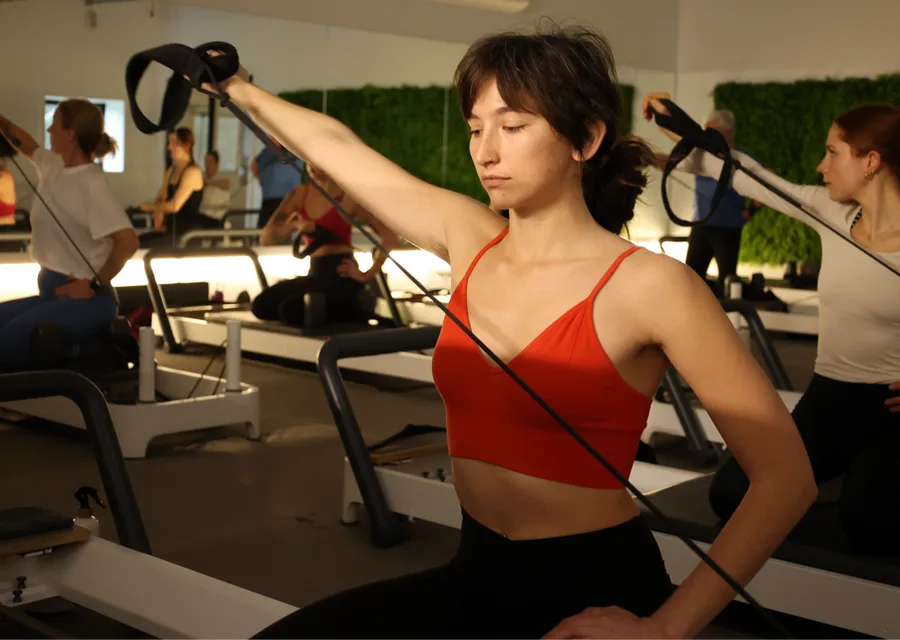
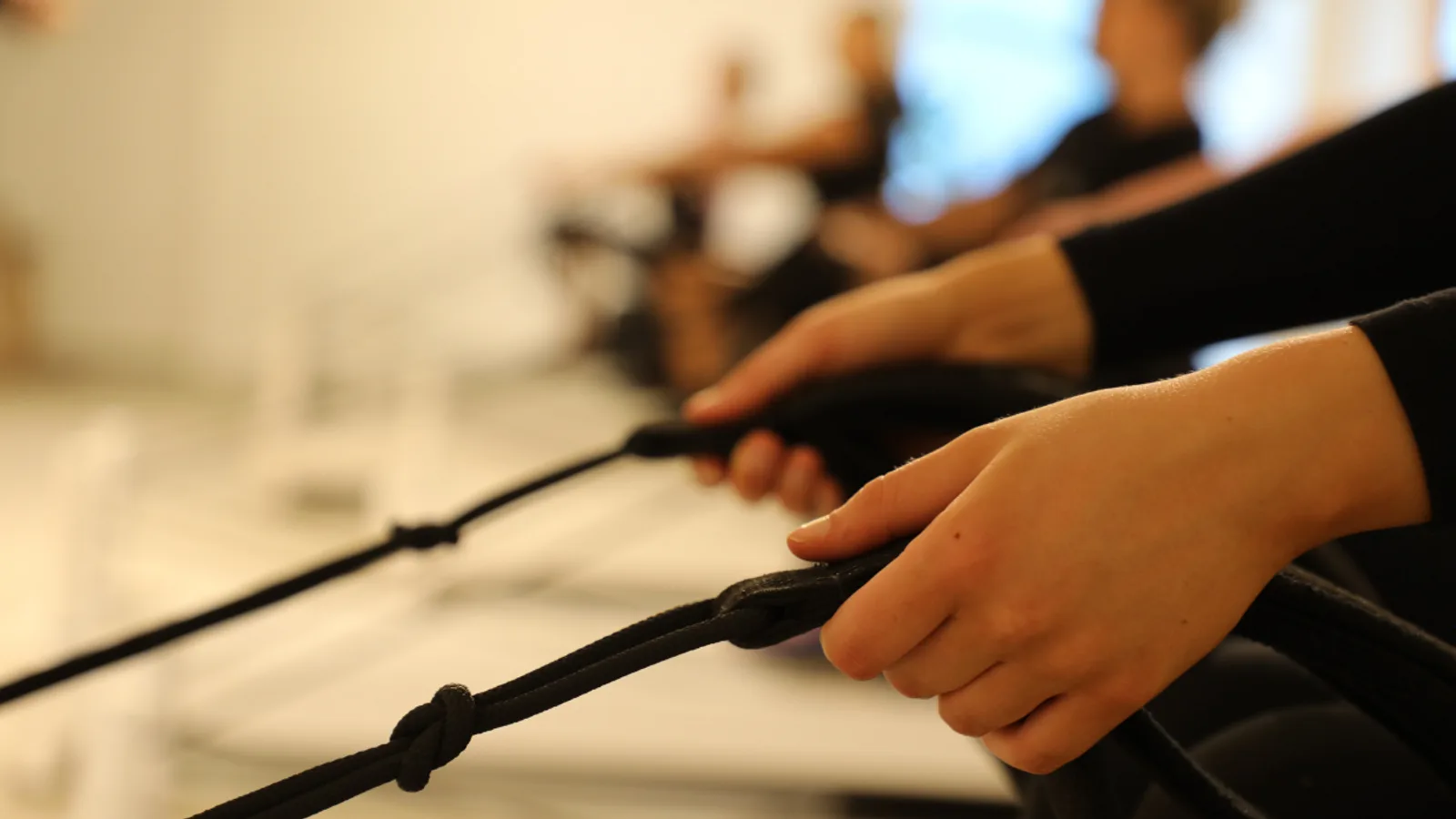
A Jumpboard is a flat padded platform that clips onto the end of the Reformer where the footbar normally sits. You lie on the carriage as usual, place your feet on the board, and push off. The carriage glides back, the springs slow you, then return you to the board for the next takeoff.
You are, in effect, jumping horizontally. All the explosive leg work of jumping is there, the push off, the flight, the landing, the rhythm. What is missing is the part that makes jumping rough on bodies: your full body weight crashing into the ground, dozens of times a minute.
The impact arithmetic
Land from a normal jump and your joints absorb forces of several times your body weight, through ankles, knees, hips and spine. Healthy, conditioned bodies handle this fine, and some impact is genuinely good for bones. Do it for thirty straight minutes, though, and the tally climbs fast, which is why high impact cardio classes leak participants to sore knees and shin splints.
On the Jumpboard, the springs do the absorbing. Your landing is cushioned by the same mechanism that resists your push off, and the load is whatever the spring setting says, which your instructor adjusts per person. The result is jump training at a small fraction of the joint cost, gentle enough for members rebuilding from injury, spicy enough to leave anyone's legs humming.
Because you are horizontal with your spine supported on the carriage, your back is having an easy day even while your heart rate climbs. It is the rare cardio format a physio smiles about.
What a class feels like
Do not mistake gentle on joints for gentle. A Jump class moves.
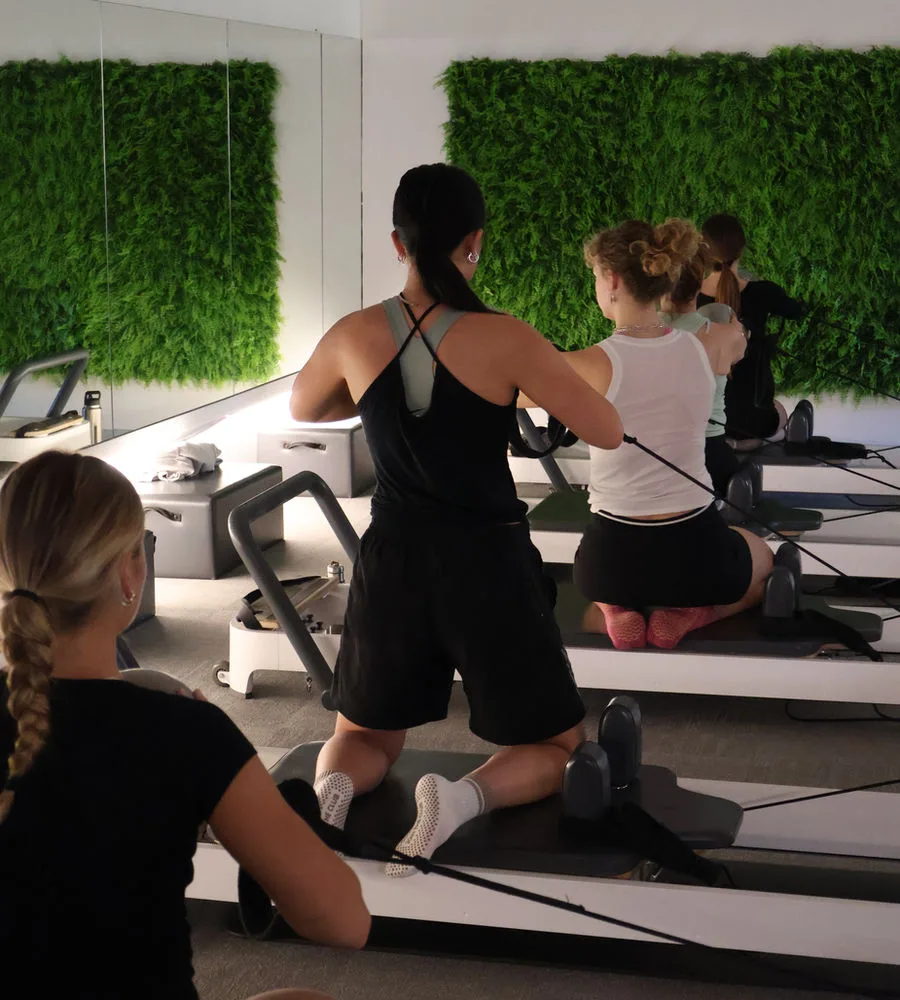
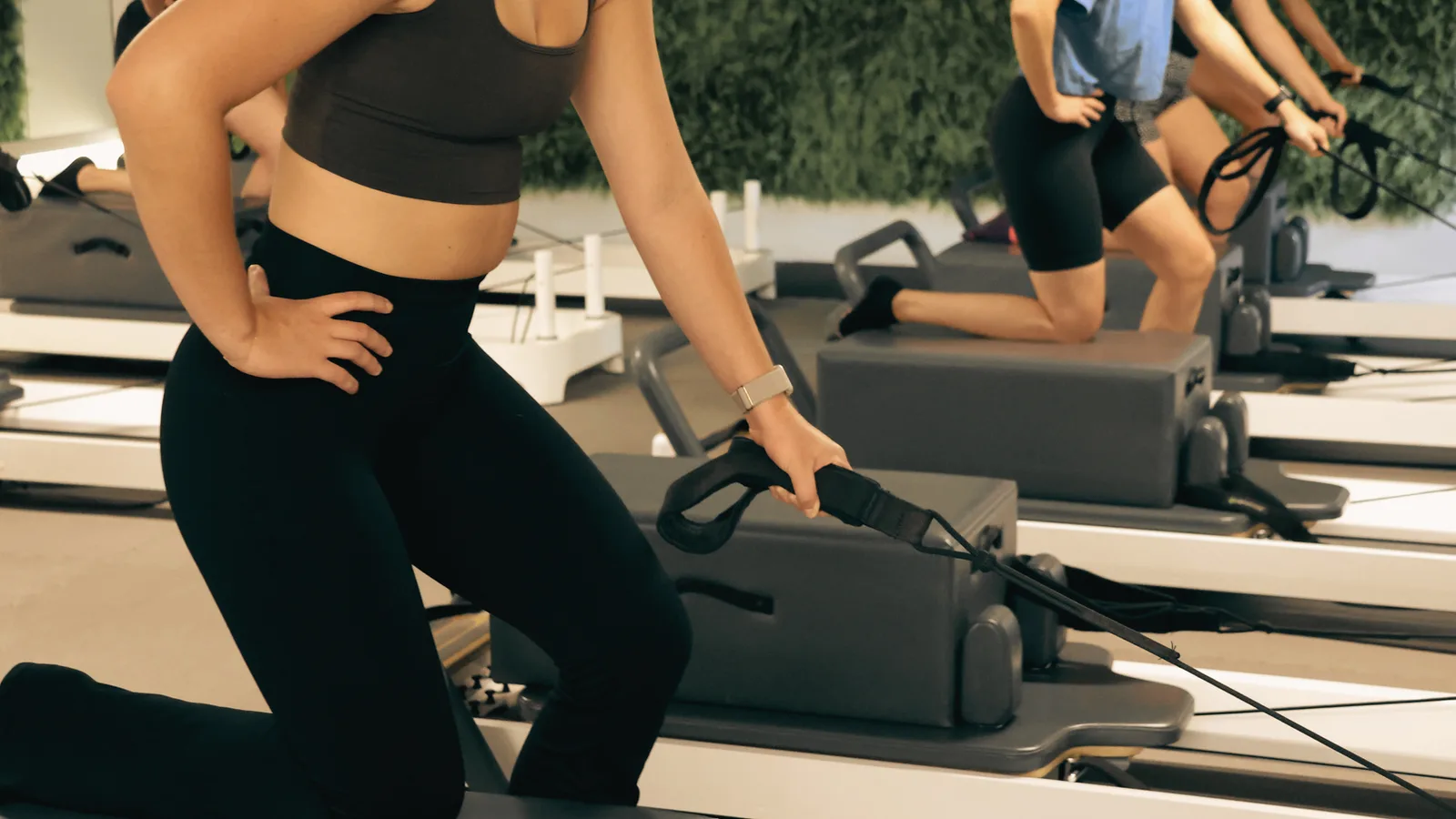
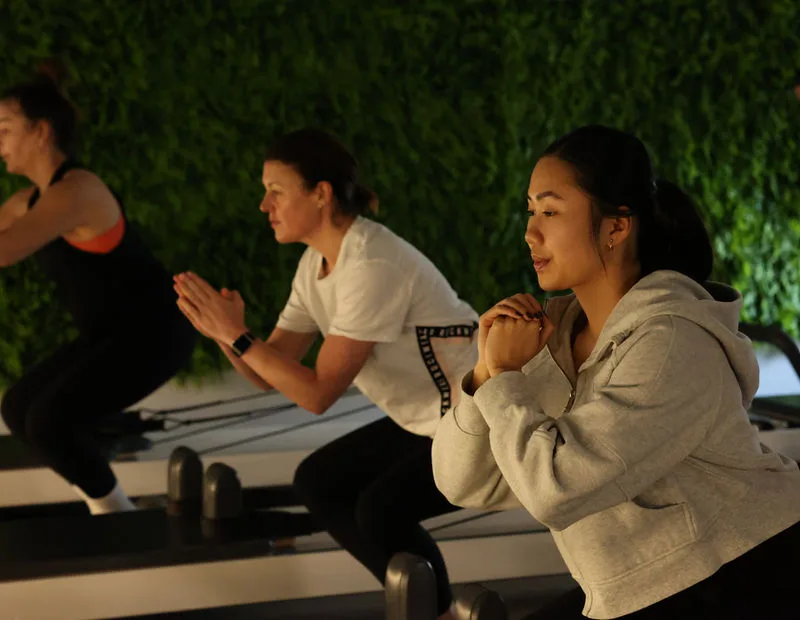
Expect intervals of jumping, in changing patterns: both feet, single leg, wide, narrow, quick little pulses, big floating leaps where the springs give you genuine hang time. Between jump blocks, the class flows through regular Reformer work, abdominals, arms and legs, which keeps your heart rate elevated while your calves negotiate a truce.
The coordination element sneaks up on you pleasantly. Jumping patterns demand timing and rhythm, and there is a genuinely playful quality to chasing them that most exercise has forgotten. Members consistently describe Jump as the class where the 45 minutes disappears fastest. The classic post class comment is some version of "that was so fun, why are my legs jelly".
Cardio wise, expect the real thing: elevated heart rate, honest breathing, the pleasant buzz afterwards. Regular Jump attendance improves conditioning the way any interval training does, with the recovery bill of a swim.
Who it suits
Jump classes are open to all levels, and the spring adjustability makes that genuinely true. That said, a few groups get particular value.
Runners use Jump to add leg power and foot speed without stacking more impact onto already loaded legs, and we look deeper at that crossover in why athletes are adding Reformer Pilates to their training.
People with cranky knees, ankles or hips, or anyone carrying extra weight who finds ground based cardio uncomfortable, get access to jump training that ground rules out. The springs meet you exactly where your joints are today.
Bored cardio people, the ones who have quit the treadmill four times, tend to convert instantly. It is very hard to be bored while airborne.
And anyone whose week is heavy on slow, precise work finds Jump the perfect complement. Control and Flow build the technique, Jump lets it off the leash, and the pairing makes both better, in the spirit of the balanced week we sketch in how often should you do Pilates.
Before your first Jump
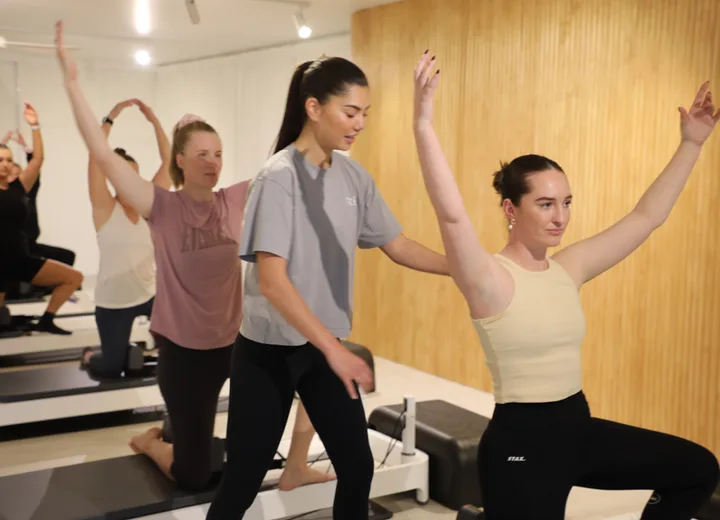
A couple of practical notes. If you are brand new to the Reformer, take a Control class or two first, purely so the machine and the basic positions feel familiar before things get bouncy. Tell your instructor about any foot, ankle or knee history, and they will set your springs and patterns accordingly. Grip socks as always, and maybe skip the huge pre class meal. Your future airborne self will thank you.
Expect your calves to send a memo the next day. It is a friendly memo.
Cleared for takeoff
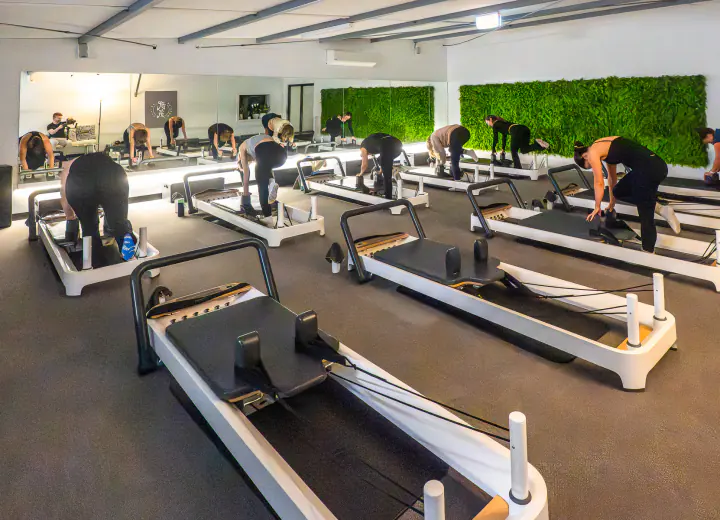
Jump classes run through the week at both our Wollongong and Shellharbour studios, and they book out quicker than most, which tells you something. If your cardio has been stuck in a rut, or your joints have been vetoing the high impact options, this is the loophole.
The 21 day trial covers Jump along with every other class style, unlimited for three weeks at $65. Book through the timetable, and come find out why the flying class is the one everyone grins through.