



Health & Wellbeing · 4 November 2026 · 5 min read
Staying hydrated as the weather warms up
How much fluid adults need, why warmer months change the picture, and simple habits for drinking enough around your classes.
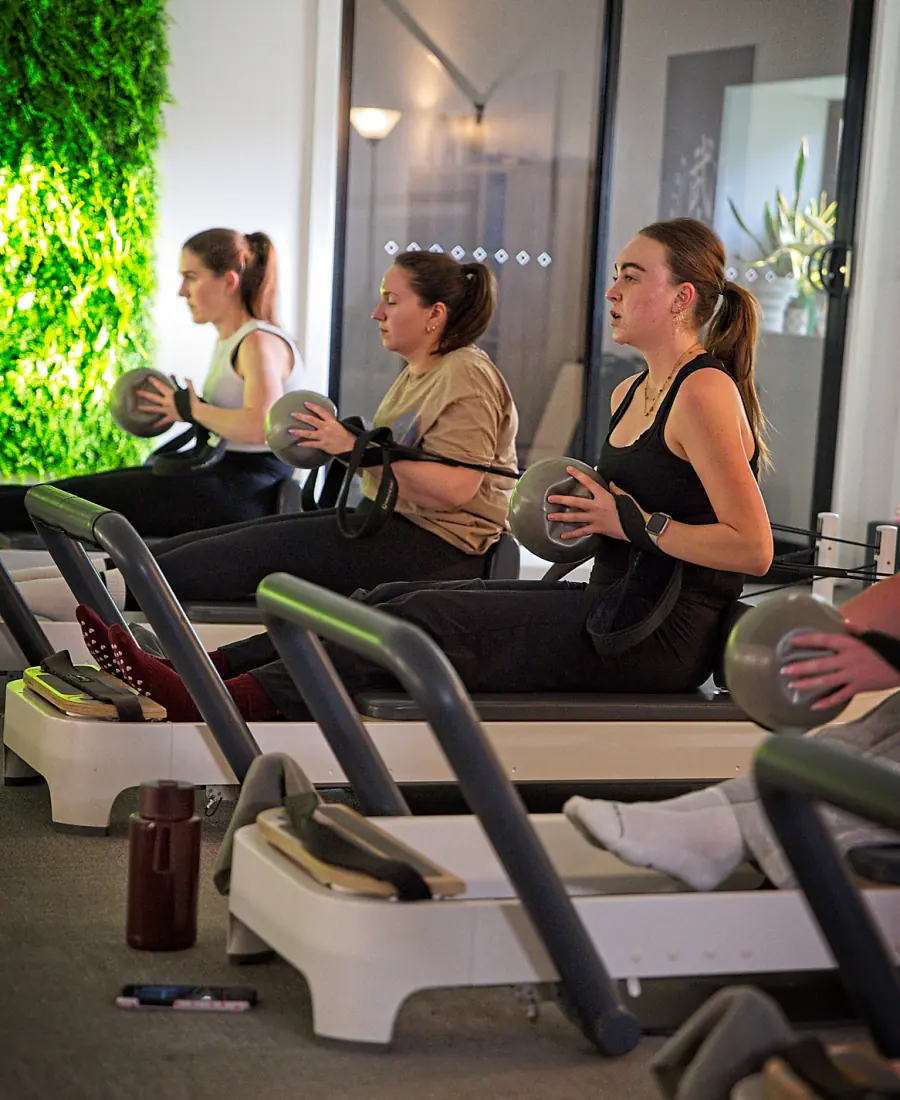
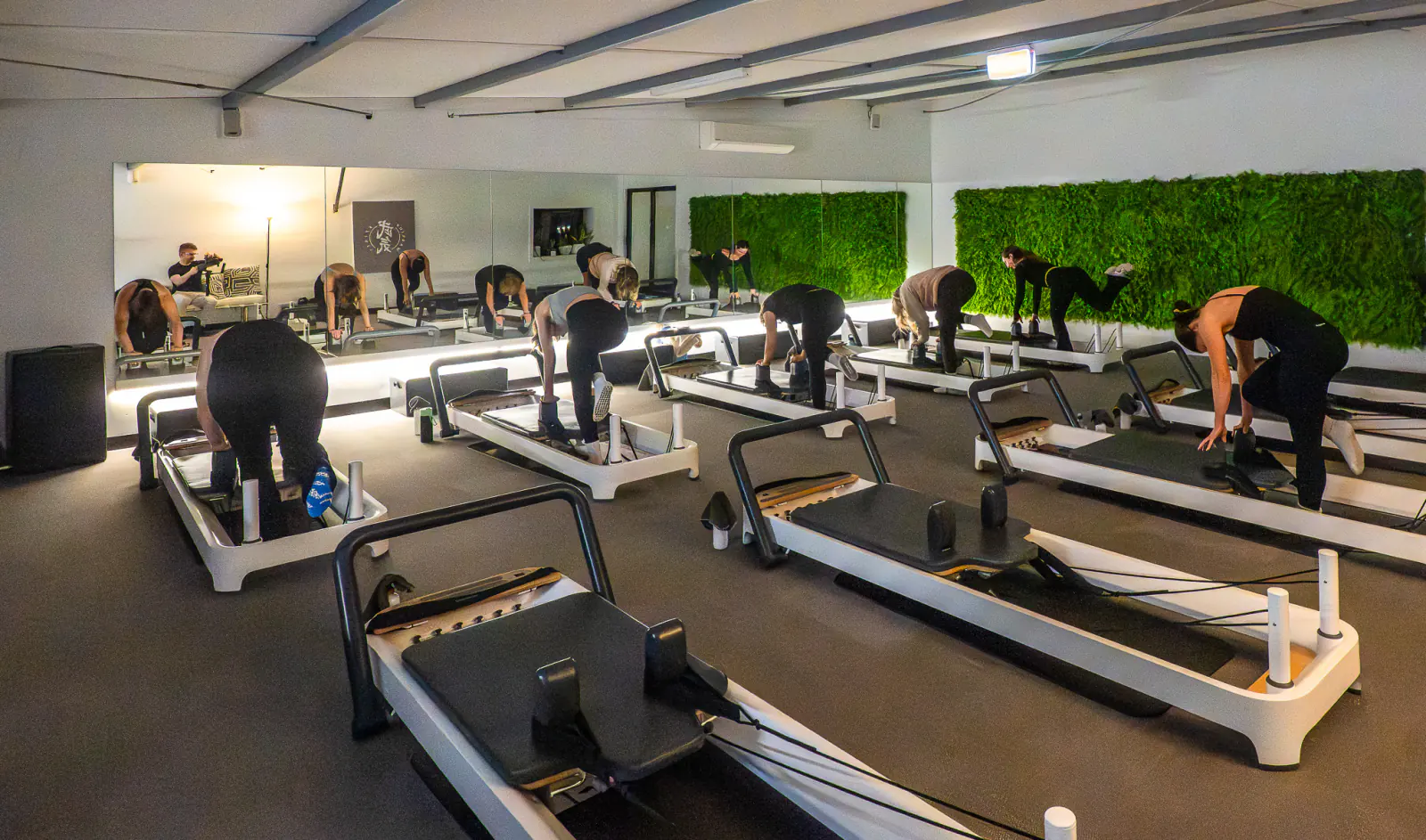
As spring turns towards summer in the Illawarra, evening classes feel a little sweatier and more people reach for their drink bottle halfway through Flow. It is a good time of year to think about hydration, because the habits that worked in July may not be enough in December.
Hydration advice is full of myths and very specific rules, most of which do not hold up. This article sticks to what the Australian guidance says and how heat changes your needs. It finishes with simple habits that make it easy to drink enough without overthinking it.
How much fluid adults need
In Australia, the reference figures come from the National Health and Medical Research Council's Nutrient Reference Values. They set an adequate intake for adults of about 2.6 litres of fluids a day for men (about 10 cups) and about 2.1 litres a day for women (about 8 cups). Those fluids include plain water along with milk and other drinks.
The NHMRC also gives figures for total water, which includes the water in food. That is about 3.4 litres a day for men and 2.8 litres for women. Fruit and vegetables contribute more than people realise. Soups and yoghurt add to the total as well.
These figures are a guide, and the NHMRC is clear about that. Needs vary widely with the weather and with how active you are. A tall, active person training in summer may need noticeably more. Someone smaller, in a cool office, may need less.
Why warm weather changes the picture
Your body loses water through your breath and skin all day, even when you are not visibly sweating. The NHMRC notes that these losses go up at higher temperatures and lower humidity. Add exercise, and you lose more again.
That loss matters for how you feel and move. According to the NHMRC, dehydration of as little as 2% of body weight leads to impaired physiological responses and performance. You may notice it as a headache, feeling flat, getting tired earlier than usual, or finding it harder to concentrate on your instructor's cues.
Thirst is a useful signal, but it is not perfect. The NHMRC points out that thirst sensations tend to be weaker in older adults, which makes regular drinking habits more important as we age.
Before class
For a 45 or 50 minute class, there is no need to drink large amounts just before you start. A big bottle of water in the car on the way can leave you uncomfortable during exercises on your stomach or in a deep curl.
A better approach:
- Drink normally through the day, so you arrive already hydrated
- Have a glass of water in the hour or two before class
- If you train at 5:45am, a glass of water when you wake up is a good habit, since you have gone all night without a drink
If coffee is part of your morning, that is fine. Our article on eating around a 5:45am class covers some easy pre class options.
During class
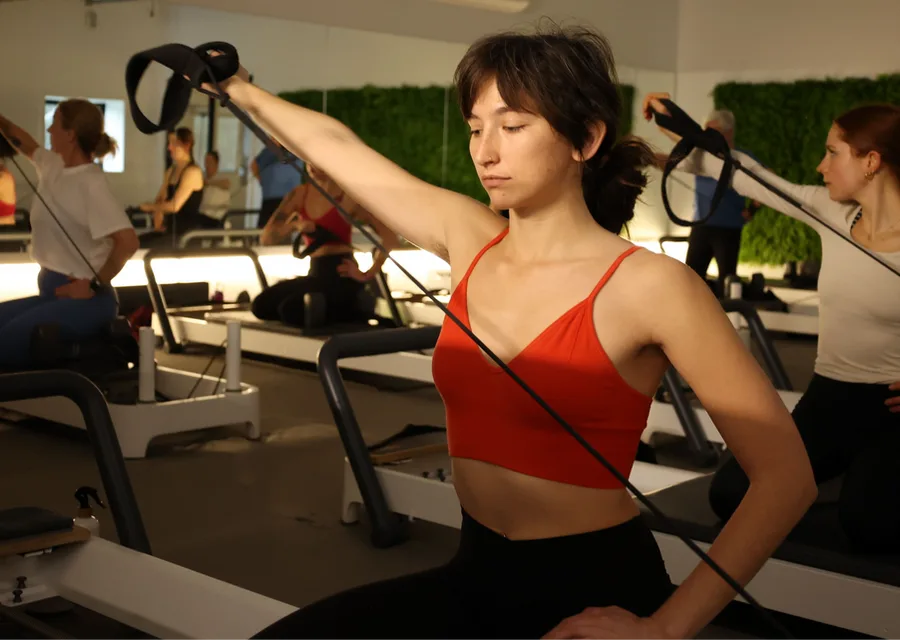
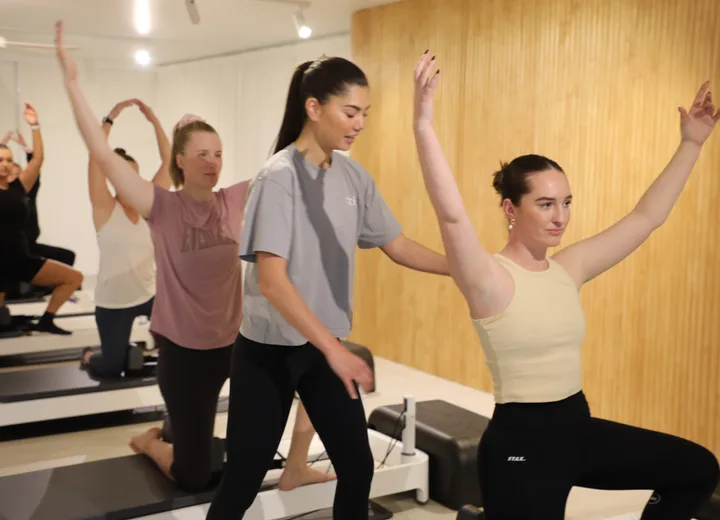
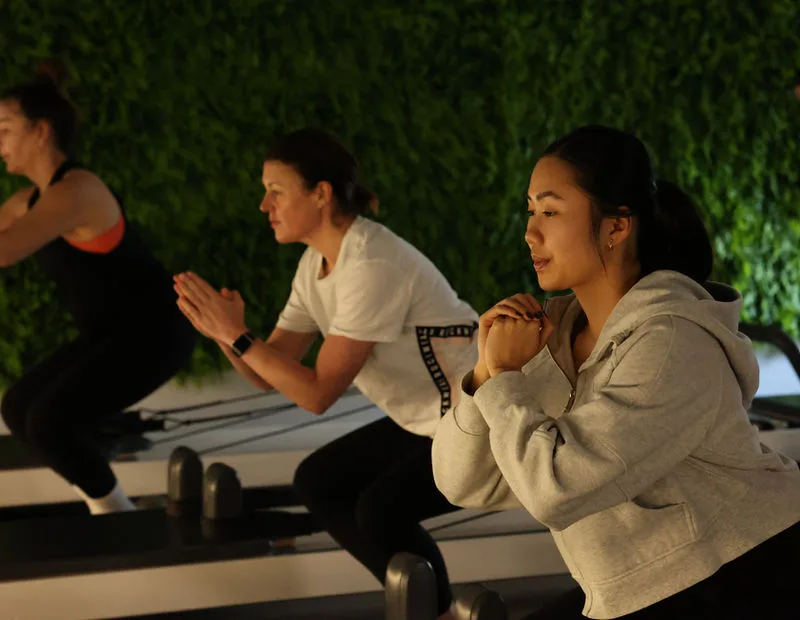
Bring your own drink bottle to every class. Our FAQs list it alongside comfortable exercise clothes and clean grip socks as the things to bring. Keep it within reach of your Reformer and take small sips during transitions. This matters most in Jump and Tempo classes, where your heart rate stays higher.
Water is plenty for most people in a class under an hour. Some people need more than water. Talk to your GP or an accredited sports dietitian if you regularly train for long sessions in the heat or sweat very heavily. The same goes for anyone with a medical condition that affects fluid or salt balance.
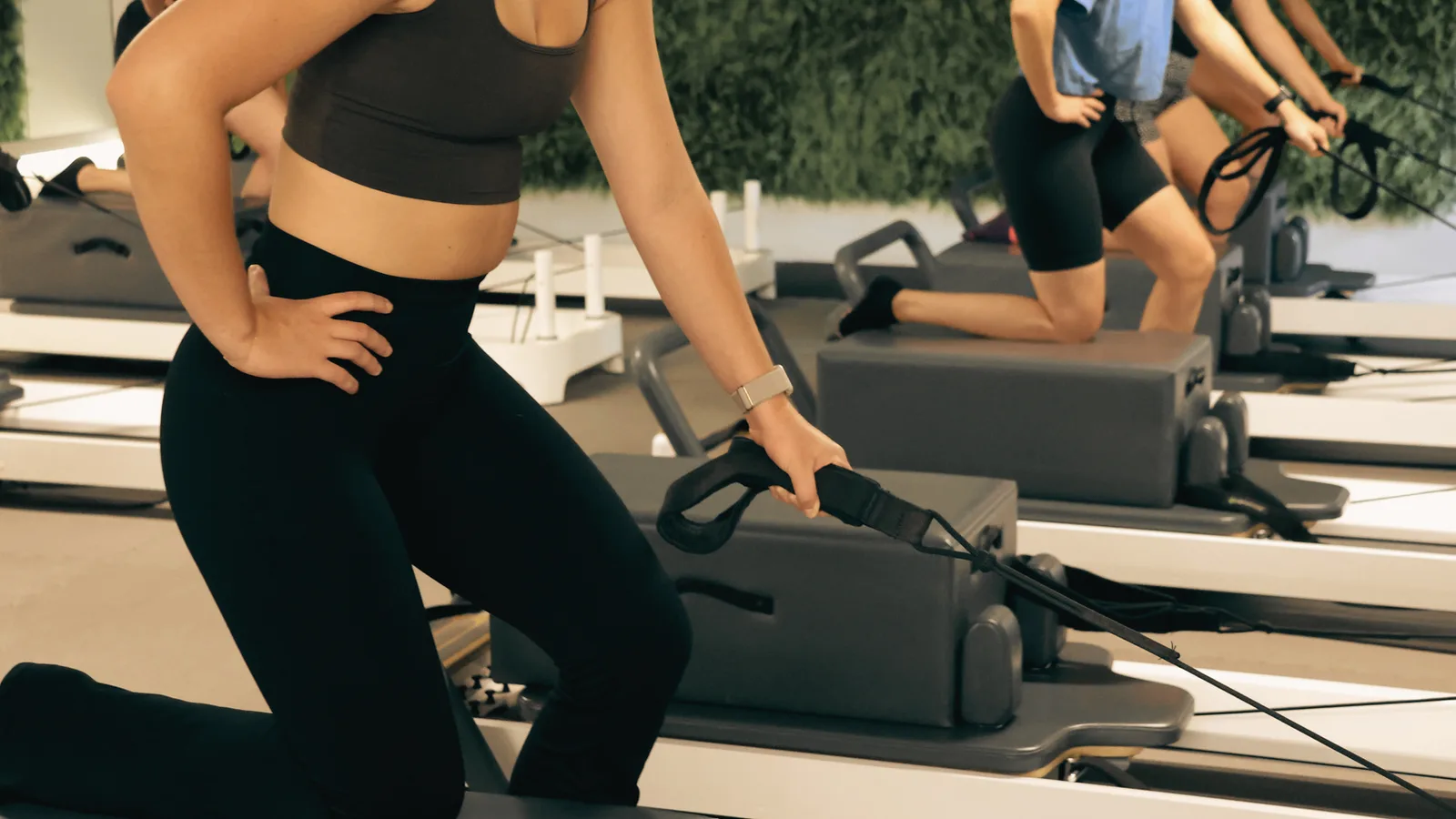
Sweaty hands are also part of training in warmer weather. A small towel helps you dry your hands before strap work and keeps your grip steady on the bar.
After class
Rehydrate over the next few hours with water and normal meals. You do not need to drink a litre straight after class. Spreading it out works better and is more comfortable.
Finishing a hot evening class feeling headachy or flat is often a sign to drink a bit more through the next day. If you do a lot of sweating in the morning and then sit in air conditioning all day, set yourself a simple reminder, such as refilling your bottle at morning tea and lunch.
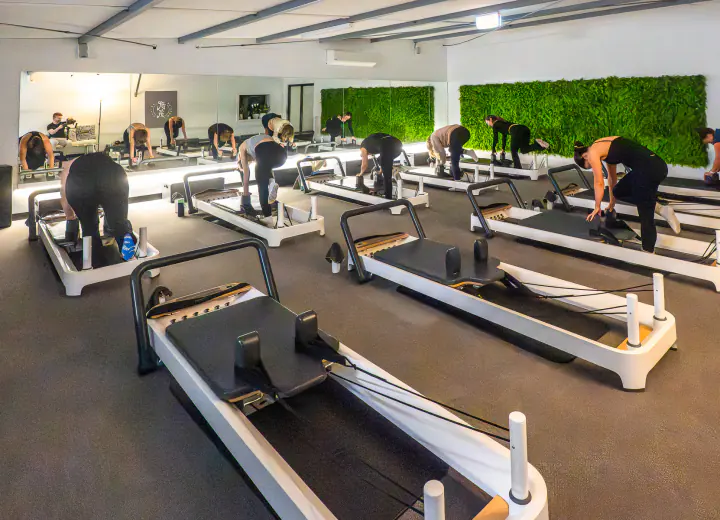
At our Wollongong studio, the onsite cafe makes it easy to grab a drink and a snack after training, and the showers mean you can cool down before you head to work.
Simple checks that work
You do not need an app or a special bottle with time markings. Two everyday checks tell you a lot:
- Colour. Pale, straw coloured urine generally means you are well hydrated. Darker yellow is a sign to drink more. Some vitamins and foods can change the colour, so use this as a rough guide.
- How you feel. Headaches, dry mouth, feeling dizzy when you stand and unusual tiredness can all point to needing more fluid.
It is also possible to overdo it. Forcing down very large amounts of water in a short time is not helpful and can be harmful. The sensible middle ground is drinking regularly through the day, to thirst and a little beyond when it is hot.
When to stop and sit down
Warm weather and exercise can occasionally cause more than mild dehydration. Stop straight away and tell your instructor if you feel dizzy or faint during a class. The same applies if you feel sick in the stomach or very hot. Sit down somewhere cool and sip some water. If symptoms do not settle quickly, seek medical help.
People with heart or kidney conditions should ask their GP for personal advice on hydration and exercise in the heat. That also applies to diabetes, and to anyone taking medication that affects fluid balance.
Small habits for the summer ahead
Hydration rarely needs to be complicated. Drink regularly through the day and bring your own bottle to every class. Sip during transitions, and nudge the amount up as the weather warms.
Early classes are one of the easiest ways to avoid training in the hottest part of the day. Our Wollongong and Shellharbour studios both open at 5:45am on weekdays. Have a look at the timetable and pack your drink bottle for your next class.