


Moving Well · 23 November 2026 · 6 min read
How to carry shopping bags and kids without hurting your back
December means more bags to carry and more kids on hips. Simple ways to carry loads well, and how Pilates builds the strength behind it.
The weeks before Christmas involve a lot of carrying. There are shopping bags to bring in from the car and boxes of decorations to get down from the cupboard, and toddlers always seem to want to be held in the busiest part of the shopping centre. Then summer arrives with eskies and beach umbrellas to haul across the sand.
Carrying is one of the most common things we do with our bodies, and one of the least trained. Most of the time we just grab the load and go. Small changes in how you hold and move with a load can make a real difference to how your back and shoulders feel at the end of a busy day. This guide covers the basics, and how Pilates builds the strength that makes carrying easier.
Why carrying can be hard on your body
When you hold something, your body has to stay upright and stable while the load tries to pull you out of position. A heavy bag in one hand tries to bend you sideways, while a box held away from your body pulls you forward. A child on one hip tends to draw you into a lean.
The muscles of your trunk and hips work to resist those pulls. If they are tired or not used to the job, other structures take more of the strain. That can show up as a sore lower back or aching shoulders by the time the shopping is unpacked.
The basics of carrying well
Keep the load close
The further a load is from your body, the harder your back has to work to hold it. Hold boxes against your chest, and carry a child close to your centre. Bags with long handles are easier to carry close if you hold them by your sides rather than out in front.
Split the load
Two bags of equal weight, one in each hand, are usually easier on your body than one heavy bag on one side. The weight balances out, and your trunk does not have to fight a sideways pull. If you have one heavy item and a few light ones, spread them so the weight is similar on each side.
Stand tall
Under load, it is tempting to slump or lean. Try to keep your ribs stacked over your pelvis and your head over your shoulders. Think of growing taller as you walk. This keeps the load travelling through your skeleton instead of hanging off your lower back.
Keep your shoulders down
When you carry bags, your shoulders tend to creep up towards your ears. Let your shoulder blades settle down your back, with your arms long. Put the bags down for a moment when your grip starts to give out, rather than hitching them up with your shoulders.
Breathe
People often hold their breath when they lift or carry something heavy. Keep breathing, with a slightly firmer exhale as you pick up the load. It helps your trunk muscles support you without building up pressure.
Turn with your feet
Twisting while holding a load puts extra strain on your back. When you need to change direction, such as moving bags from the boot to the bench, step your feet around instead of twisting from your waist.
Lifting the load in the first place
How you pick something up matters as much as how you carry it. Bend from your hips and knees to get down to the load, keep it close as you stand, and push through your legs. Anything too heavy or awkward is a job for two people, or for smaller loads. There is no prize for carrying all the shopping in one trip.
Carrying children
Kids are some of the trickiest loads. They wriggle and lean, and they are usually picked up in a hurry.
Swap sides. Most parents have a favourite hip. Swapping sides regularly helps share the load between both sides of your body.
Avoid jutting your hip out. It is common to push one hip sideways and rest the child on it. That puts you in a long lean that can leave your back sore. Instead, hold the child closer to your centre, with your weight evenly over both feet.
Use a carrier for longer distances. A well-fitted carrier spreads the weight across both shoulders and your hips. Follow the manufacturer's fitting instructions carefully.
Lift the car seat carefully. Baby capsules are heavy and awkward. Get as close to the car as you can and bend your knees. Avoid twisting while reaching into the back seat.
If you are a new parent, your body is still recovering, and carrying a baby adds new demands. Your GP or women's health physio can give you specific advice about what your body is ready for.
Beach gear and summer loads
Eskies and umbrellas are awkward to carry, especially across the sand. A trolley or wagon is worth it if you make regular beach trips. If you are carrying by hand, share the load between two people, or between two hands. Hold the esky by both handles in front of you if it has them, close to your body, instead of swinging it from one hand. Make more than one trip if you need to.
How Pilates helps you carry
Carrying well needs a strong trunk and shoulders that can stay down under load. Pilates trains both.
Trunk strength. Pilates trains the deep abdominal muscles to support your spine while your arms and legs move. That is exactly what you need when you are walking with a bag in each hand.
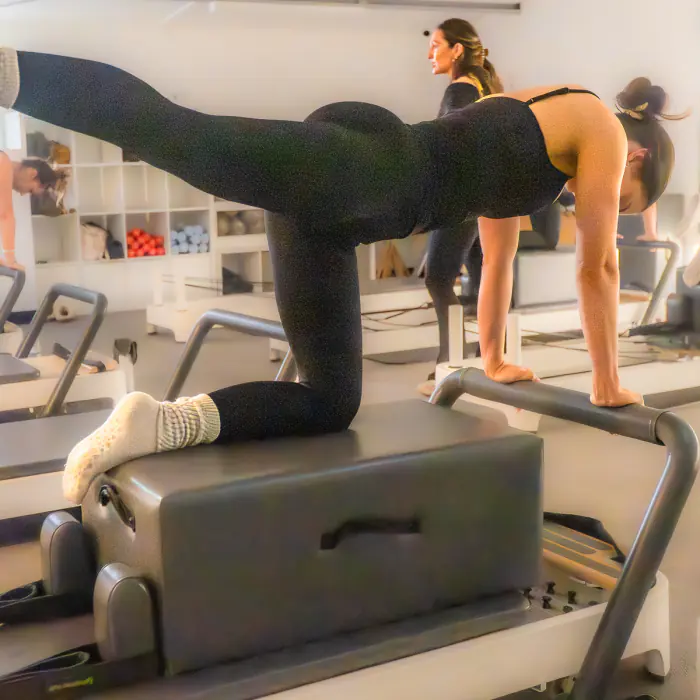
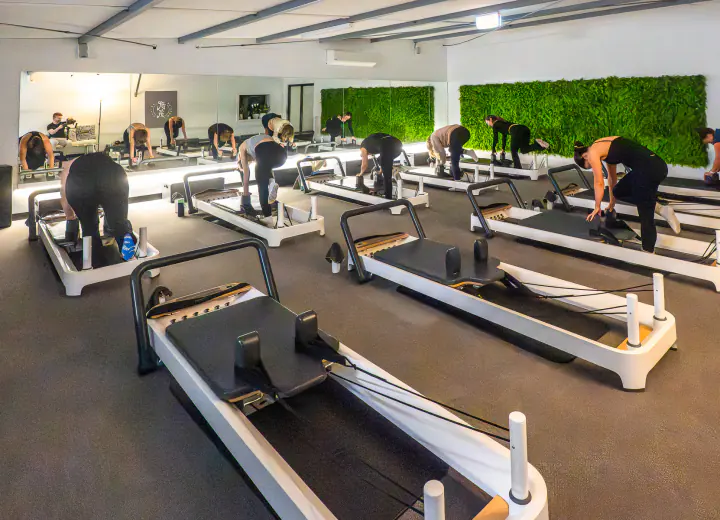
Side body control. Side-lying work and side planks on the Reformer train the muscles that stop you bending sideways under a one-sided load.
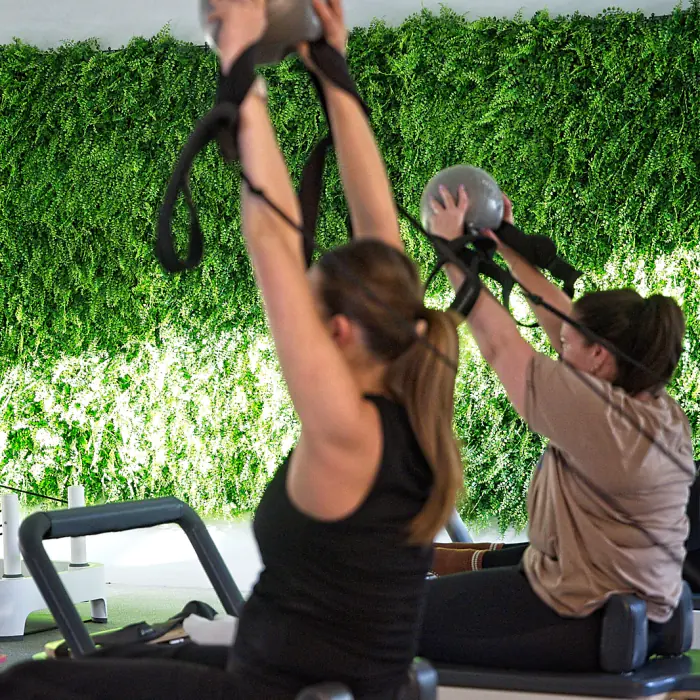
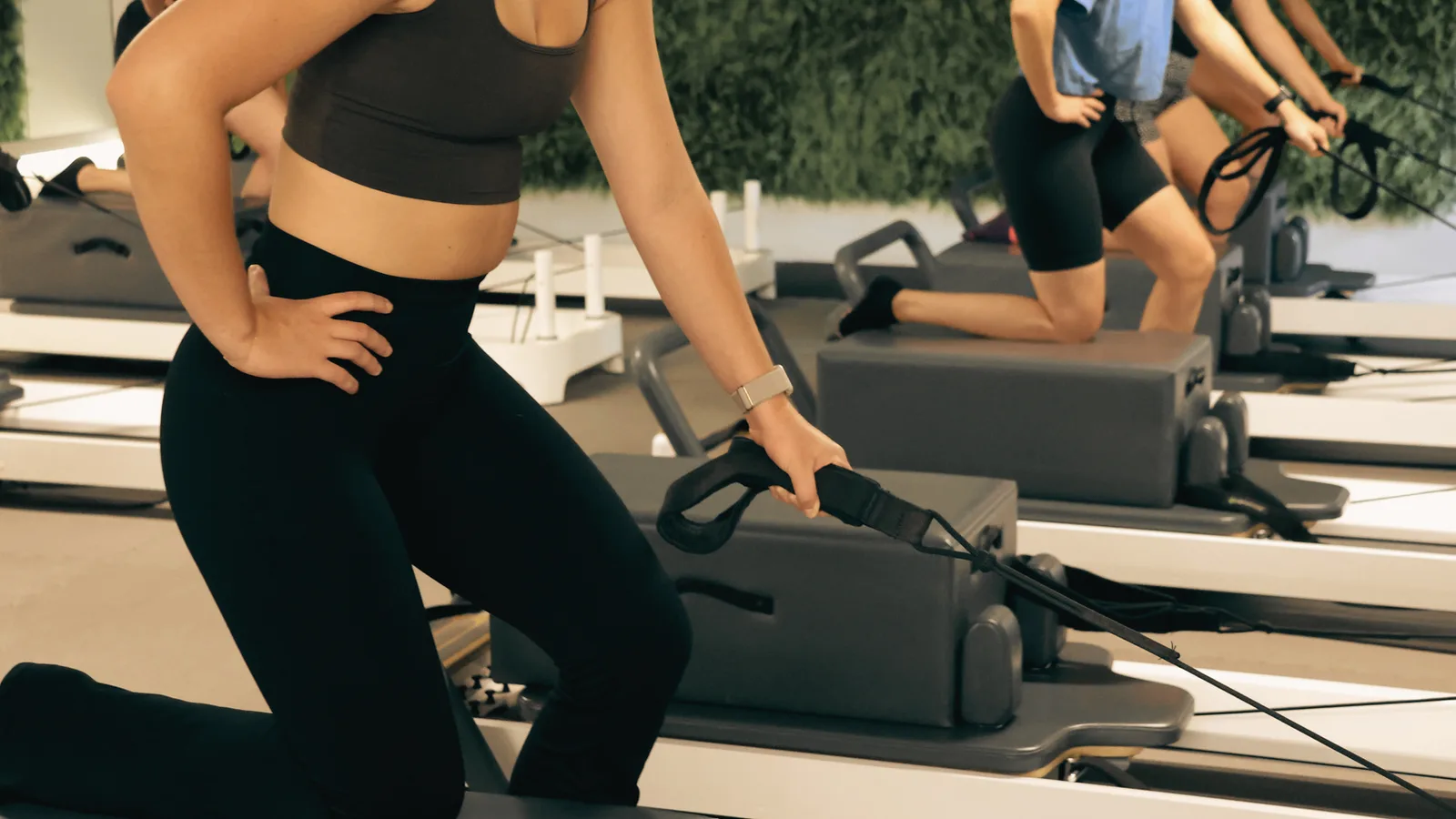
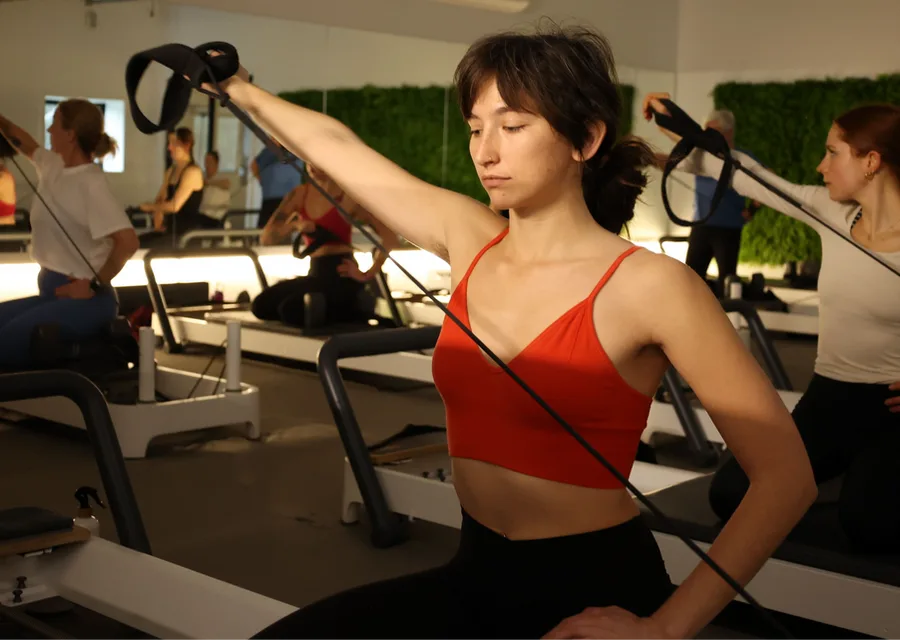
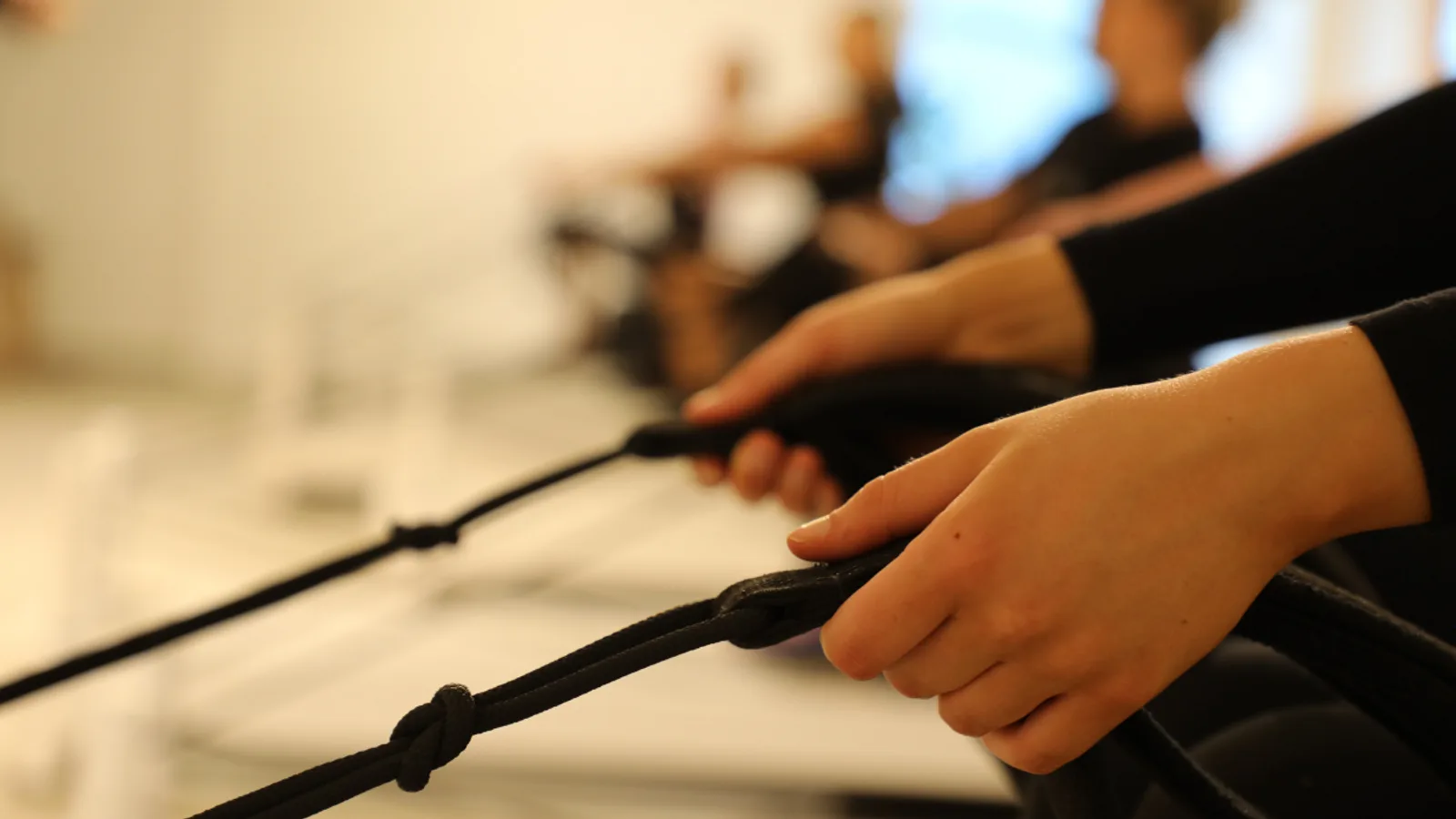
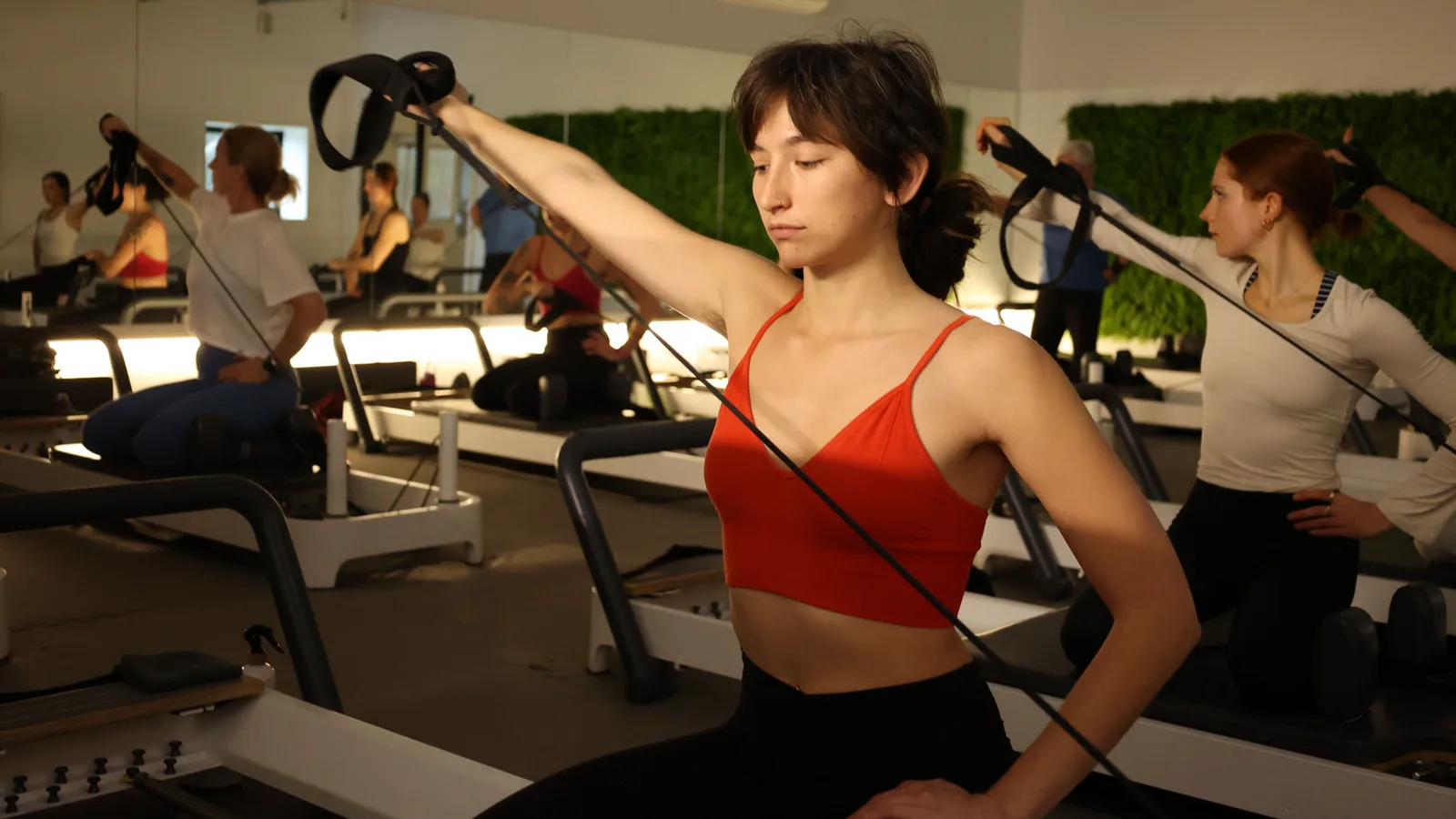
Shoulder stability. Arm work in the straps, where you pull the straps back or out to the side, trains your shoulder blades to stay steady while your arms work.
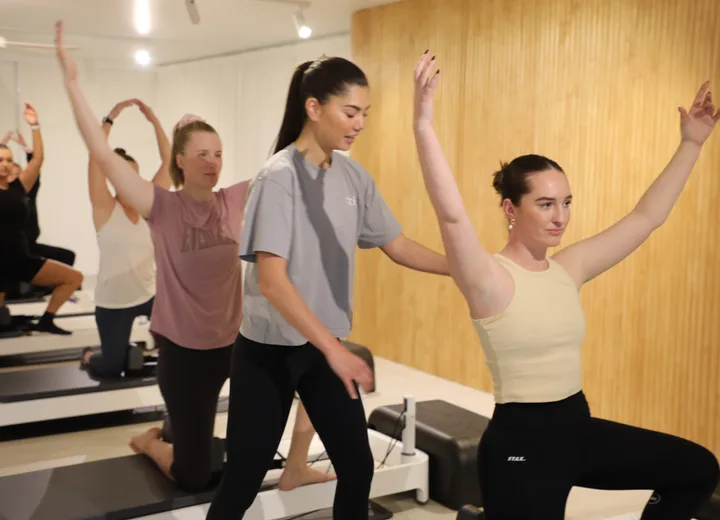
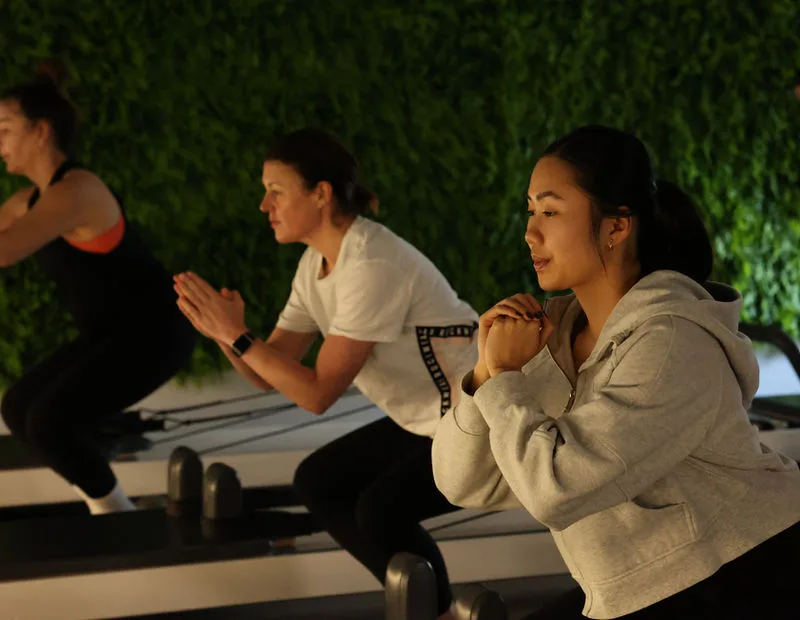
Single-leg strength. Lunges and standing work on the Reformer build the hip strength you need when you are stepping up kerbs or walking on sand with a load.
Grip. Holding the straps through a series of exercises builds hand and forearm endurance.
Over time, many people find that the shopping feels lighter and their back is less tired at the end of a big day.
When to see a professional
See your GP or physio if carrying causes sharp pain or pain that travels down your leg. Numbness and tingling are also worth checking. The same goes for back or shoulder pain that does not improve after a few days of rest.
Build your carrying strength
The busy weeks of December are a good time to look after your back. If you would like to build the strength behind every load you carry, have a look at our classes, and book a session through the timetable. The 21 day trial gives you three weeks of unlimited classes at Wollongong and Shellharbour for $65.