


Health & Wellbeing · 24 November 2026 · 6 min read
Hypermobile? Why Pilates puts control ahead of range
Very flexible joints can make Pilates look easy and feel unsteady. How to train for strength and control when your joints move further than most.
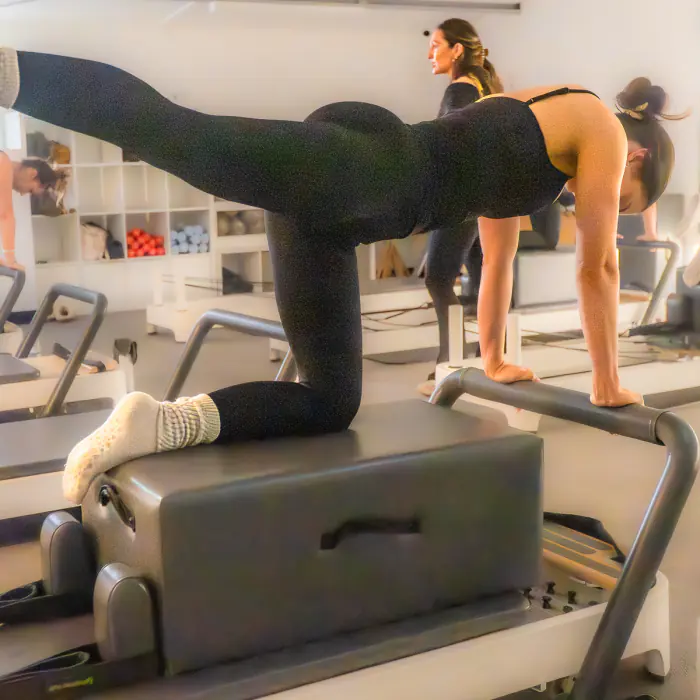
Most fitness advice assumes you need more flexibility. For some people the opposite is true. Their elbows and knees bend backwards past straight, they can fold forward with flat palms on the floor without warming up, and they have heard "you're so bendy" for most of their life.
If that sounds familiar, you may have joint hypermobility. It means some of your joints move further than most people's. For many people this causes no problems at all. Others find that very mobile joints come with aches and frequent sprains, or a feeling that their body is unstable. Either way, how you train matters. Pilates can be a very good fit, as long as you focus on control instead of chasing range.
What hypermobility is
Joint hypermobility describes joints that move beyond the typical range. According to the NHS, it most often affects children and young people and often improves with age. Many hypermobile people are drawn to dance and gymnastics, because their flexibility gives them a head start.
When hypermobility comes with ongoing symptoms, a doctor may diagnose a related condition. The NHS lists possible signs including ongoing joint pain and stiffness. Joints that slip out of place are another, as are poor balance and coordination. A GP will often use a simple test called the Beighton score to check how far certain joints bend, and will ask about your history.
This article is general information, not a diagnosis. If you think you might be hypermobile and you have pain or other symptoms, see your GP. A physio with experience in hypermobility can also give you a tailored plan.
Why strength matters more than stretch
Ligaments and the joint capsule are the body's passive restraints. When they are looser than average, muscles have to do more of the work of holding joints steady. That is why the NHS states that the main treatment for joint hypermobility syndrome is improving muscle strength and fitness so your joints are better protected. It also advises against overstretching joints just because you can.
This is where many hypermobile people go wrong in fitness classes. Stretching to the end of the range feels good, often because it is the only time they feel anything at all. The trouble is that sitting at end range puts load on the passive structures rather than the muscles that should be supporting the joint.
Why Pilates suits hypermobile bodies
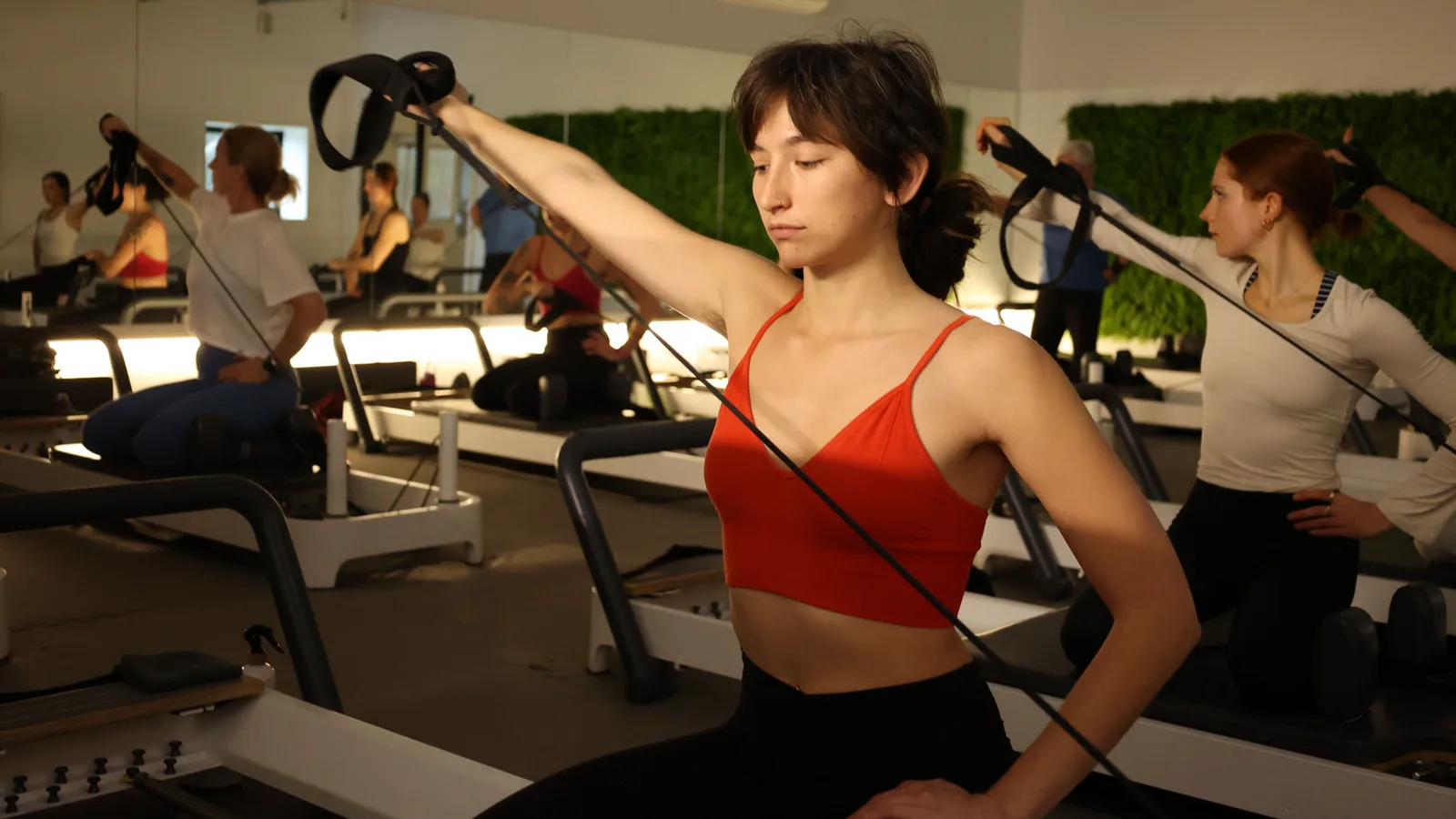
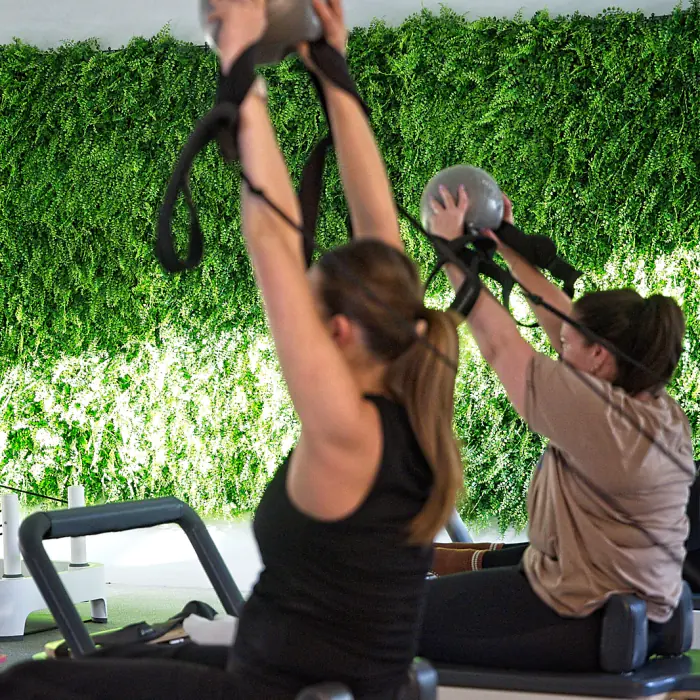
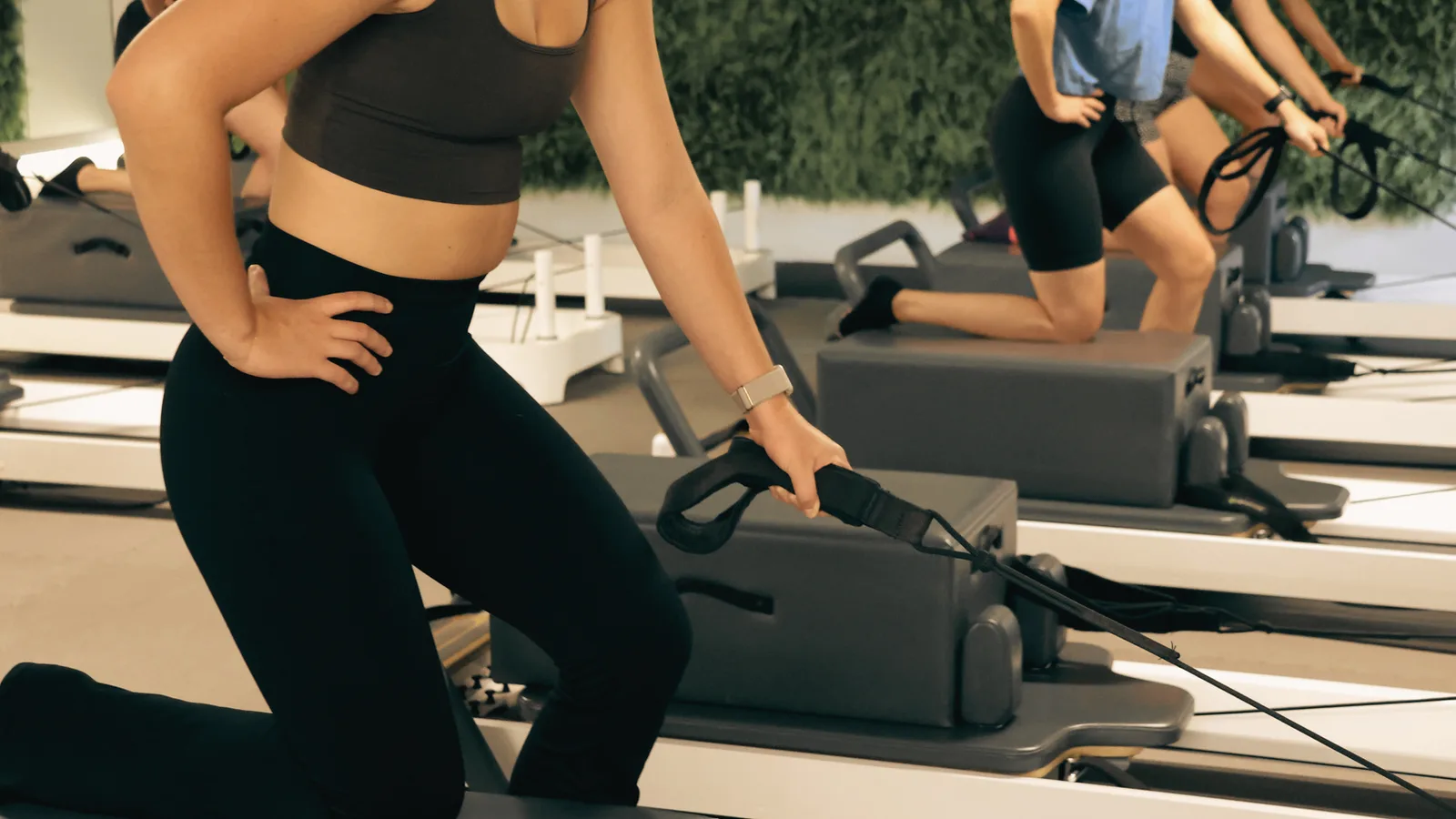
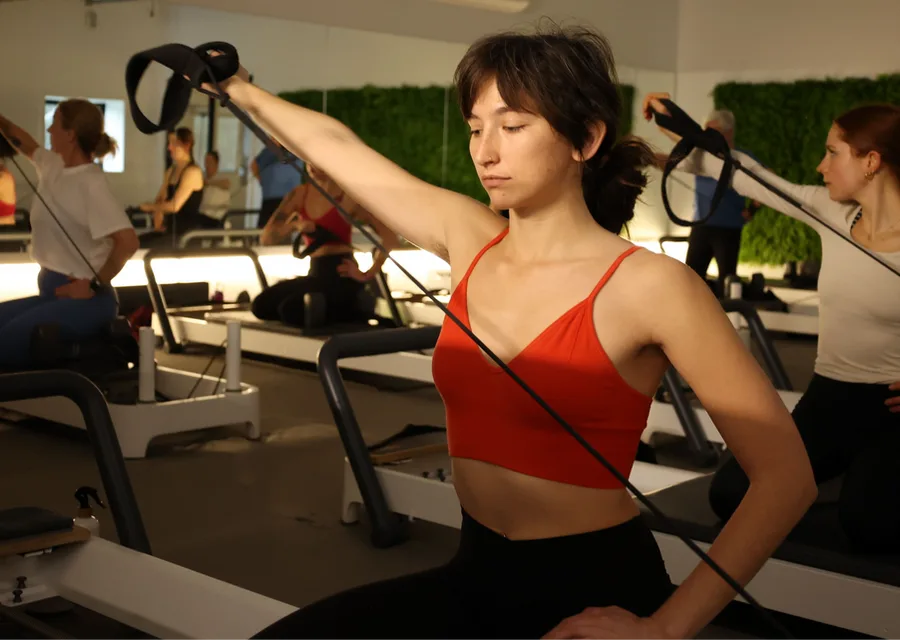
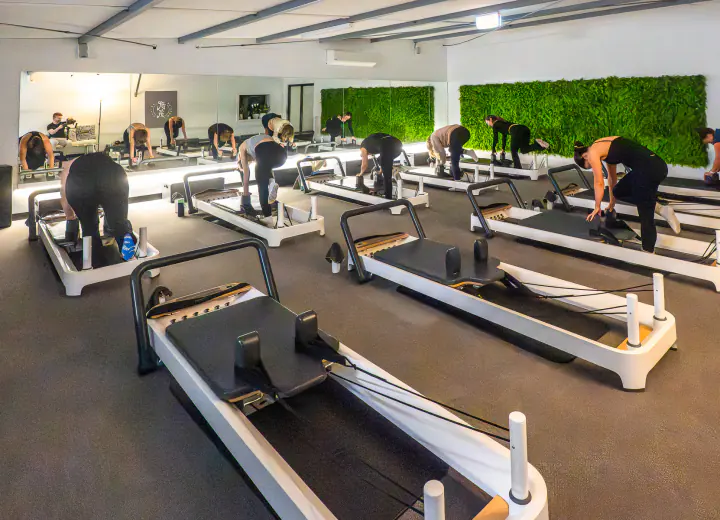
Pilates was built around control, and that is exactly what hypermobile joints need. A Reformer class gives you a few useful tools.
Springs give feedback
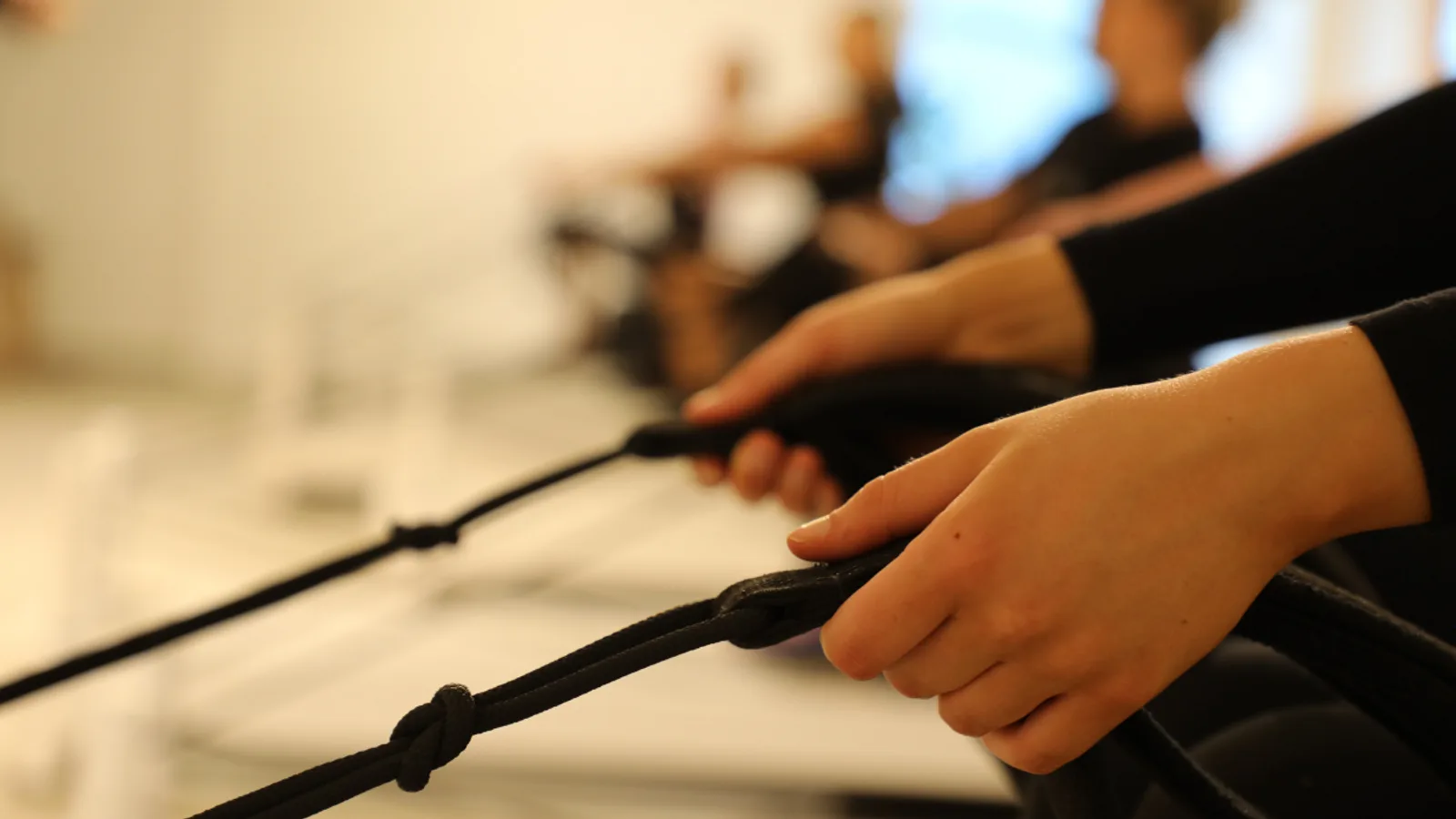
The springs on a Reformer resist you in both directions. When you push the carriage out and draw it back in, you have to control the whole movement. That steady resistance gives your muscles something to work against and gives your brain more information about where your joints are.
Mid-range strength
Many Pilates exercises work in the middle of a joint's range, where muscles can do their best work. Your instructor will often cue you to stop before you lock out, which is good practice for anyone and especially important if your joints tend to overextend.
Body awareness
Many hypermobile people find it harder to sense where their joints are without looking. This sense is called proprioception. Slow, precise movement with clear cues helps build that awareness. Over time, you get better at noticing when a joint is drifting into a position you do not want.
Stability before mobility
Pilates trains the deep trunk muscles and the muscles around the hips and shoulders. That gives the joints further down the chain a stable base to work from.
What to change in class
These simple adjustments make a big difference.
Keep a slight bend. In footwork and planks, stop just before your knees or elbows lock straight. Think of keeping the joint "long but not locked". You should feel your muscles holding the position, not the back of the joint.
Choose smaller ranges. If an exercise asks you to lower or stretch, stop at the point where you can still control it. You do not need to go as far as you can.
Work the muscles in stretches. In stretches on the Reformer or in a Stretch or Yoga class, aim to feel the stretch in the belly of the muscle instead of in a joint. Pulling at the front of the hip or behind the knee is a sign to back off and engage the muscles around the joint.
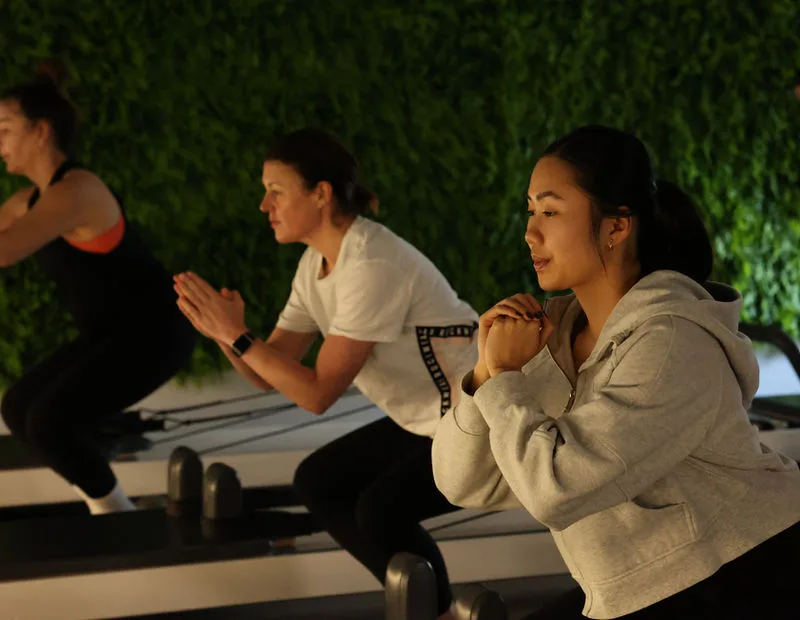
Slow down. Fast movement makes it harder to control the end of the range. Control classes are a good place to practise moving slowly and precisely.
Watch for hanging. Standing with locked knees is a common habit, and so is letting your hips sag into their end range. When your instructor cues you to lift or lengthen, the aim is to move the load from your joints to your muscles.
Tell your instructor
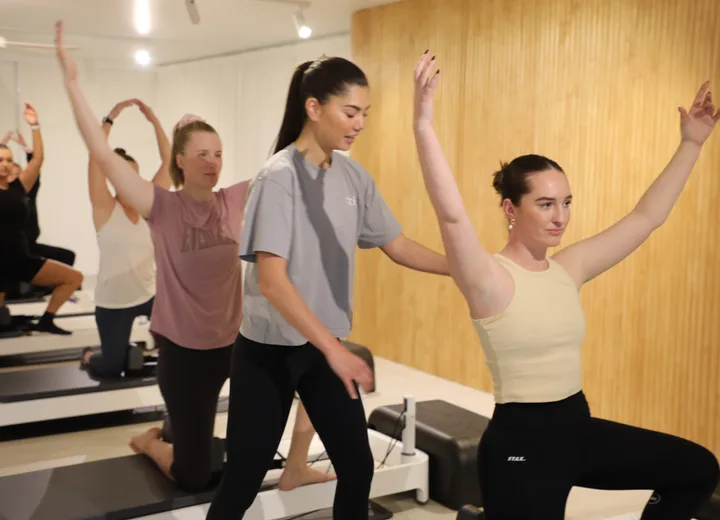
Let your instructor know before class that you are hypermobile. It matters most if you have a diagnosis or a history of dislocations, and if anything is sore right now. They can suggest spring settings and alternative positions, and they will know to keep an eye on the joints most likely to overextend. You can also note it on your enrolment form.
When to get checked
See your GP or a physio if you have:
- Joints that dislocate or partly dislocate
- Ongoing pain in several joints
- Frequent sprains or strains
- Ongoing fatigue that seems linked to your joints
- Dizziness when standing up, or other symptoms you are unsure about
A health professional can rule out other causes and give you specific advice, including whether any exercises should be avoided.
Building a steady routine
Strength builds gradually, so consistency matters more than intensity. The NHS also notes that not doing any exercise can make hypermobility symptoms worse, so a regular routine is worth building. Two or three classes a week is a good target for most people, with at least one slower class in the mix. Build your week around Control and Flow, which focus on strength. An occasional Stretch or Yoga class is fine too, as long as you keep the focus on muscle engagement rather than range.
Outside the studio, low-impact options such as swimming and cycling are good choices.
Find your strength
If you are very flexible but have never felt strong, Pilates can help you build the control your joints need. The 21 day trial gives you three weeks of unlimited classes at Wollongong and Shellharbour for $65. Start with Control, tell your instructor about your joints, and book through the timetable. If you would like to ask a question first, contact us.