



Benefits of Pilates · 22 October 2026 · 4 min read
Why reformer Pilates builds strength you can actually use
Spring resistance trains the way your body moves in real life. What that means for lifting kids, gardening and getting off the floor with ease.
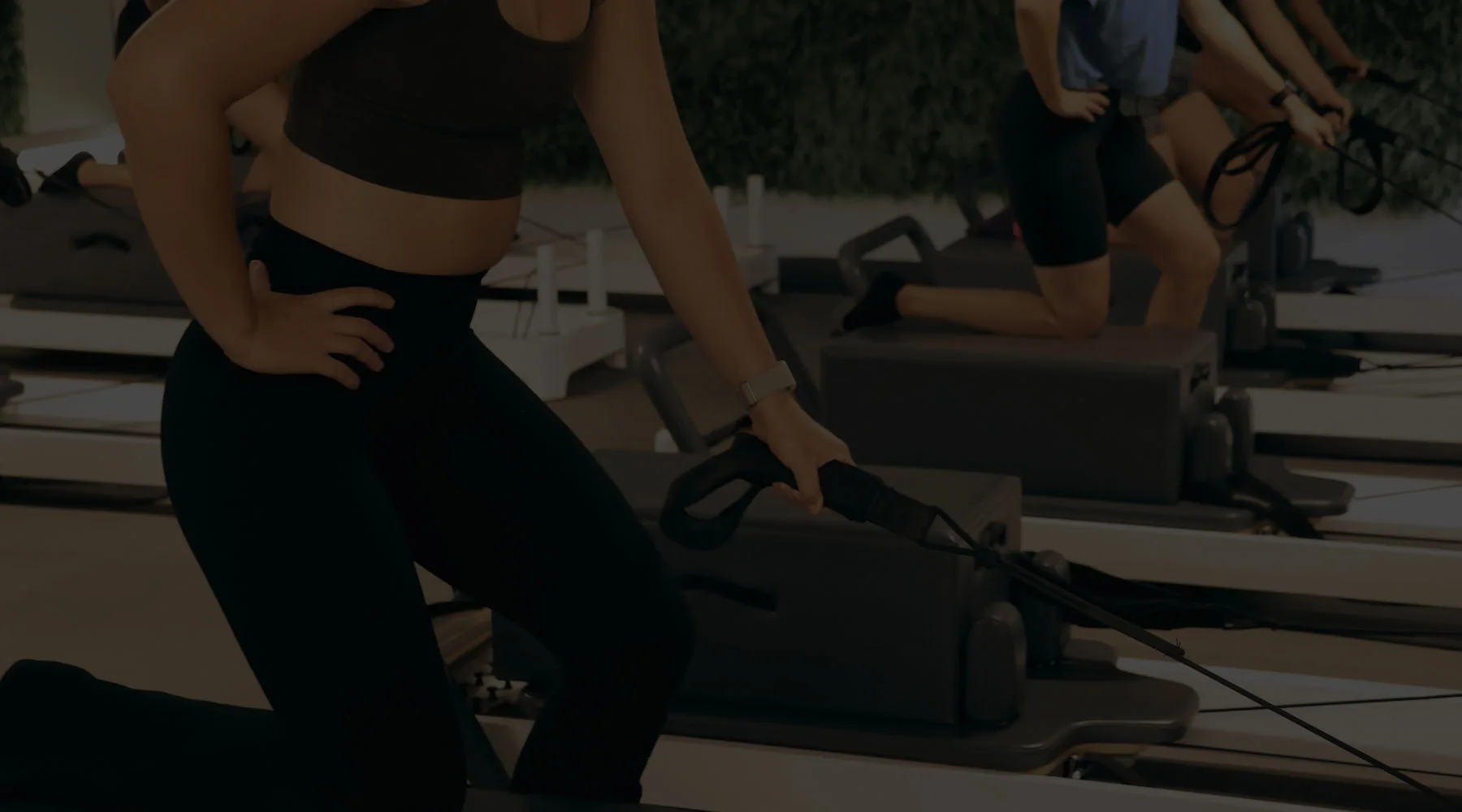
There is gym strong, and there is life strong, and anyone who has watched a big bench presser struggle to carry a wriggling toddler up a staircase knows the two are not the same thing. The strength most of us actually need is the useful kind: lifting awkward things safely, carrying shopping over distance, getting up off the floor with ease, staying steady when the ground or the toddler lurches.
Fitness people call this functional strength, and it is the specialty of the Reformer. Here is why the strength built on springs transfers so directly into the strength you spend every day.
Real life is not a bicep curl
Look closely at how machines in a regular gym work: each one isolates a muscle, locks you into a fixed path, and loads that one muscle in that one groove. It builds muscle, no argument. But life never loads you that way. Life hands you a box of books at an odd angle, a child who leans left mid lift, a garden bag that shifts as you carry it.
Handling that requires muscles working in coordinated chains, a trunk that stabilises while limbs produce force, and control through whatever awkward range the moment demands. Strength that lives only in fixed grooves stays home when you need it on the driveway.
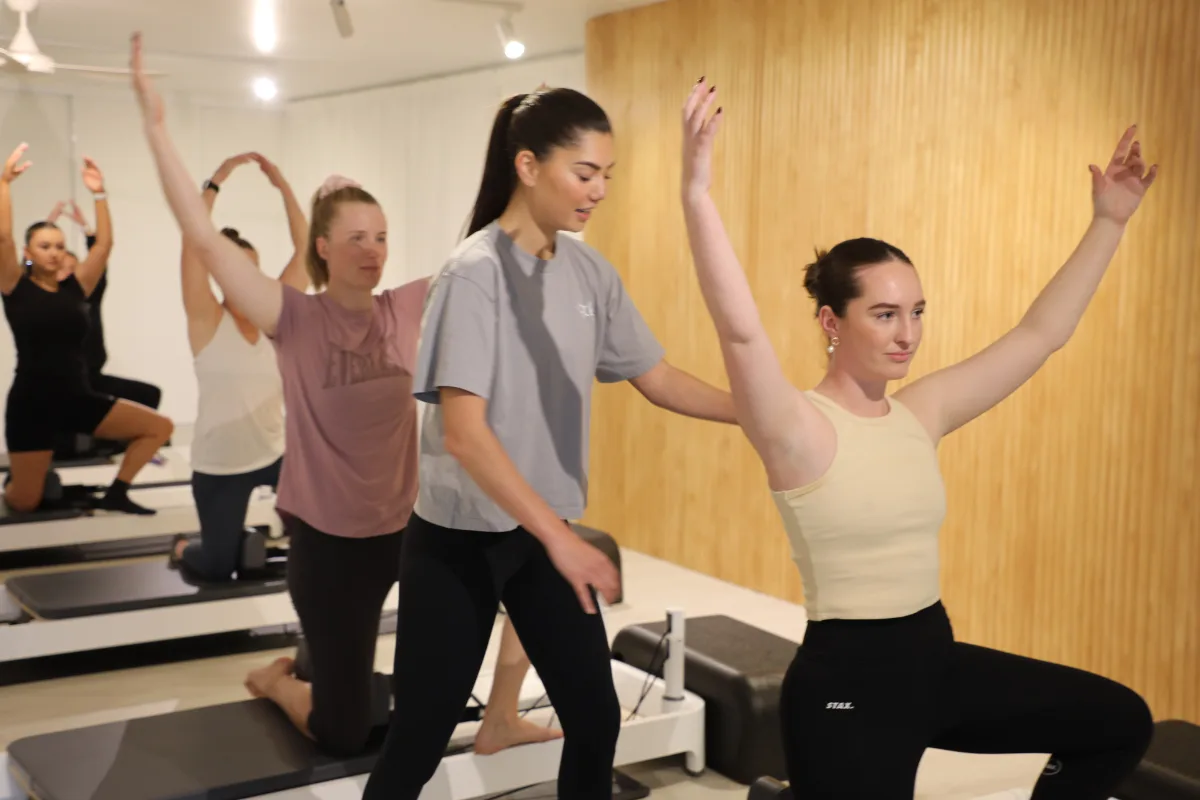
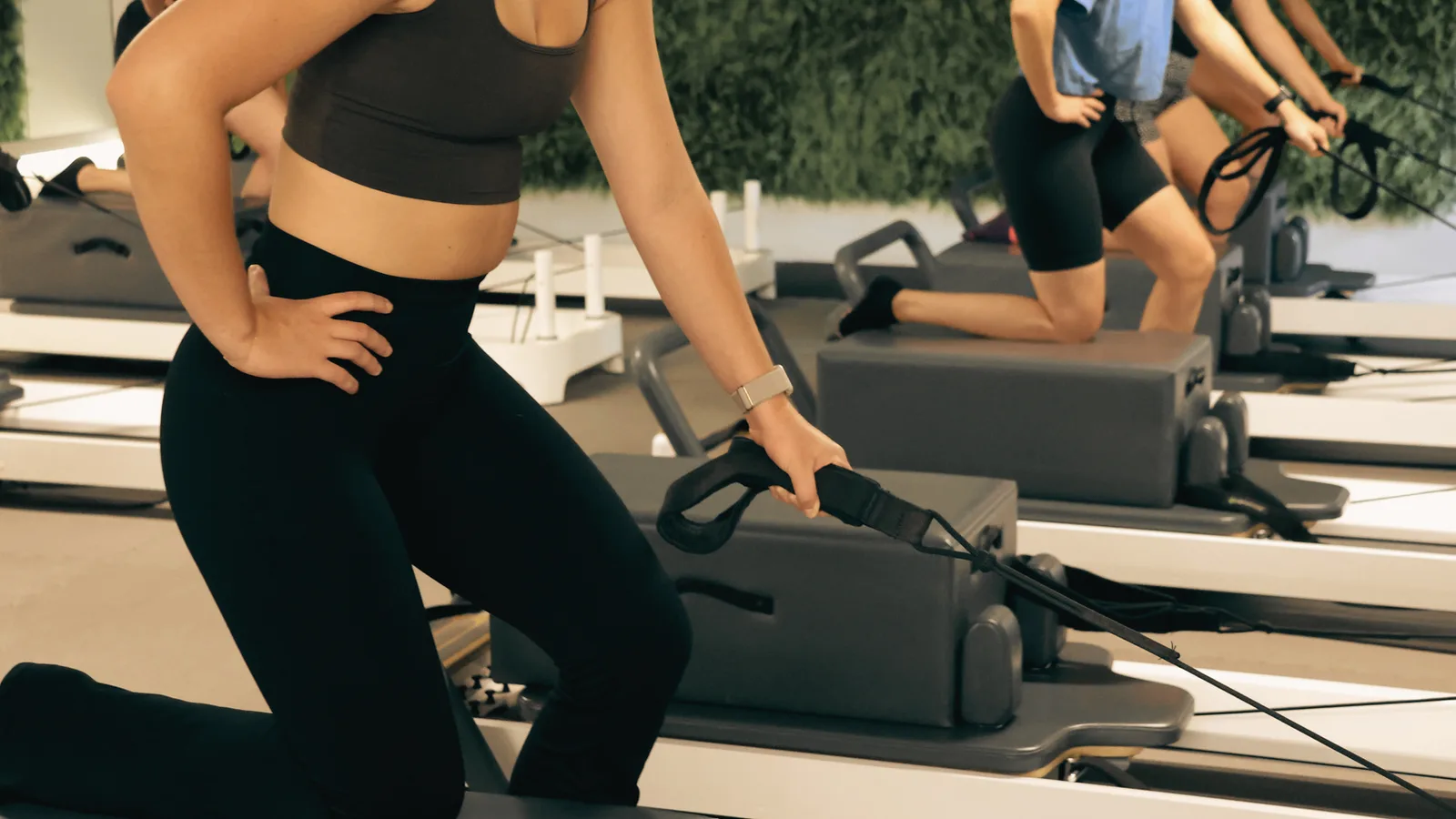
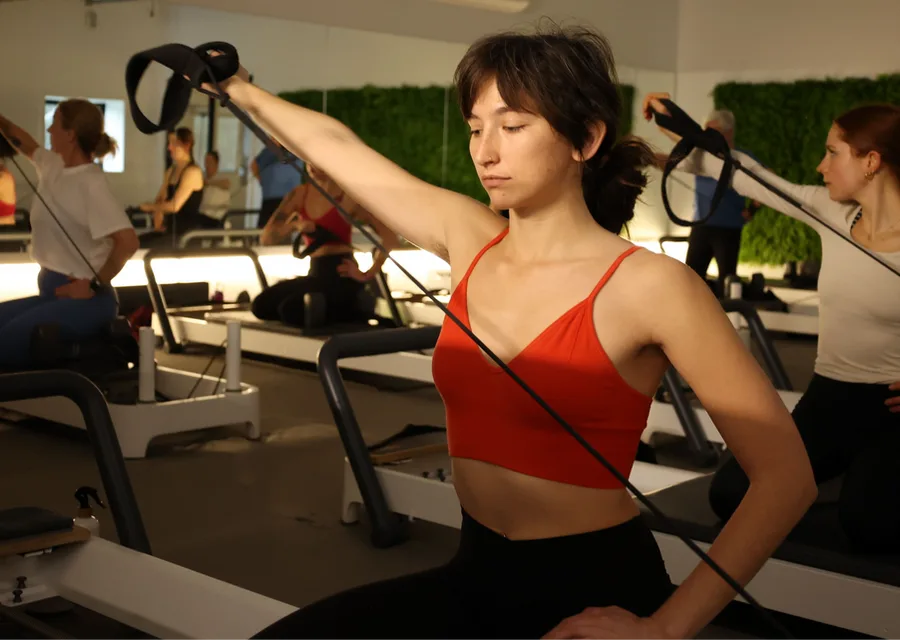
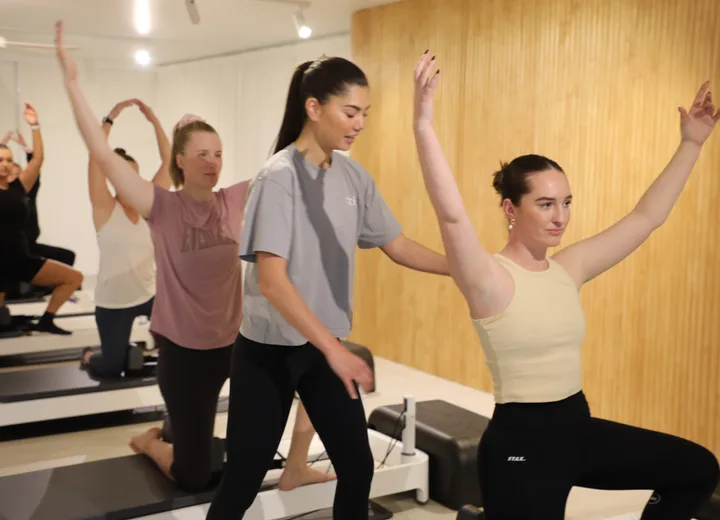
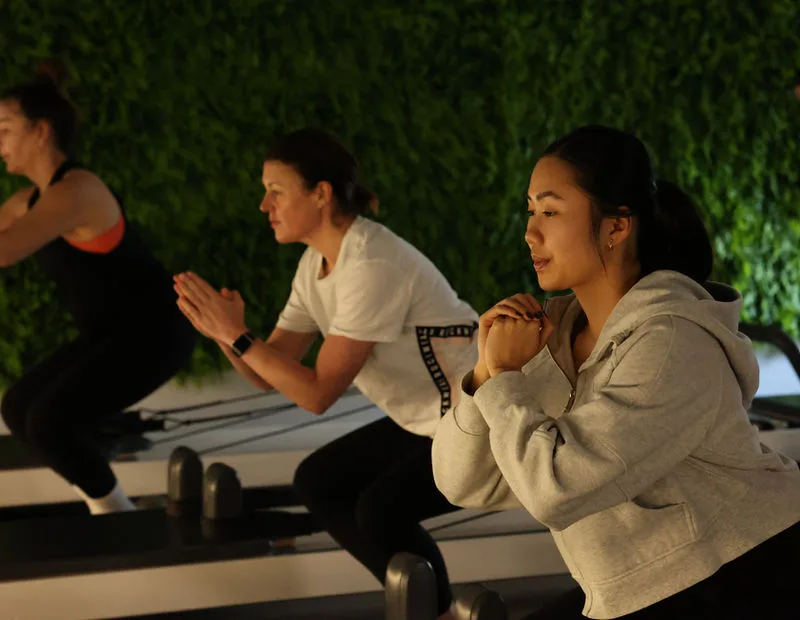
Reformer training is built the opposite way. The carriage moves beneath you, so your deep core works through every exercise, not just the ab section. Movements involve whole chains, legs pressing while the trunk holds, arms pulling while the pelvis stays level. And no two moments of an exercise feel identical, because spring resistance changes through the range, asking for control at every centimetre rather than momentum through the middle.
In other words, the machine rehearses the actual structure of real world strength: coordination, stability and control under load. What you practise is what you get.
The eccentric secret
One specific mechanism deserves its own headline. In daily life, half of strength is the lowering half: lowering the child into the cot without dropping the last ten centimetres, lowering yourself into a chair with control rather than a plummet, lowering the heavy pot to the floor kindly.
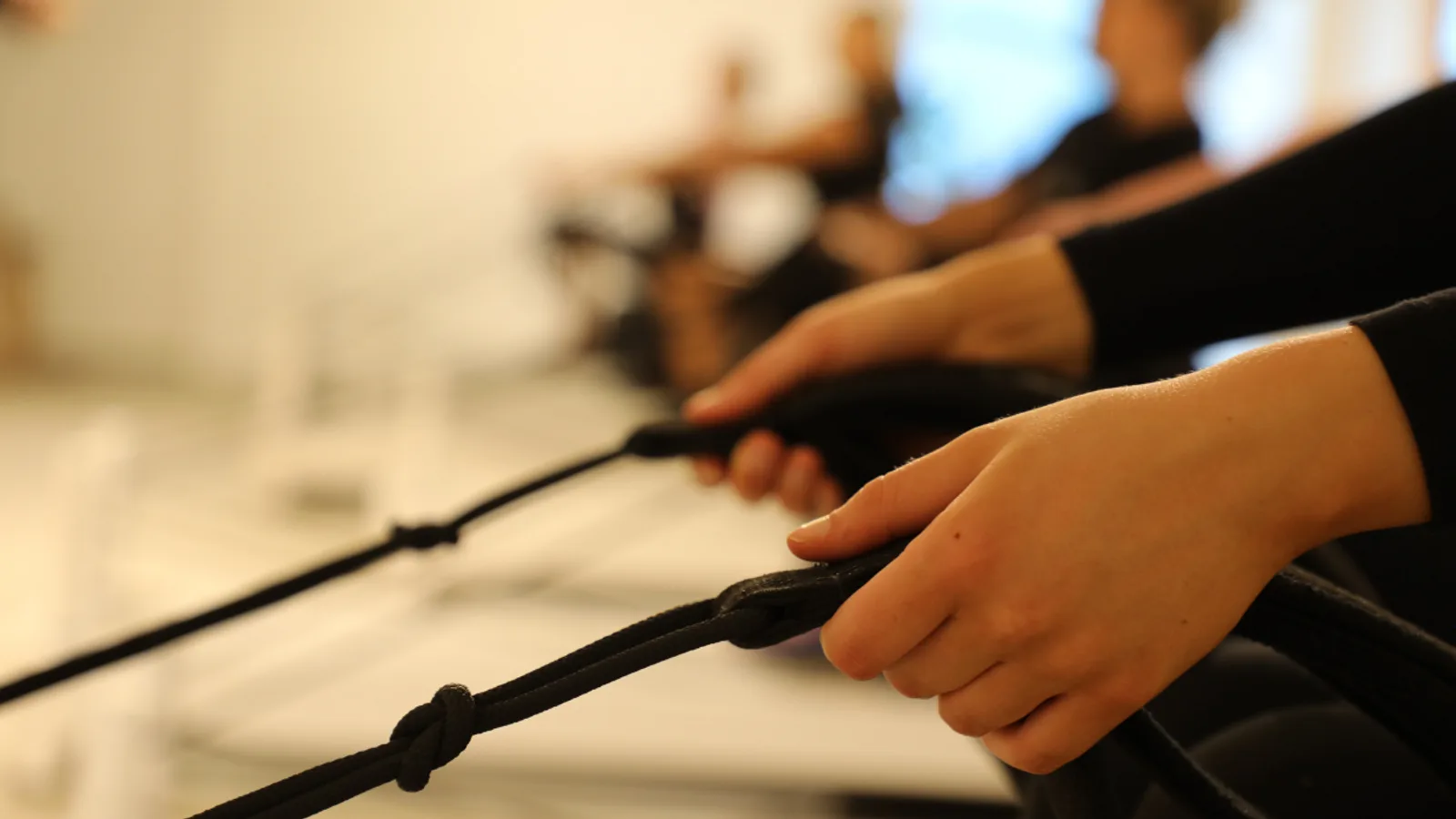
That controlled lowering is eccentric strength, muscles working while lengthening, and it is famously undertrained because letting gravity do the down phase is so tempting. On a Reformer, the springs remove the option. Release the carriage carelessly and it clatters home for the whole class to hear, so every repetition includes a controlled return, which means every class quietly banks hundreds of eccentric reps. Research links eccentric work strongly with strength gains and tendon health, and daily life links it with every graceful descent you will ever perform.
Strength through the ranges you actually visit
Life is also rude enough to demand strength in stretched positions: the deep squat to the bottom drawer, the long reach into the car boot, the overhead stretch to the top shelf. Conventional training mostly avoids end ranges. Injuries, however, love them, precisely because they are strong nowhere.
Reformer work systematically loads long positions with adjustable springs, building strength through range rather than range alone. The payoff is a body that is not merely flexible enough to reach the awkward place but strong enough to do work once it gets there, which is the actual requirement of boot loading, gardening and floor games with small children.
What members notice
The transfer shows up in reports that sound mundane and mean everything. The forty kilo bag of potting mix that stopped being an event. The grandchild lifted without the pre lift bracing ritual. The paddle out that stopped burning the shoulders. The flight of stairs at Wollongong station taken two at a time, with luggage, out of curiosity.
None of these people trained those specific feats. They trained Control and Flow twice a week, and the feats came along free, because the strength was built in transferable currency. That is the difference between training movements and training muscles, and it is why the method has held people since 2016 who were bored senseless by every gym they ever joined.
The timeline is honest too: noticeable changes within about ten sessions, with the compounding described in our frequency guide doing the rest across months.
Useful strength at every setting
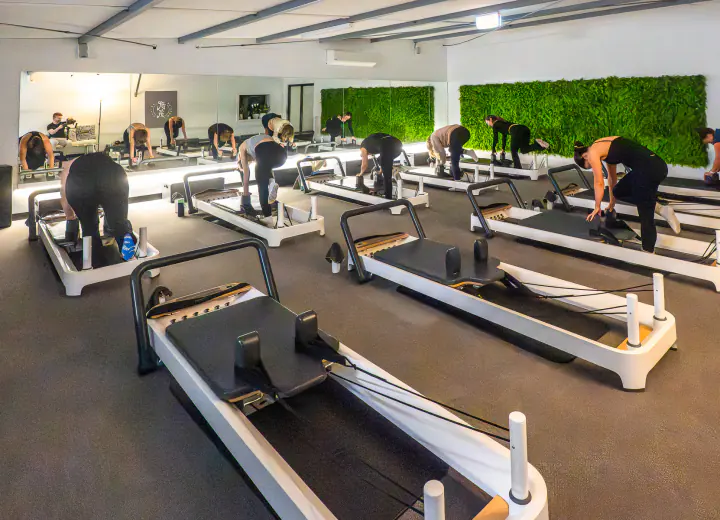
The same functional logic scales in both directions. For athletes, the carriage's instability and chain based loading is precisely the crossover training their sports draw on. For members rebuilding after injury or training for the long decades ahead, the springs assist until strength arrives, then resist as it grows. Same machine, same principles, different settings, which is how a single small class at Keira Street or Benson Avenue can be training a tradie, a teacher and a retiree side by side, all for their own versions of capable.
Go get the useful kind
If your goal for exercise has quietly always been "be strong for my life", you are the person this method was designed for. Book a Control class through our timetable, and give the springs three weeks on the 21 day trial, unlimited classes at both studios for $65.
Then wait for your own mundane miracle. It usually arrives holding shopping bags.