

Benefits of Pilates · 20 October 2026 · 4 min read
Training for longevity: why Pilates suits every decade
From your twenties to your seventies, the reformer scales with you. What changes at each stage.
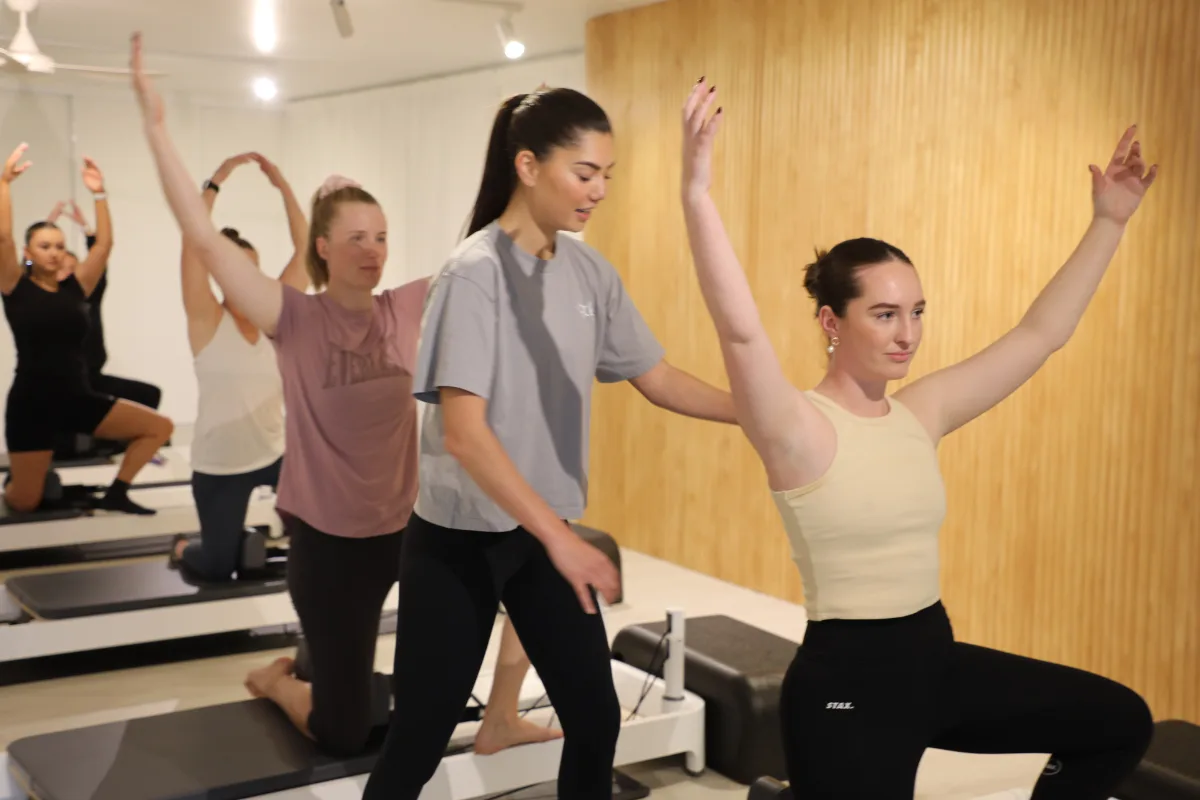
The fitness industry has finally changed its question. For decades the question was how do I look better by summer. The one taking over, in the research and increasingly in ordinary conversation, is better: how do I stay strong, mobile and independent for the decades ahead? Training for lifespan has given way to training for healthspan, the years you spend actually capable.
It is the best trend our industry has produced in a long time, and it happens to describe what Pilates was quietly doing all along. Here is why the method suits longevity training so well, decade by decade, and why the same timetable can hold a twenty five year old and her grandmother, both training hard.
What long term capability actually requires
Strip the science down and staying physically capable into old age rests on a handful of currencies. Muscle, which declines with every decade unless deliberately maintained, and which determines everything from metabolism to getting off the floor. Bone, which responds to load and quietly decides the outcome of future falls. Balance and coordination, which decide whether the fall happens at all. Joint mobility, which keeps movement available and comfortable. And the habit itself, because none of the above survives long gaps.
Notice what that list rewards: consistent, progressive, low injury resistance training with balance and mobility built in, sustainable across decades. Not maximal, not punishing, not seasonal. If you designed a method for that specification from scratch, you would reinvent something very close to Reformer Pilates.
Your twenties and thirties: building the base
The early decades are for accumulating capital. Peak muscle and bone are largely set by your mid thirties, and everything after draws on the account.
Pilates in this chapter builds the movement quality that makes every other pursuit safer, the core control under sport and lifting, the posture that a career of desks will spend thirty years attacking, and the habits of precise movement that become priceless later. It also pairs beautifully with everything else these decades hold: athletes fill the gaps their sport creates, and for women, pregnancy is supported before, during and after, as we cover here.
Your forties and fifties: the pivot decades
This is where longevity training stops being theoretical. Muscle loss accelerates, recovery slows just enough to notice, old injuries send letters, and for women, menopause makes the muscle and bone conversation urgent.
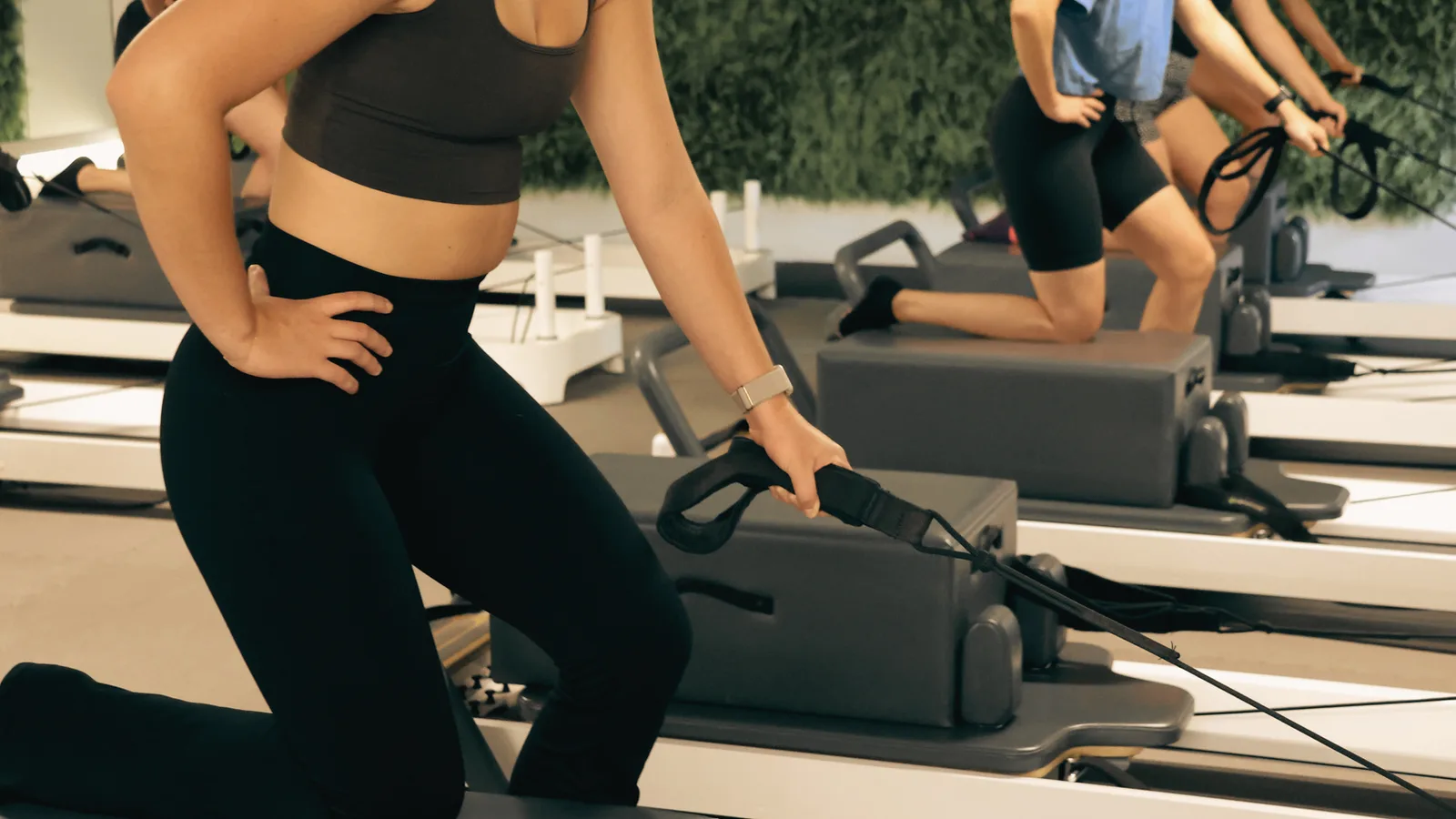
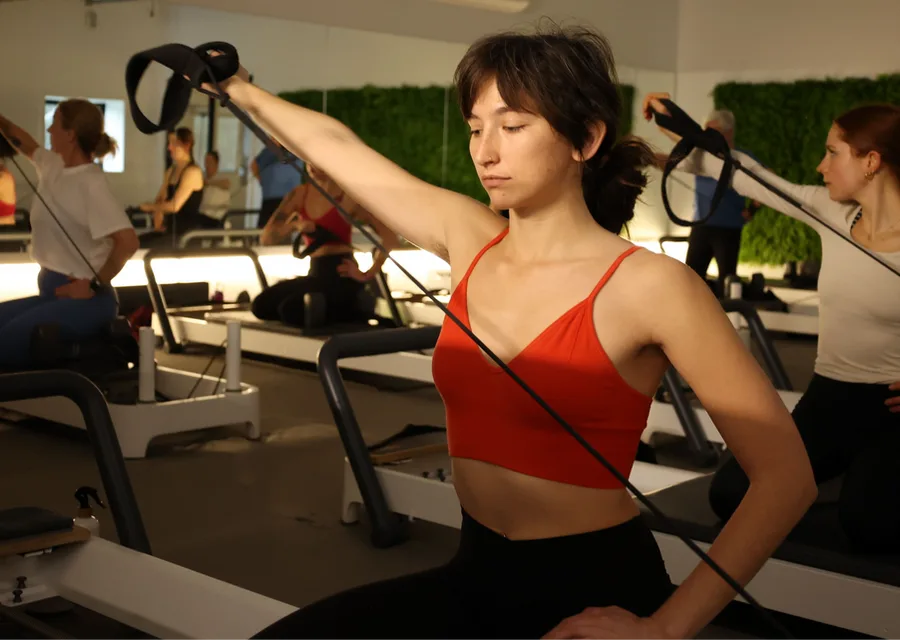
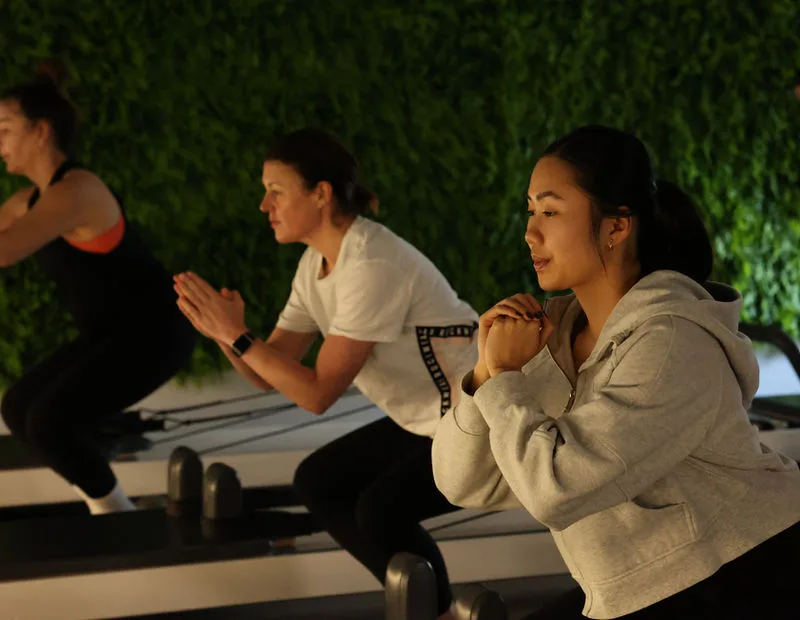
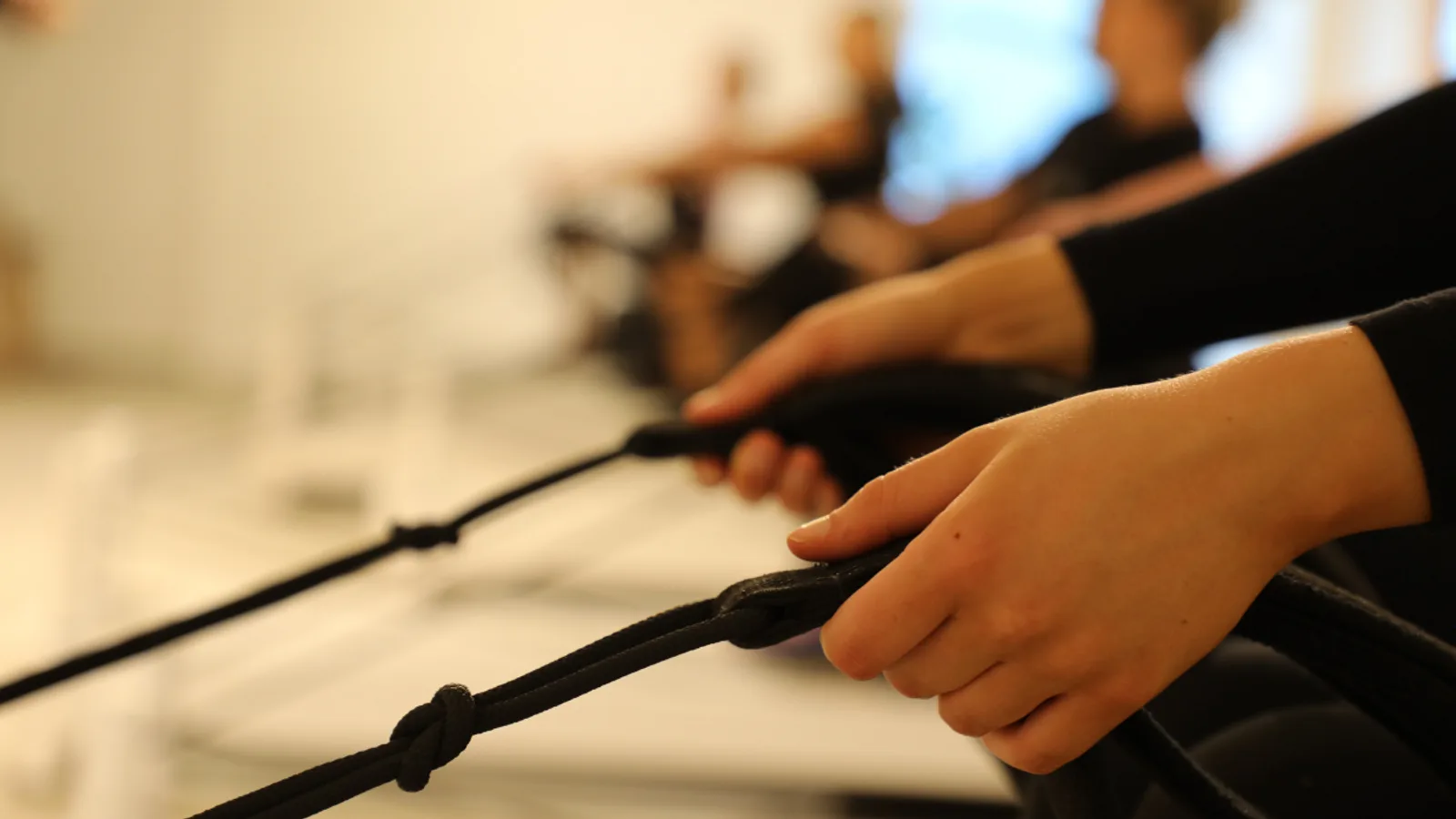
The method's adjustability becomes its superpower here. Springs progress the strong days and accommodate the creaky ones. Low impact work respects joints that have started expressing preferences, while Jump classes keep real conditioning available without the pounding. And the timetable's built in recovery classes, Stretch and Yoga, match a body that now genuinely needs the rest half of training done properly.
Members who arrive in these decades often report the fastest visible progress in the room, because the gap between untrained and trained midlife is enormous, and it closes quickly.
Your sixties and beyond: the payoff decades
Here is where the longevity framing becomes concrete. The training goals of this chapter are gloriously practical: carrying shopping, gardening without a recovery day, keeping up with grandchildren, confidence on stairs and uneven ground, getting up from the floor without furniture assistance. Every one of those is strength, balance and mobility, which is to say, every one of those is trainable.
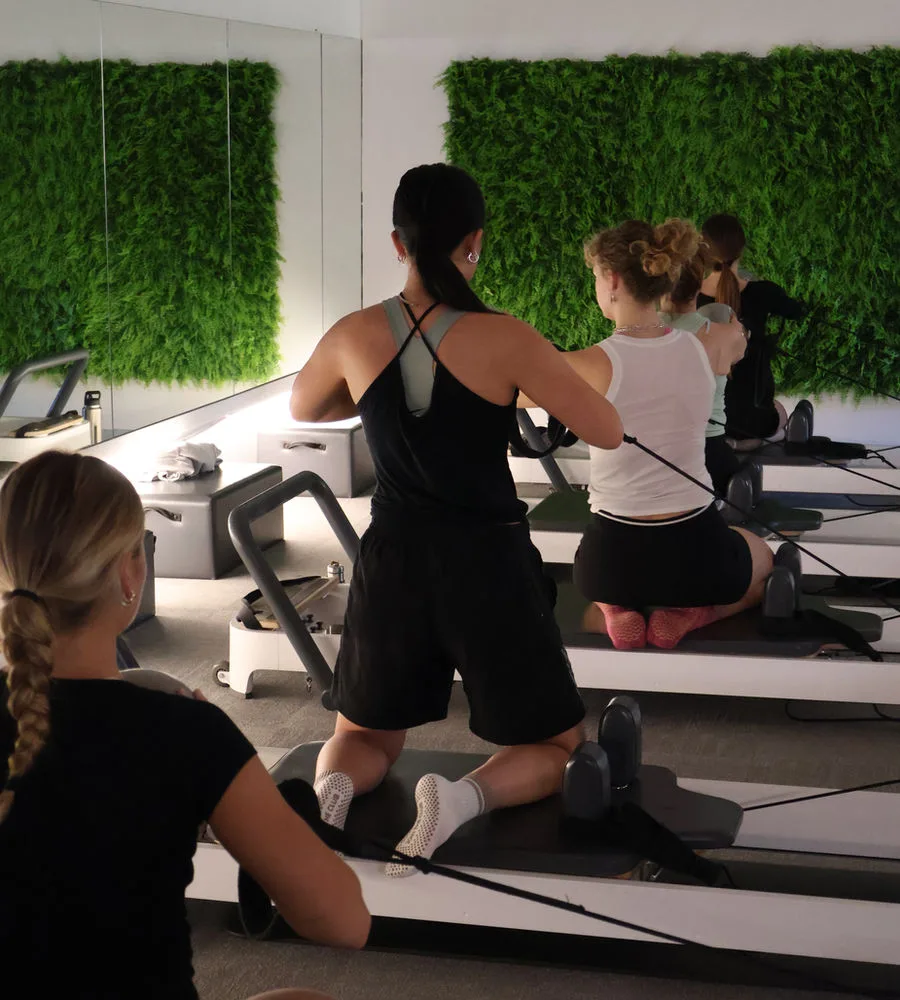
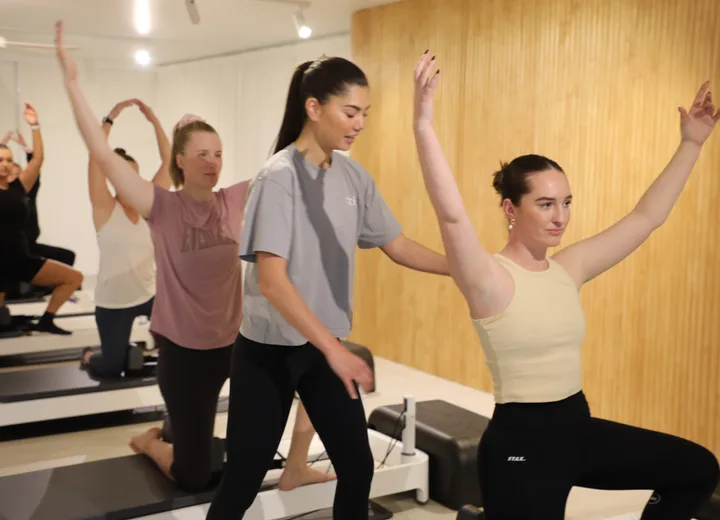
Our older members are proof the machine scales all the way. The springs meet reduced starting strength with assistance and progress it patiently. The carriage supports positions that floors no longer offer kindly. Balance work happens with support nearby. And the coaching in small classes catches what needs catching. Some of the most committed regulars at both our studios are in their sixties and seventies, and they did not come to be minded gently. They come to train, and they do.
The research backs the ambition: strength and balance training in later decades measurably reduces falls and preserves independence, and adaptation continues at every age studied. The window never shuts.
The thread through every decade
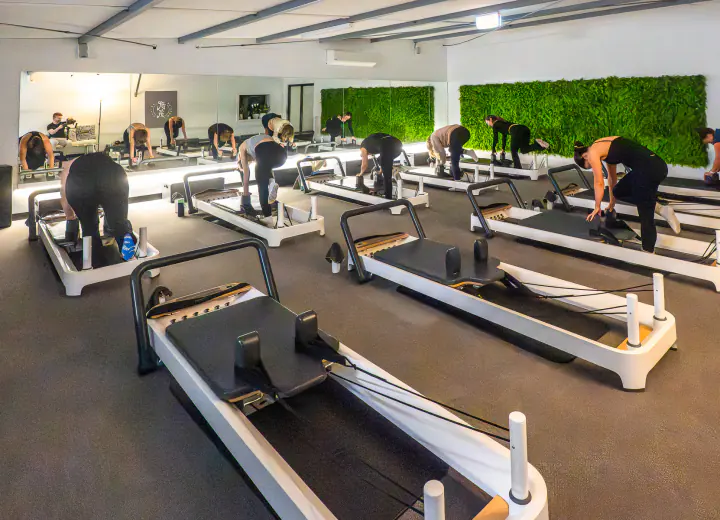
Look back across those chapters and the same features do the work each time, just aimed at different targets. Progressive spring resistance. Joint mercy. Balance and control woven through everything. Recovery built into the timetable. Precision coached in small rooms. A method one body can practise at twenty five and still be practising, meaningfully, at eighty.
That last point might be the real longevity secret, and it is the least glamorous: sustainability. The best training program is the one still running in thirty years, and Pilates is unusually easy to still be doing. Ask the members who have been with us since we opened in 2016, some of whom have moved through several of these decade chapters on our carriages, adjusting springs as they went.
Start the long game
Whatever decade you are reading this from, the longevity logic is the same: the strength you build now is the strength you draw on later, and the account rewards early, regular deposits.
The 21 day trial gives you unlimited classes at Wollongong and Shellharbour for $65, and a Control class is the right first booking at any age. Come train for summer if you like. Just know you will accidentally be training for all the summers after it too.