

Moving Well · 3 October 2026 · 5 min read
Slow is strong: why Control classes build the best foundations
What slowing down does for technique, and why advanced members still book Control.
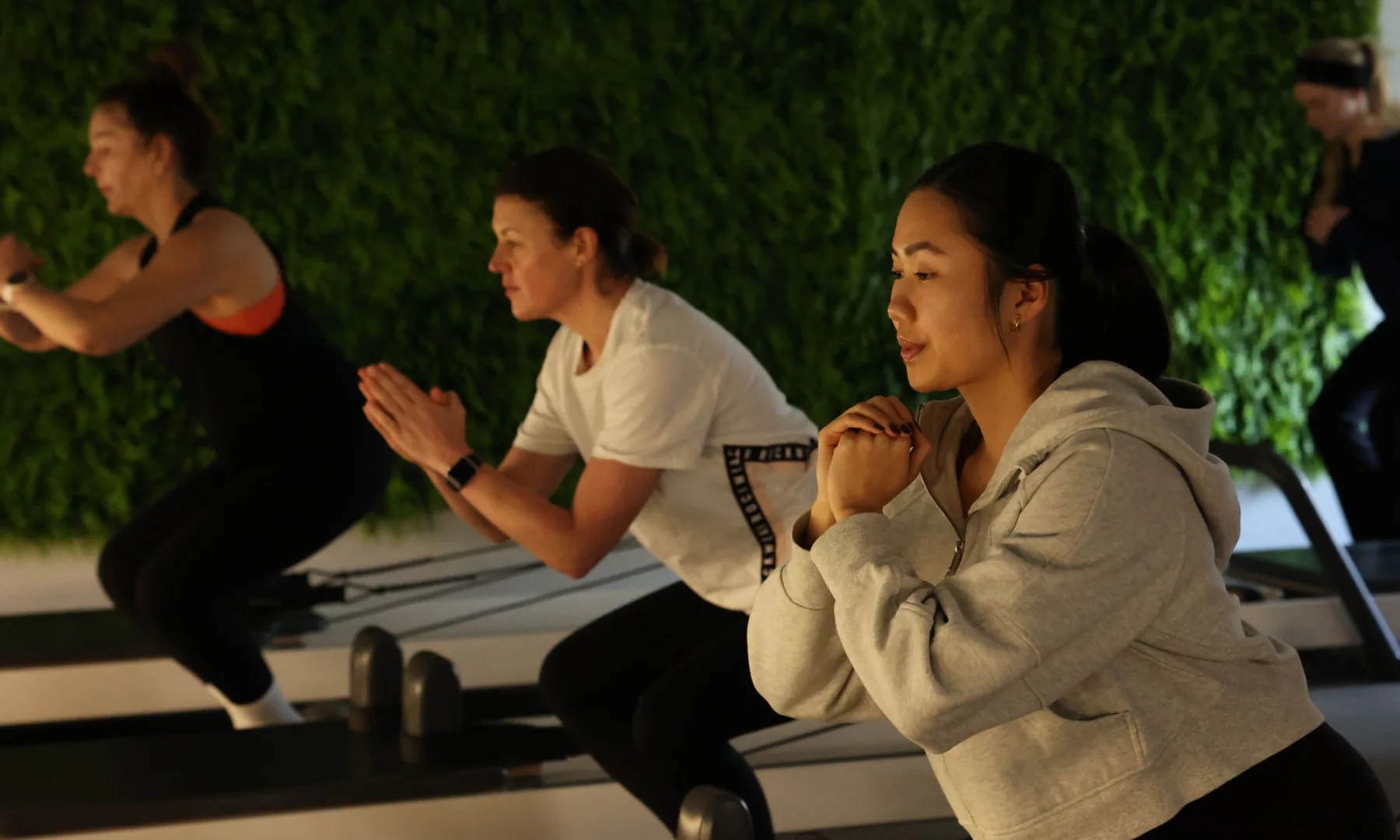
In a fitness culture that mostly sells speed, sweat and smashed sessions, our most important class is deliberately slow. Control is the slowest paced class on our timetable, and we recommend it to every new member without exception. We also keep meeting advanced members who quietly book it every single week.
That is not a coincidence. Slow is where technique gets built, and technique is where everything else comes from. Here is the case for the class that refuses to hurry.
What a Control class is
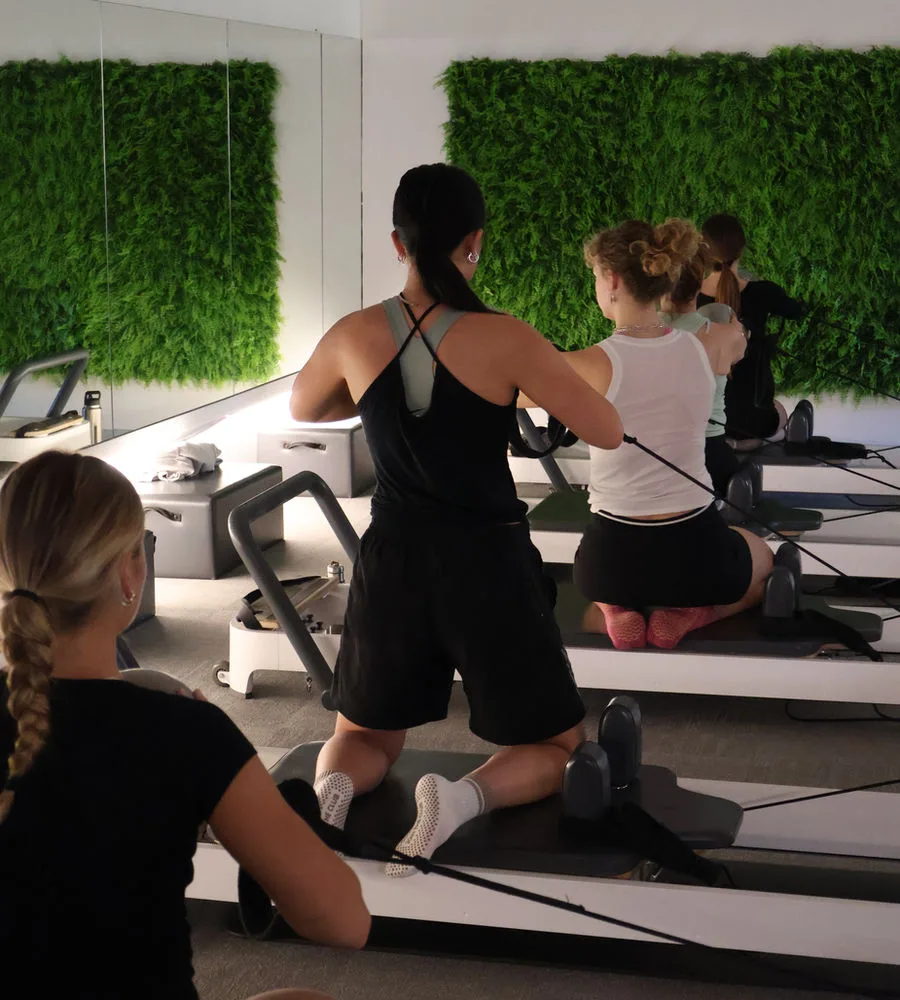
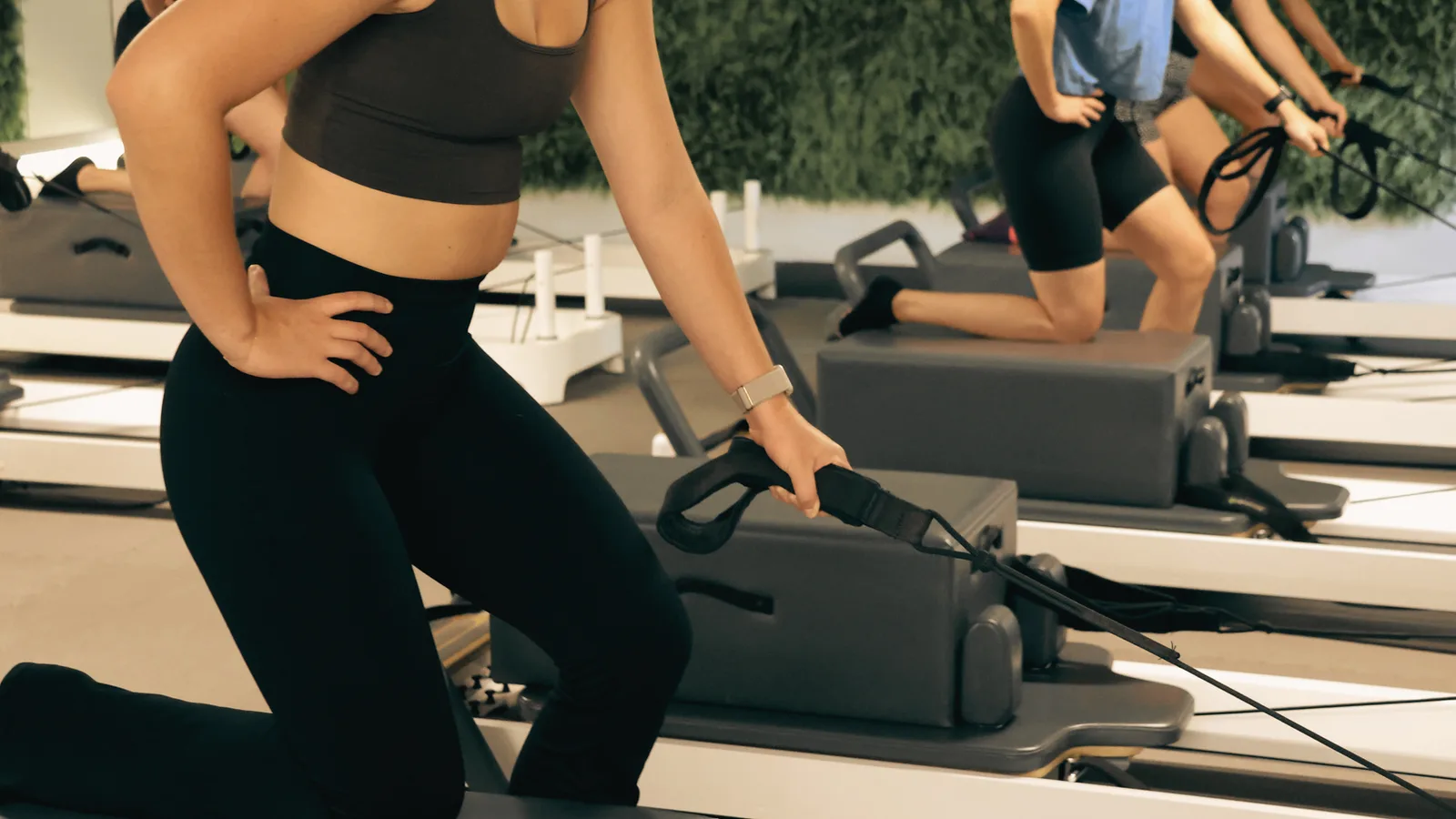
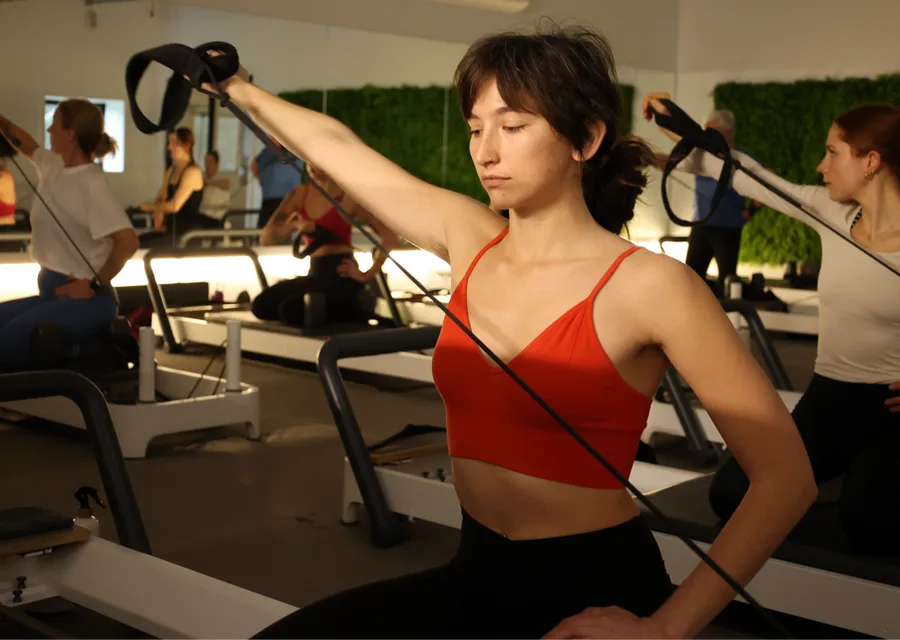
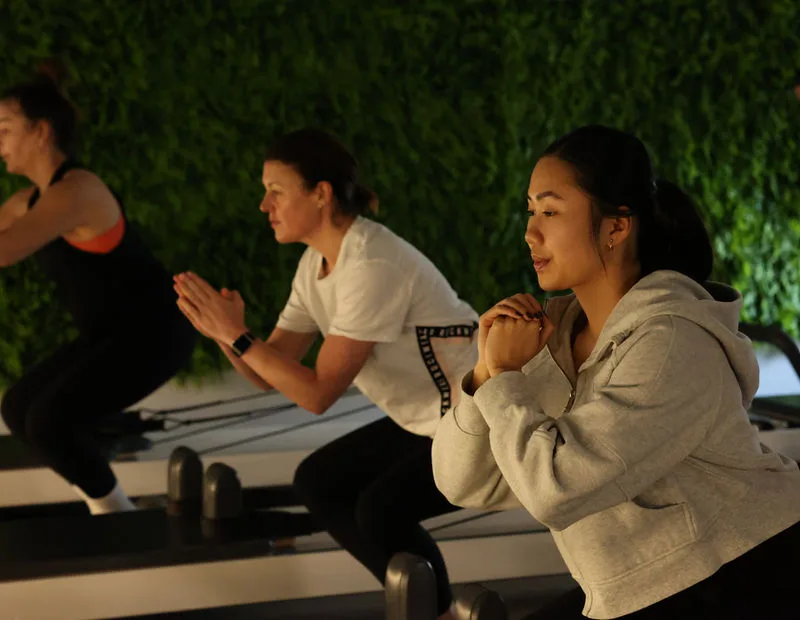
Control focuses on the finer details of Pilates: perfecting your form and the fundamental movements the whole method is built on. Exercises begin simply and build step by step through the session, so your body learns each layer before the next one arrives.
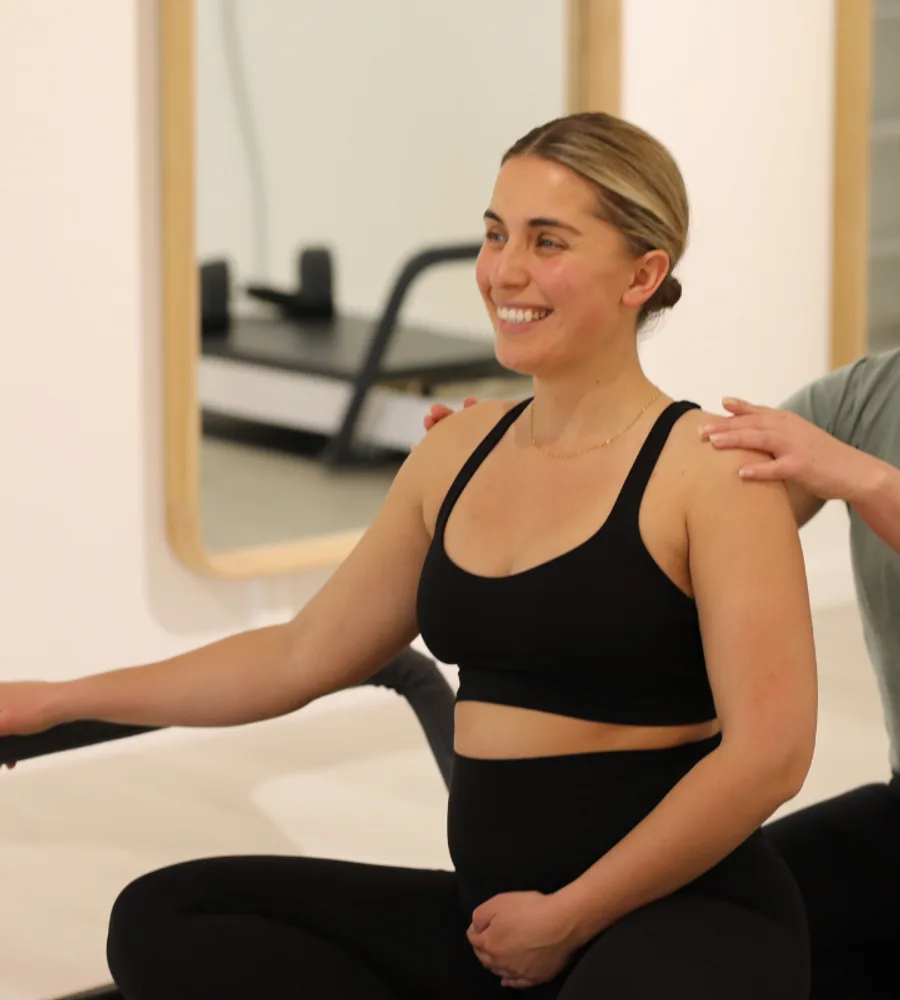
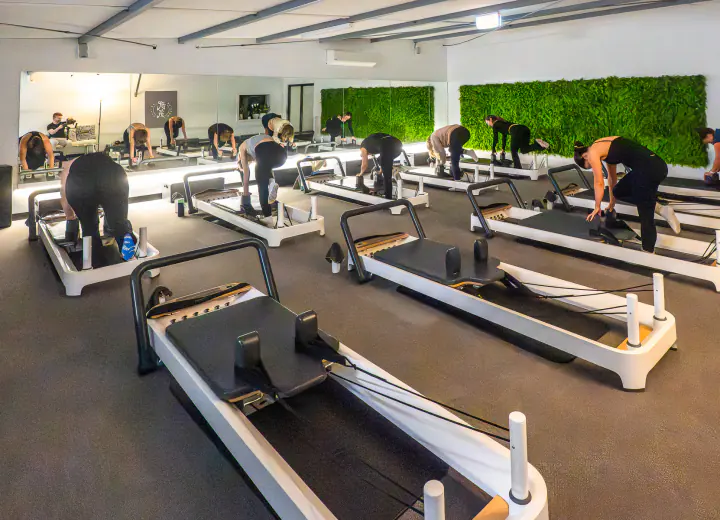
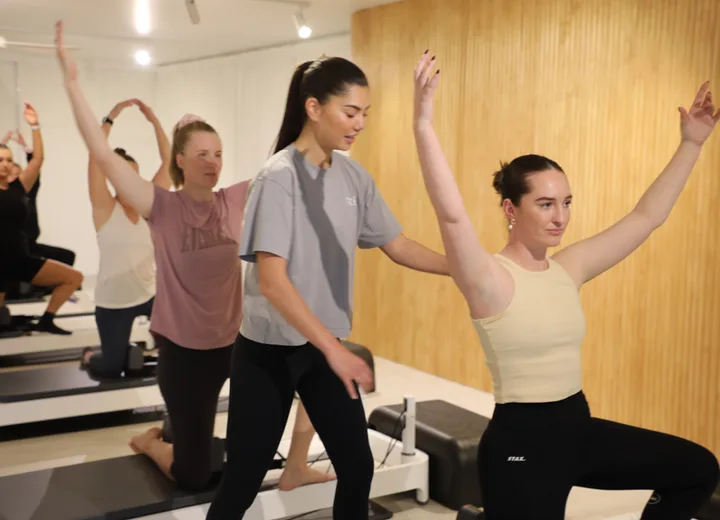
At this pace, things become possible that a fast class cannot offer. You have time to actually feel where an exercise is working, instead of discovering it tomorrow. Your instructor has time to walk the room, watch each person's movement and refine it individually, which is precisely why our classes stay small at both Wollongong and Shellharbour. And there is time for questions, which makes Control the class where most genuine learning happens.
If you are brand new, this is your starting point, and our guide to your first Reformer class covers the practical details.
Why slow is genuinely harder
Anyone who assumes the slow class is the easy class has not taken one. Ask your legs at minute thirty.
Speed hides weaknesses. Momentum carries you through the middle of a movement, and the middle is usually where the real work lives. Move slowly and momentum abandons you. Every centimetre of the exercise must be produced by muscle, including the ranges you would normally skip through, and the shaking that shows up is the sound of muscles meeting the parts of their job they had been outsourcing.
Slow also removes hiding places for form. At pace, a collapsing shoulder or an arching back flashes past too quickly to catch. At Control pace, you feel it happen, your instructor sees it happen, and you get to fix it in real time. That feedback loop, repeated for 45 minutes, is the fastest route to good movement we know.
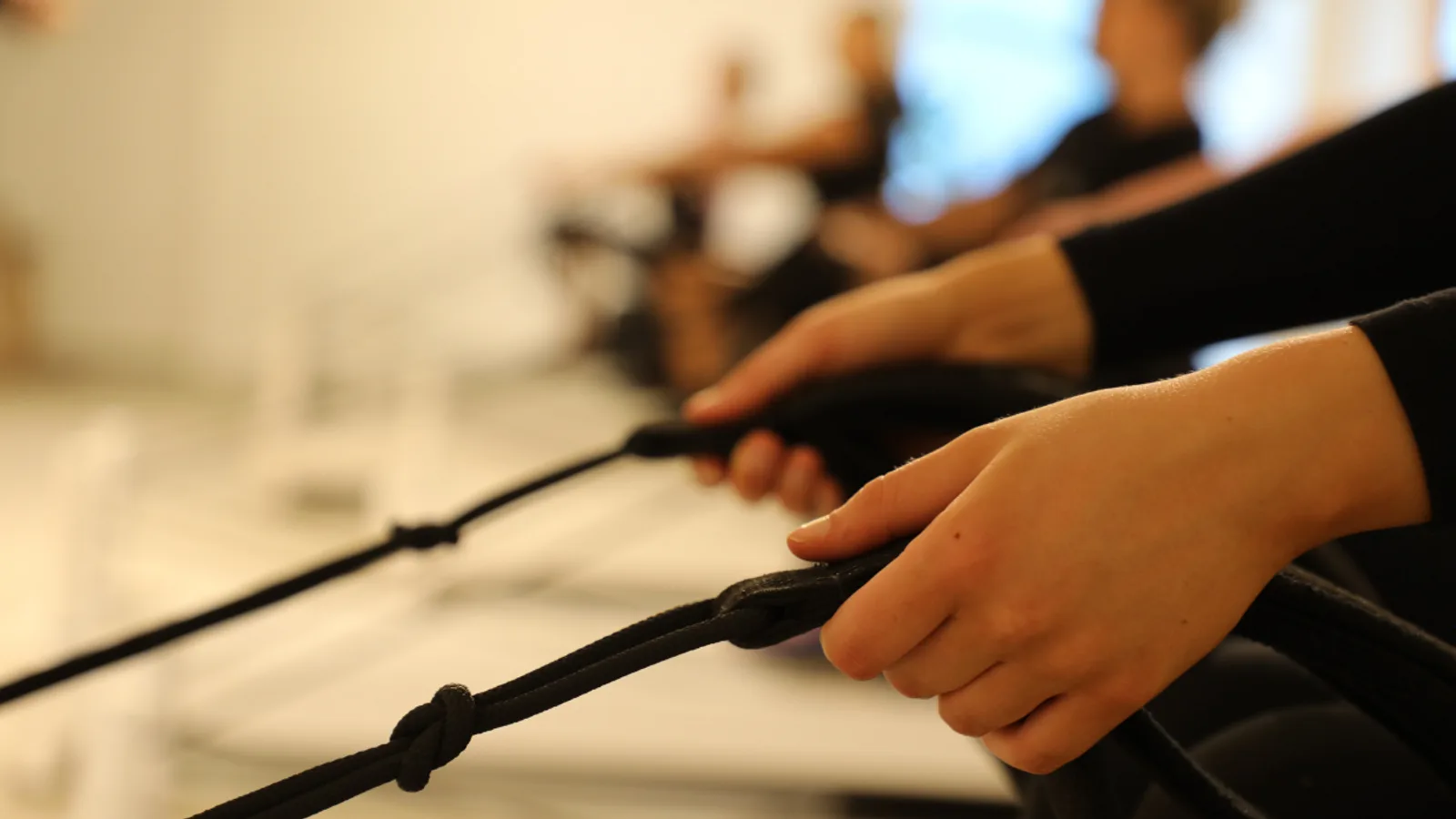
There is a strength science angle too. Longer time under tension is a well established driver of muscle development, and controlled slow reps maximise exactly that. The springs make it worse, in the best way, since they demand control in both directions. Nothing about slow is soft.
The foundations that pay forever
Every class on our timetable draws on the same vocabulary: a stable centre, honest breathing, precise positions, controlled transitions. Control is where that vocabulary is learned properly.
Members who invest a few weeks here before moving up tend to have a very different experience of the rest of the timetable. Flow feels flowing instead of frantic, because the fundamentals are automatic and attention is free for the workout itself. Tempo becomes available sooner, since our fastest class assumes technique that no longer needs thinking about. Even Jump improves, because spring loaded landings reward the aligned, controlled legs that Control built.
Skipping foundations works the way it does in house building. Fine for a while, expensive later. The member who rushed to fast classes in week two usually plateaus in month three, then comes back to Control to fix the gaps anyway. The direct route was the slow one all along.
Why the advanced members keep coming back
Walk into any Control class and you will find members who could handle our hardest sessions, moving with the beginners, working just as hard. Ask them why and you get versions of the same answer: this is the class where they improve.
Elite practice in every field looks like this. Musicians drill scales slowly. Athletes rehearse fundamentals endlessly. Mastery is mostly a return to basics with better attention, and Pilates is no different. There is always another layer of precision to find in a movement you have done a thousand times, and slow is the only speed at which you can find it.
Control is also simply what some weeks call for. After travel, after illness, after a stressful stretch, or during recovery from harder training, a precise, considered class rebuilds you without flattening you. Plenty of members alternate hard weeks and Control weeks by design.
Who should book it
Everyone, at some point, but especially:
- Complete beginners, for whom it is the designed entry point.
- Anyone returning after a break, injury or pregnancy, with your instructor guiding modifications.
- Desk workers whose bodies need waking rather than smashing, as we cover in the desk worker's guide.
- Fast class regulars whose progress has stalled. The missing piece is usually back here.
- Anyone who wants to understand Pilates rather than just survive it.
Slow down to speed up
Control runs throughout the week at both studios, mornings from 5:45am and evenings after work, and your membership covers both locations. If you are starting out, make it your first booking. If you have been racing through Flow and Tempo for months, book one Control and notice what it finds.
The 21 day trial, $65 for unlimited classes across three weeks, is the perfect window to build foundations properly. Start slow. It is the fastest way forward we have ever found.