


Getting Started · 27 September 2026 · 4 min read
Six ways to move: how to pick your first TPW class
Control, Flow, Tempo, Jump, Yoga or Stretch. A friendly guide to where to start.
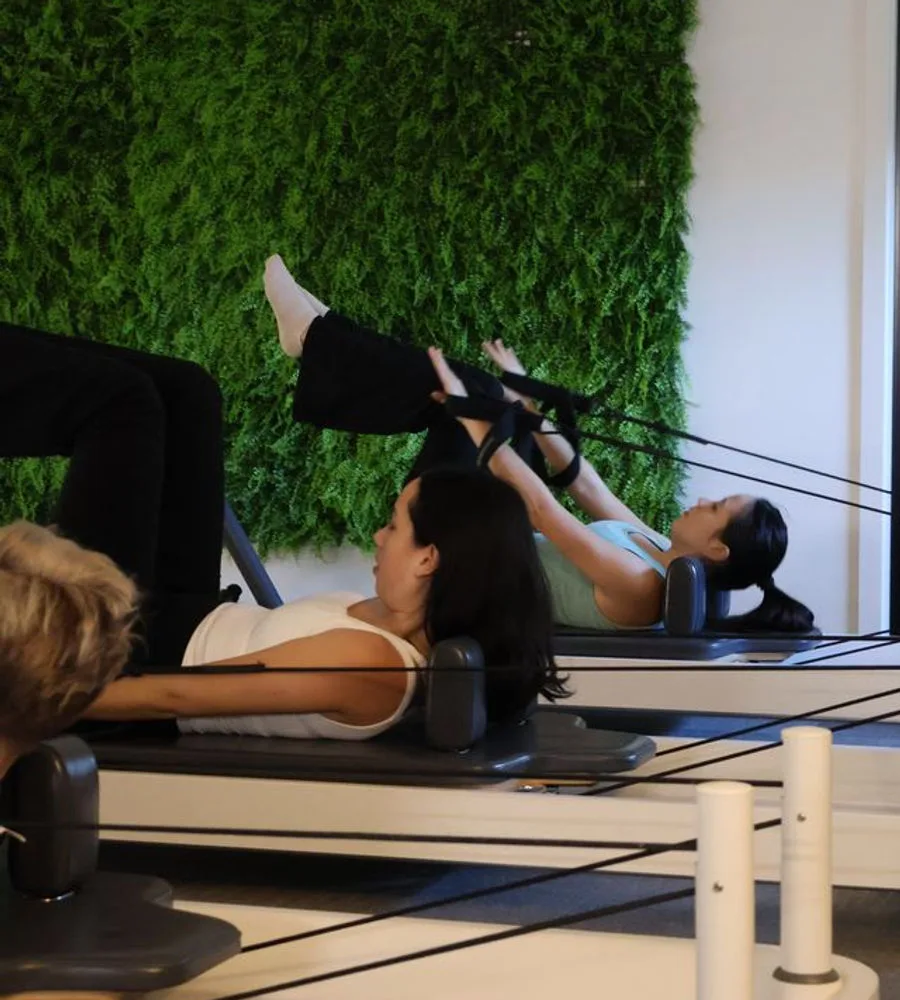
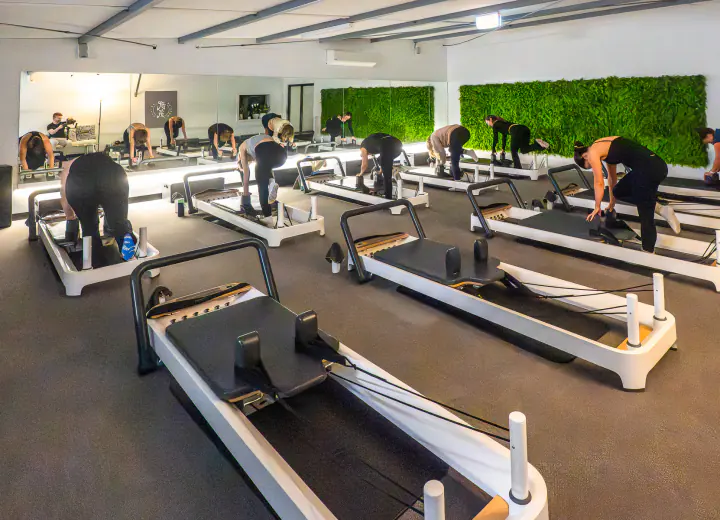
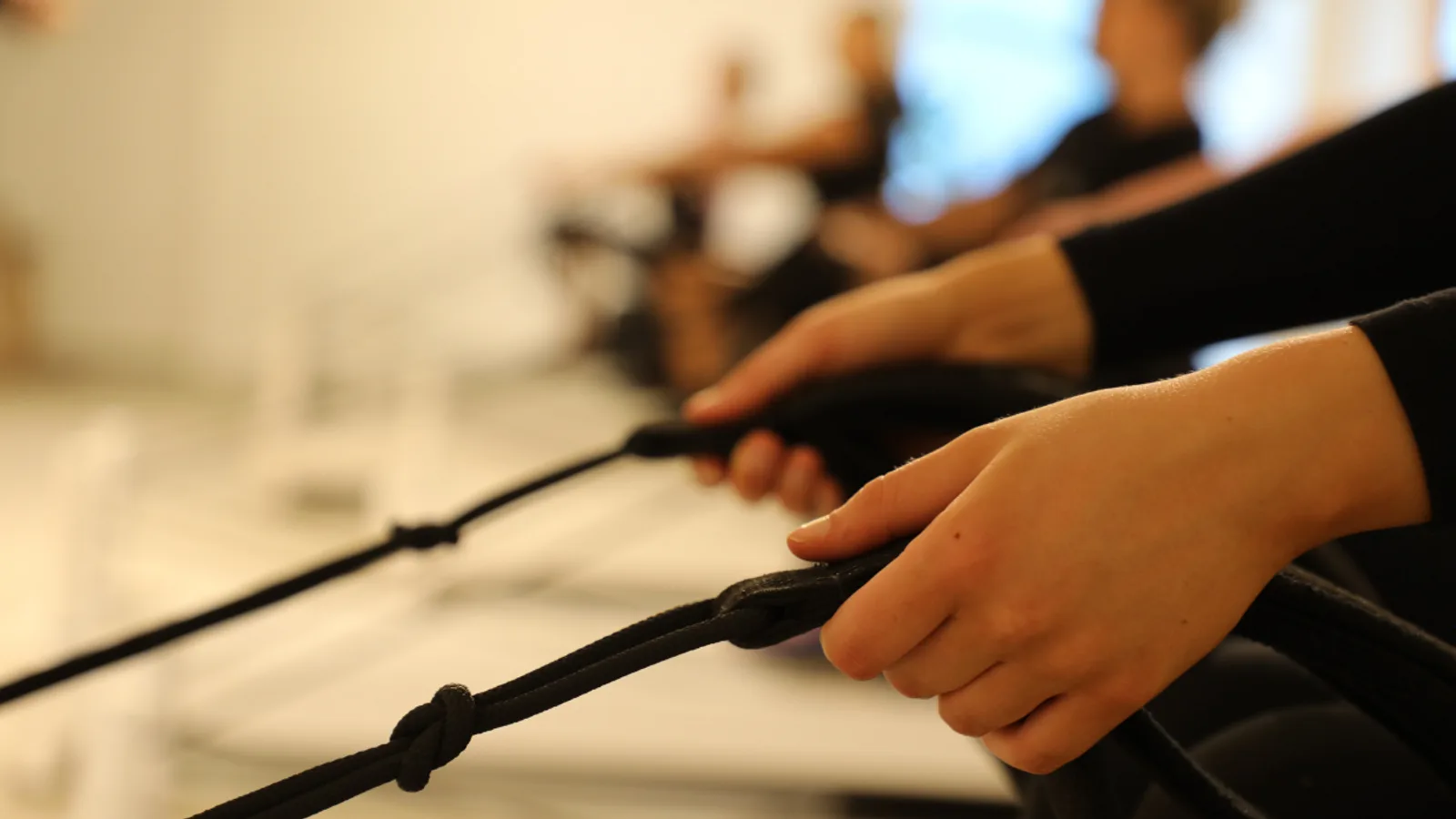
Open our timetable for the first time and you will meet six class names: Control, Flow, Tempo, Jump, Yoga and Stretch. They are short names that do not explain themselves, so here is the honest guide to what each one is, who it suits and where to begin.
Think of the six as a family rather than a menu of rivals. Most long term members settle into a weekly mix of two or three, because the styles are designed to complement each other.
Control: where everyone should start
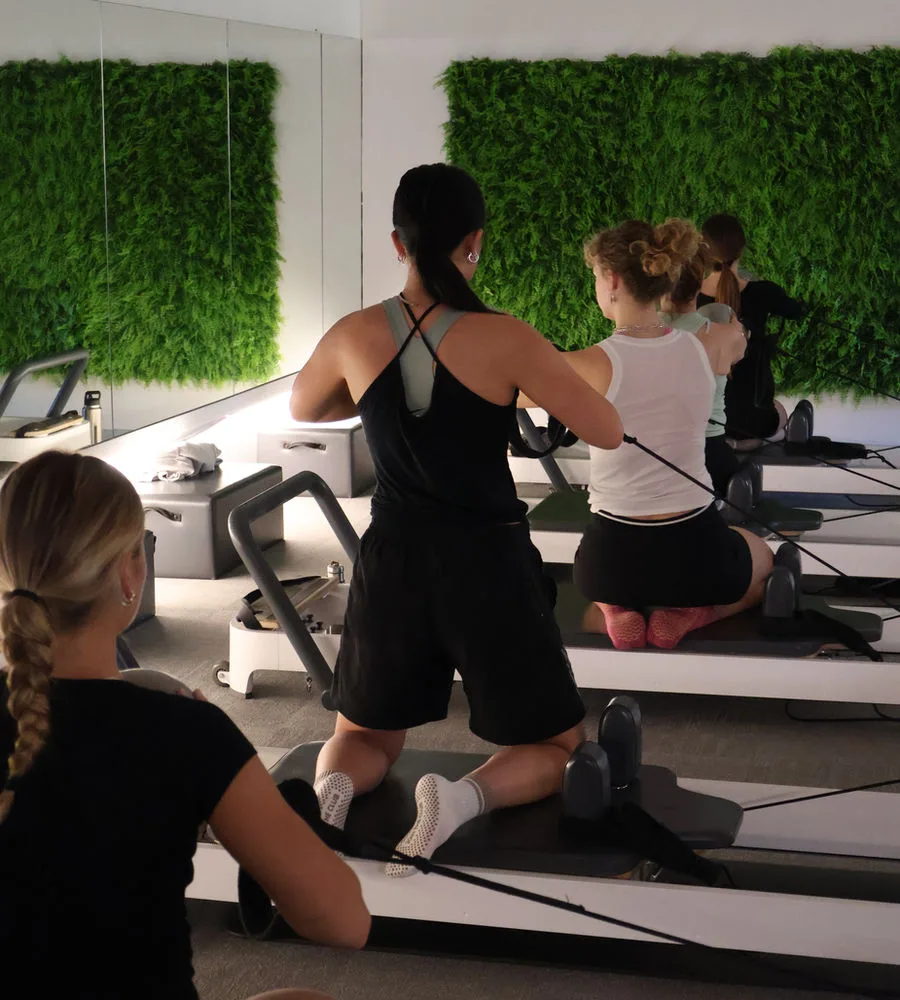
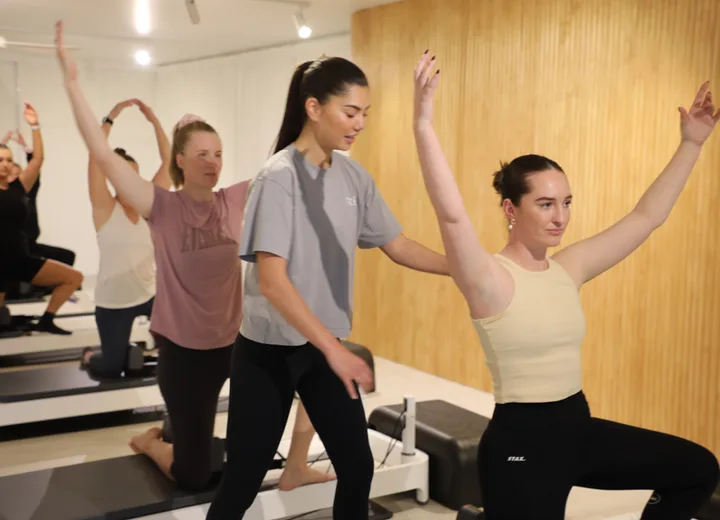
Control is our slowest paced class, and slow is the feature, not the compromise. The focus is on perfecting form and the fundamental movements of Pilates. Exercises are built up step by step, with time to ask questions and get the details right.
Start here for your first classes, whatever your fitness background. Fit people are often surprised by how much a slow, precise class asks of them, and the technique you build in Control makes every other class on the timetable work better. It is also the natural home for anyone managing a niggle, returning after a break, or simply preferring a considered pace.
Plenty of advanced members still book Control every week. Slowing down is where technique gets honest, which is why we wrote a whole article on why Control builds the best foundations.
Flow: the go to full body workout
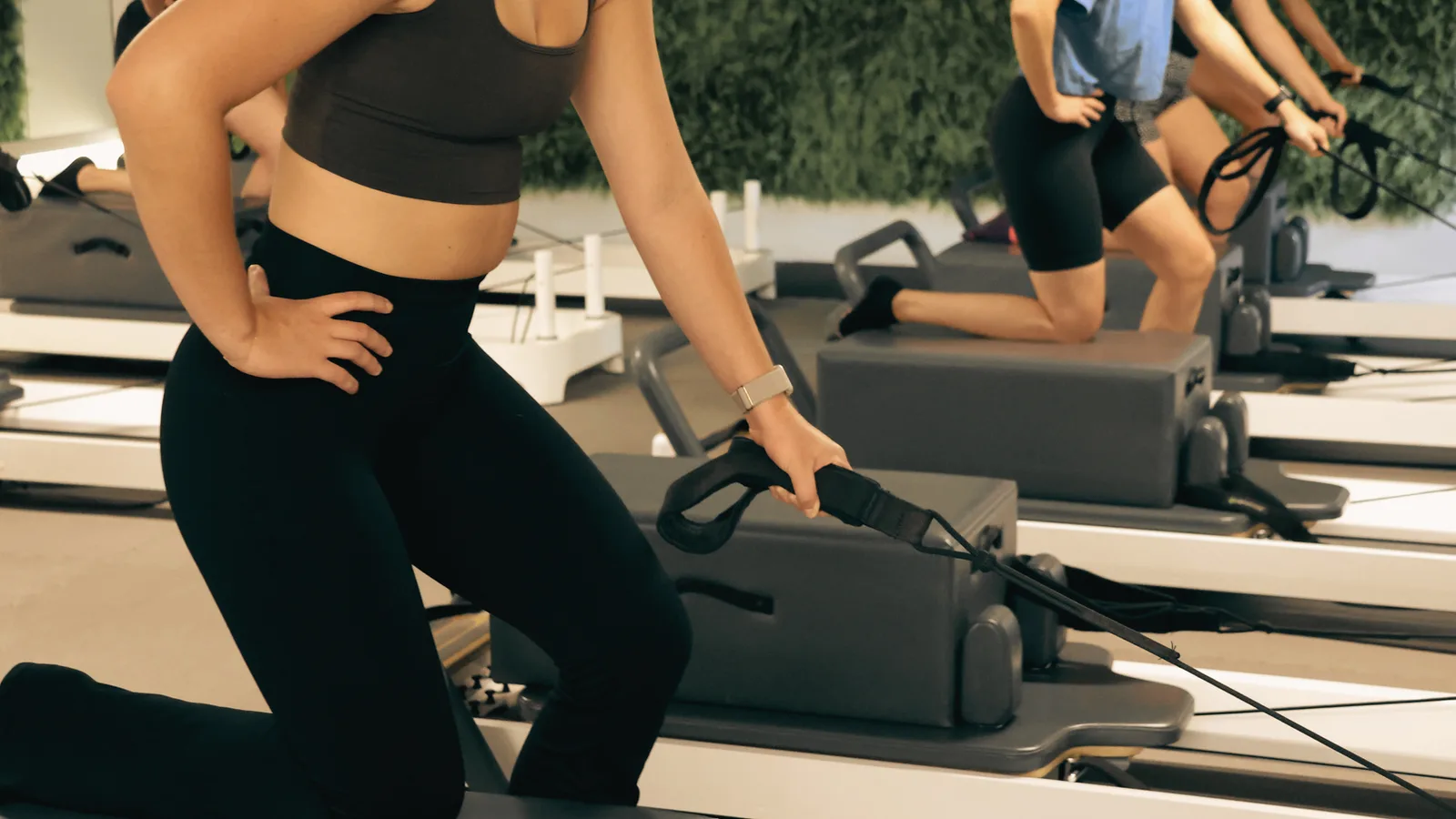
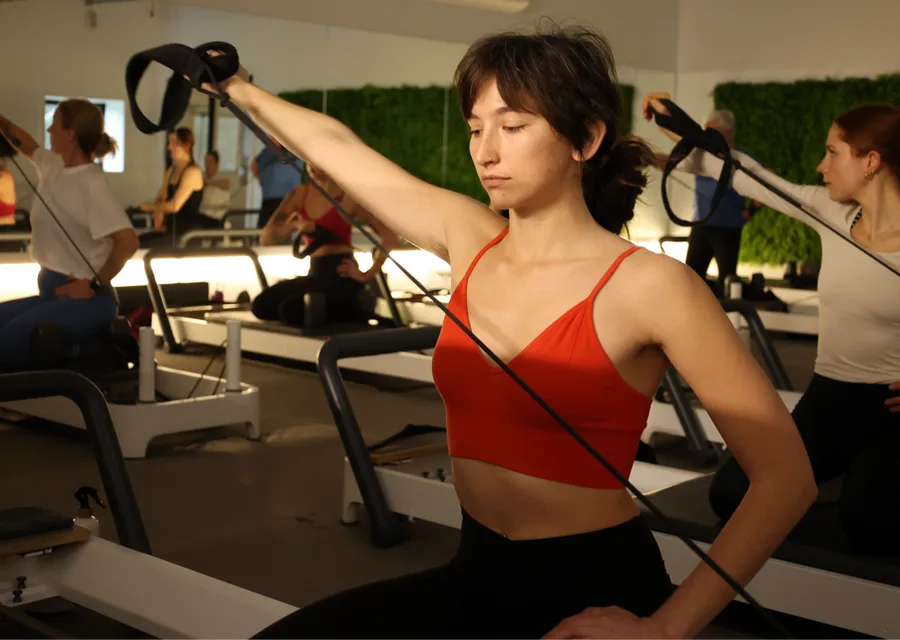
Flow is the heart of the timetable, a medium paced, full body Reformer session taught with real attention to detail. Once you feel confident on the machine, this becomes your staple: enough pace to feel like a proper workout, enough coaching to keep your form improving.
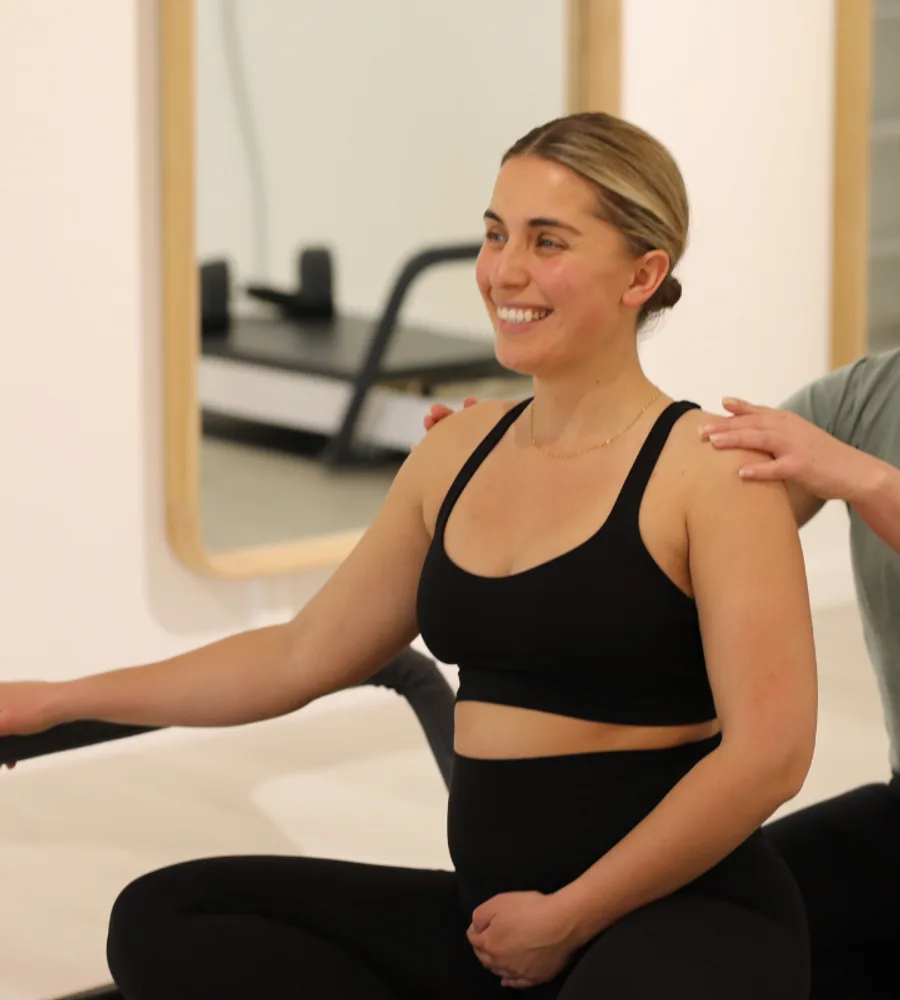
If you can only fit two classes a week, a common recipe is one Flow plus one of anything else. It is also the class we run in a Mums and Bubs friendly format, where your little one is welcome in the room with you.
Tempo: the fast one
Tempo is our fastest class, with complex flows, harder transitions and every muscle recruited. It is deliberately not for beginners, and that is not gatekeeping. At speed, you need technique that is already automatic, otherwise you spend the class surviving rather than training.
The right time to try Tempo is when Flow classes start feeling comfortable and your instructor stops correcting your fundamentals. Ask them straight out if you are ready. They will give you an honest answer, and there is a good chance they will be delighted you asked.
Jump: cardio without the impact
Jump classes attach a padded board to the Reformer, and you jump against the spring resistance while lying down. It is the closest thing Pilates has to a party trick, and it is always a crowd pleaser.
The clever part is what your joints do not feel. Because the springs absorb the landing, you get genuine cardio, quick feet and leg power with a fraction of the impact of jumping on ground. Runners love it, people with cranky knees love it, and anyone who finds traditional cardio boring tends to convert on the spot. All levels are welcome, and we cover the details in our Jumpboard guide.
Yoga: the other half of the practice
Our Yoga classes trade the Reformer for the mat, pairing mindful movement with breathwork. If Pilates trains precision and strength, yoga brings length, balance and a calmer nervous system, which is exactly why the two live so well on one timetable.
Members often use Yoga as their mid week reset between harder sessions. If you are wondering how the two methods fit together, we compare them properly in Pilates and yoga: the differences and the overlap.
Stretch: the recovery session
Stretch is long holds, deep release and a slower pace, aimed at unwinding tight hips, shoulders and backs. It is the class people think they do not have time for, right up until they try it and realise it is the reason their harder sessions started improving.
Book Stretch after a heavy week, alongside a training block, or any time your body feels like a rusty hinge. Desk workers, this one was practically built for you.
Building your first fortnight
If you like a plan, here is one that works well on the 21 day trial:
- Week one: two Control classes, plus a Stretch if you are keen.
- Week two: one Control, one Flow, and Yoga or Stretch.
- Week three: two Flows, plus a Jump for fun, and see what your body asks for.
By the end you will have met most of the timetable and you will know, from experience rather than guesswork, which mix suits your body and your week. Remember your membership works across both studios, so a Wollongong local can grab a Shellharbour class when the time suits, and vice versa.
The short answer
Start with Control. Graduate to Flow when you feel confident. Add Jump when you want your heart rate up, Tempo when your technique is automatic, and keep Yoga and Stretch in the rotation so your body keeps absorbing all the work.
The timetable has live availability for both studios, mornings from 5:45am and evenings to fit around work. Pick a Control class, and welcome to the family of six.