



Benefits of Pilates · 18 November 2026 · 5 min read
Why your muscles shake in Pilates (and what it is building)
The famous Pilates shake is your muscles working near their limit. What causes it, and the endurance it builds over time.
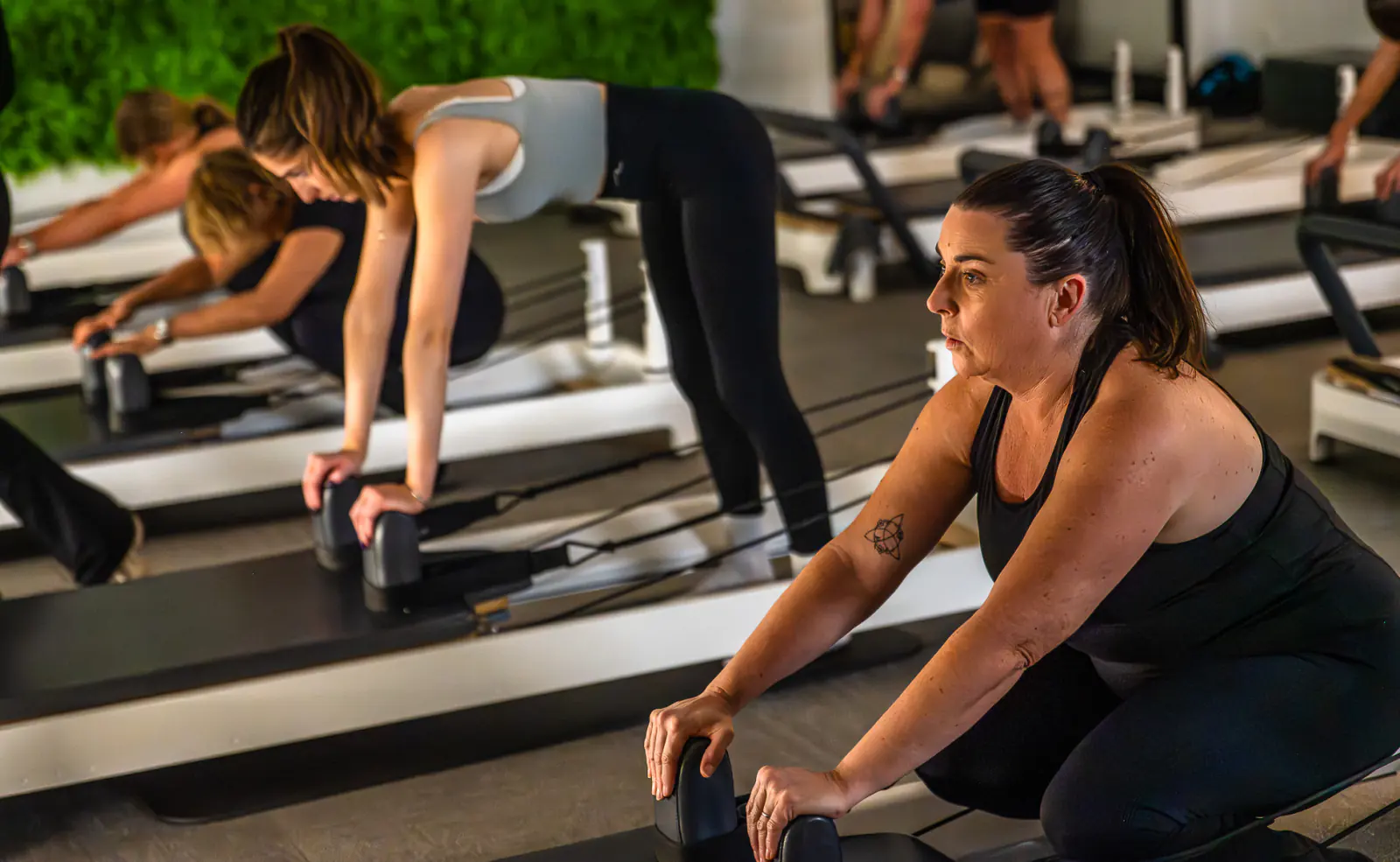
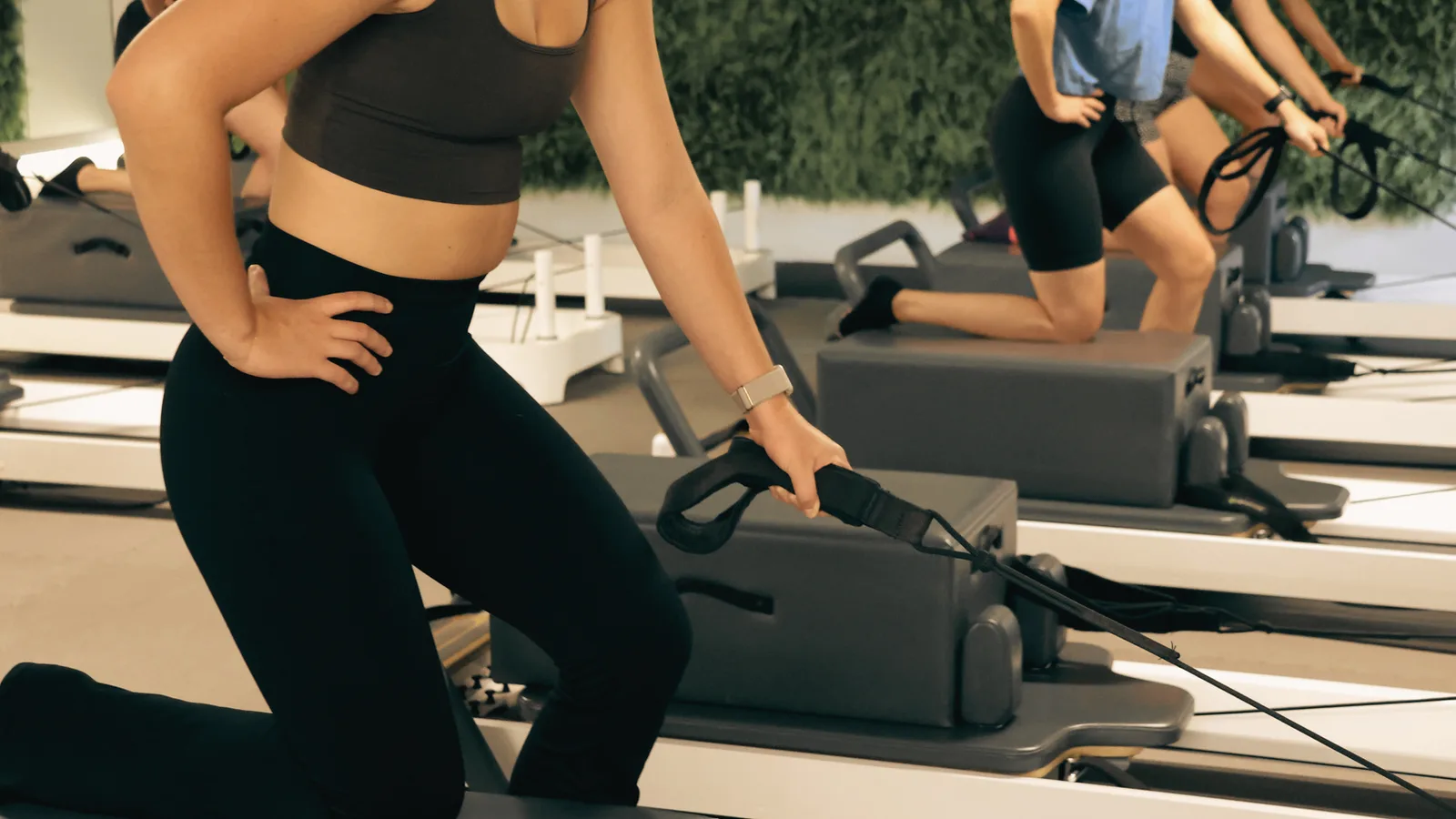
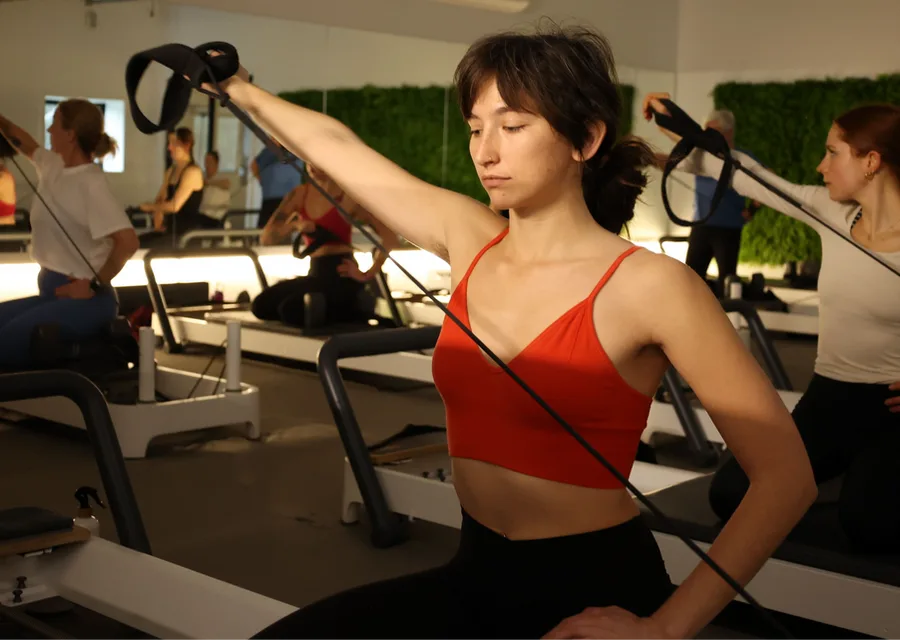
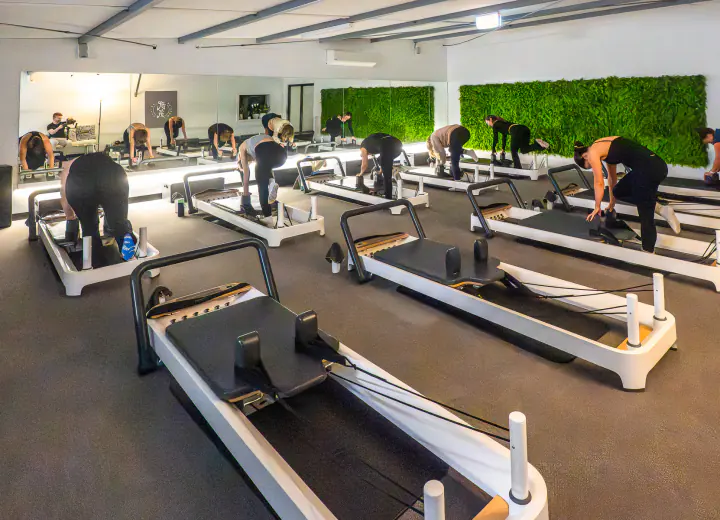
Somewhere around the middle of your first Reformer class, it happens. You are holding a plank on the carriage, or lowering slowly through a leg exercise, and your muscles start to tremble. Sometimes it is a small flutter. Sometimes your whole leg shakes hard enough for the person on the next Reformer to see it.
The shake is so common in Pilates that it has become a bit of a badge of honour. It is worth understanding what is going on, because it tells you a lot about what the method is building in your body. Mostly, it is a good sign.
What causes the shake
Every muscle is made up of many small groups of fibres, each switched on by a nerve. When you ask a muscle to work, your nervous system switches on some of those groups. As the effort goes on and the first groups tire, your brain recruits fresh ones to keep the movement going.
Under sustained effort, that hand-over isn't perfectly smooth. Groups of fibres switch on and off at slightly different times, and the result is a visible tremor. The muscle is still doing its job. It is simply working close to the edge of its current capacity, and the shake is what that looks like from the outside.
A few things make it more likely in Pilates than in many other workouts.
Time under tension
Pilates exercises are slow and continuous. Rather than a quick lift followed by a rest, you keep muscles working for the whole set, often for longer than you would in a typical gym exercise. The total time a muscle spends under load is high, and that is the condition that brings on fatigue.
Controlled lowering
On the Reformer, the return is as important as the push. When the springs pull the carriage home, your muscles have to resist and control it. That lengthening work, called eccentric work, is demanding, and it often produces the biggest shakes.
Small stabilising muscles
The carriage moves, so the deep muscles around your hips and spine have to hold you steady. These muscles are often under-trained at the start, which means they tire quickly and are the first to tremble.
What the shake is building
The main quality you are training when you shake through a long set is muscular endurance. Strength is how much force a muscle can produce. Endurance is how long it can keep producing a useful amount of force before it fades.
Endurance is easy to overlook, but daily life is full of it. Holding good posture through an eight hour work day is an endurance task for the muscles of your back and trunk. Paddling out at North Beach depends on muscles that keep going without giving up early, and so does an afternoon of gardening.
Over weeks of regular classes, your muscles adapt. They get better at using oxygen, they recruit fibres more efficiently, and your nervous system learns to coordinate them more smoothly. The practical result is simple. The exercise that made you shake in week two feels steady by week eight, and your instructor adds a spring or a harder variation to bring the challenge back.
That cycle of effort and adaptation, followed by a fresh challenge, is what keeps Pilates progressing for years. It is also why the method suits such a wide range of people. The shake is relative to you, so a beginner and an experienced member can tremble through the same exercise on different settings.
Good shake or time to stop
Shaking on its own is normal. Some sensations mean you should ease off, though, and it helps to know the difference.
Keep going, with good form, if:
- The muscle you are meant to be working feels hot and trembly.
- You can still breathe steadily and hold your alignment.
- The shake settles quickly once the set ends.
Ease off or stop if:
- You feel sharp or pinching pain, especially in a joint.
- Your form is collapsing, for example your lower back is arching off the carriage or your shoulders are hunching.
- You are holding your breath to get through it.
- You feel dizzy or unwell.
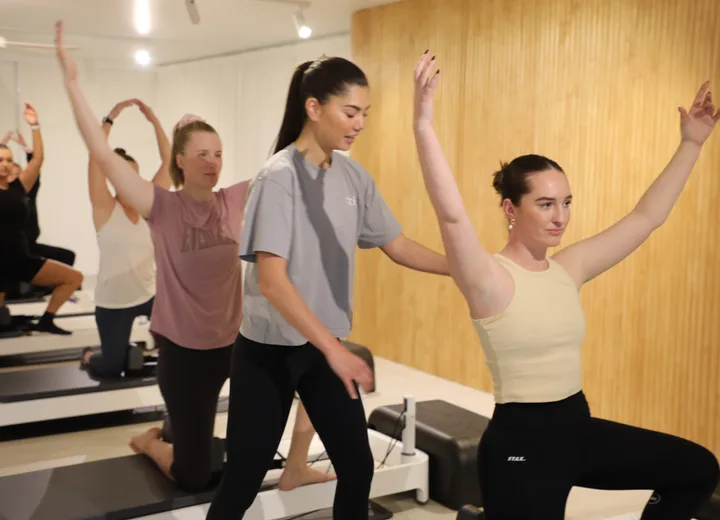
If you ease off, you haven't failed the exercise. Shortening the range or taking a short rest is smart training, and our instructors would always rather you modify than push through poor form. Tell them how you are feeling and they will give you an option on the spot. If pain continues after class, or you have an existing injury, check in with your GP or physio.
How to work with the shake
A few habits help you get the most out of those trembling moments.
- Breathe through it. The natural reaction is to hold your breath. Long, steady exhales help you stay in control and keep the muscle supplied.
- Keep the shape. A slightly smaller movement done well beats a big movement with a sagging back. Focus on alignment before range.
- Stay with it a little longer than feels comfortable. If your form is good and nothing hurts, those final few reps are often where the adaptation happens.
- Don't chase the shake. You don't need to tremble to have a good class. Slower classes like Control and Stretch build plenty without leaving you wobbling.
- Give your body time to recover. Endurance builds between sessions as well as during them. Our article on rest days that make you stronger explains why.
When the shaking fades
After a month or two of regular practice, you will notice that the shakes come later in a set, or not at all on exercises that used to wipe you out. That is your endurance improving, and it is a good moment to ask your instructor about the next step. It might be a heavier spring, or a move into a faster Flow or Tempo class.
Two to three classes a week is the frequency we suggest for steady progress, mixing studio sessions with some movement at home. Our 2 Classes a Week membership is $44 per week and Unlimited is $54 per week, both covering Wollongong and Shellharbour. You can compare the options on our memberships page.
If you haven't felt the Pilates shake yet, the 21 day trial is a good place to meet it, with three weeks of unlimited classes at both studios for $65. Book a class on the timetable and see how long your legs can hold out.