


Trending · 27 October 2026 · 6 min read
From classical to Lagree: the Pilates offshoots explained
The Pilates name now covers a lot of different styles. A plain guide to the main offshoots, how they differ and who each one suits.
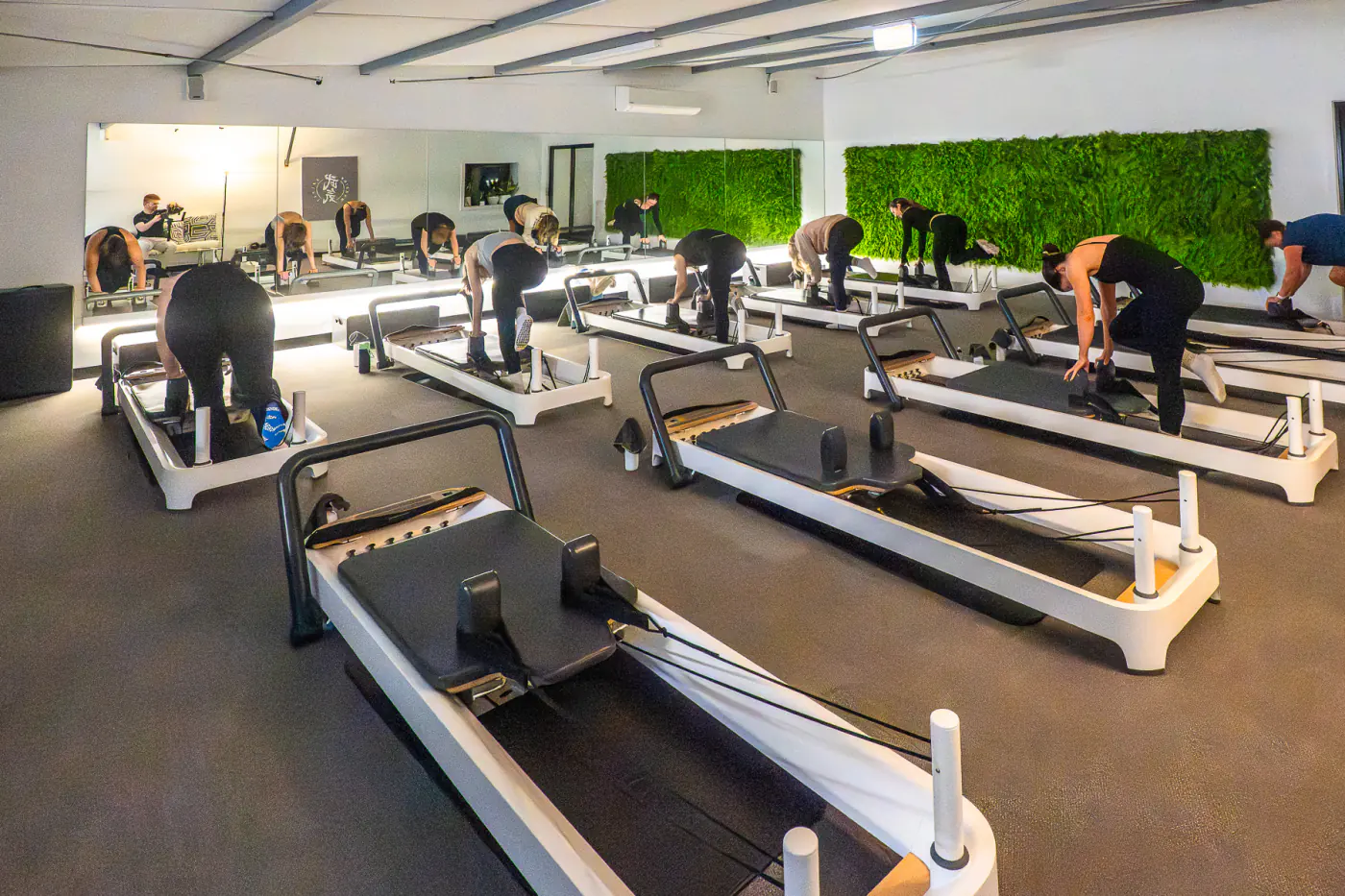
According to ClassPass, Pilates has become the most booked workout in the world. That kind of success has a side effect. The name now covers a lot of different things. In one week your feed might show you clinical Pilates with a physio, then a class on an oversized machine called a Megaformer.
They are all related, but they aren't the same, and the differences matter when you are choosing where to train. This guide explains the main offshoots in plain terms. We teach Reformer Pilates, but we are fans of anything that gets people moving well, so this is a guide rather than a sales pitch.
Where it all started
Joseph Pilates developed his method in the early twentieth century and called it Contrology. Its ideas took shape while he was interned on the Isle of Man during the First World War. After the war he moved to New York, and he opened a studio there with Clara, who taught alongside him.
In 1945 he published Return to Life Through Contrology with William J. Miller. The book sets out the original mat exercises he taught, and it is still in print. Everything that follows in this article descends in some way from that work and from the equipment he designed, including the Reformer.
Classical Pilates
Classical Pilates aims to stay close to the way Joseph Pilates taught. Exercises are performed in a set order, using his original names, with an emphasis on rhythm and flow from one movement to the next. Classical instructors often trace their training back through teachers who learned directly from him.
Who it suits: People who love structure and tradition. Because the order stays largely the same, you can see your progress clearly over time.
Contemporary Pilates
Contemporary Pilates keeps the core principles of control and precision, but updates the exercises using modern understanding of anatomy and exercise science. Instructors may change the order, add variations, use small props like balls and rings, and adjust positions to suit different bodies. Many group Reformer studios teach in a contemporary way.
Who it suits: Most people. The variety keeps classes interesting, and the flexibility makes it easier to adapt for different fitness levels and needs.
Clinical Pilates
In Australia, clinical Pilates usually refers to Pilates delivered by a physiotherapist or another qualified health professional as part of treatment. Sessions are often one-on-one or in very small groups, and exercises are chosen to address a specific injury or condition.
Who it suits: People who are managing an injury or recovering from surgery, under the guidance of their health professional. Many people move from clinical sessions into group classes once their physio is happy, and some do both.
Lagree
Lagree is a separate method created by fitness trainer Sébastien Lagree, decades after Joseph Pilates. It began with Pilates-style movement but was reshaped into something closer to strength and conditioning training. Lagree uses its own machine, the Megaformer, which is based on the Reformer but substantially modified.
Classes are typically slow and intense, keeping muscles under continuous tension with very short transitions between exercises. Lagree Fitness states plainly that Lagree is not Pilates, although its founder has said he believes in a combination of the two.
Who it suits: People who love high effort sessions and already have a solid base of strength and body control.
Hot Pilates
Hot Pilates runs mat or Reformer style classes in a heated room. Temperatures vary between studios, from warm to well over 30 degrees. Fans enjoy the sweat and the way warm muscles feel during stretching.
Heat adds extra stress to the body, though. A Cleveland Clinic sports medicine physician, speaking to CNN, warned that heated workouts can raise the risk of dehydration and heat illness, and can make some existing heart or kidney problems worse. If you try hot Pilates, drink plenty of water and step out if you feel unwell. If you are pregnant or have a medical condition, check with your GP before trying heated classes.
Who it suits: Healthy people who enjoy heat and want a sweaty session, with sensible precautions.
Wall Pilates
Wall Pilates uses a wall as a prop for mat exercises, adding something to push against and support for some positions. It took off on social media and in apps, and it is a good way to start moving at home. We looked at it in detail in wall Pilates went viral.
Who it suits: People who want a free, accessible way to start at home, or a supplement between studio sessions.
Mat versus Reformer
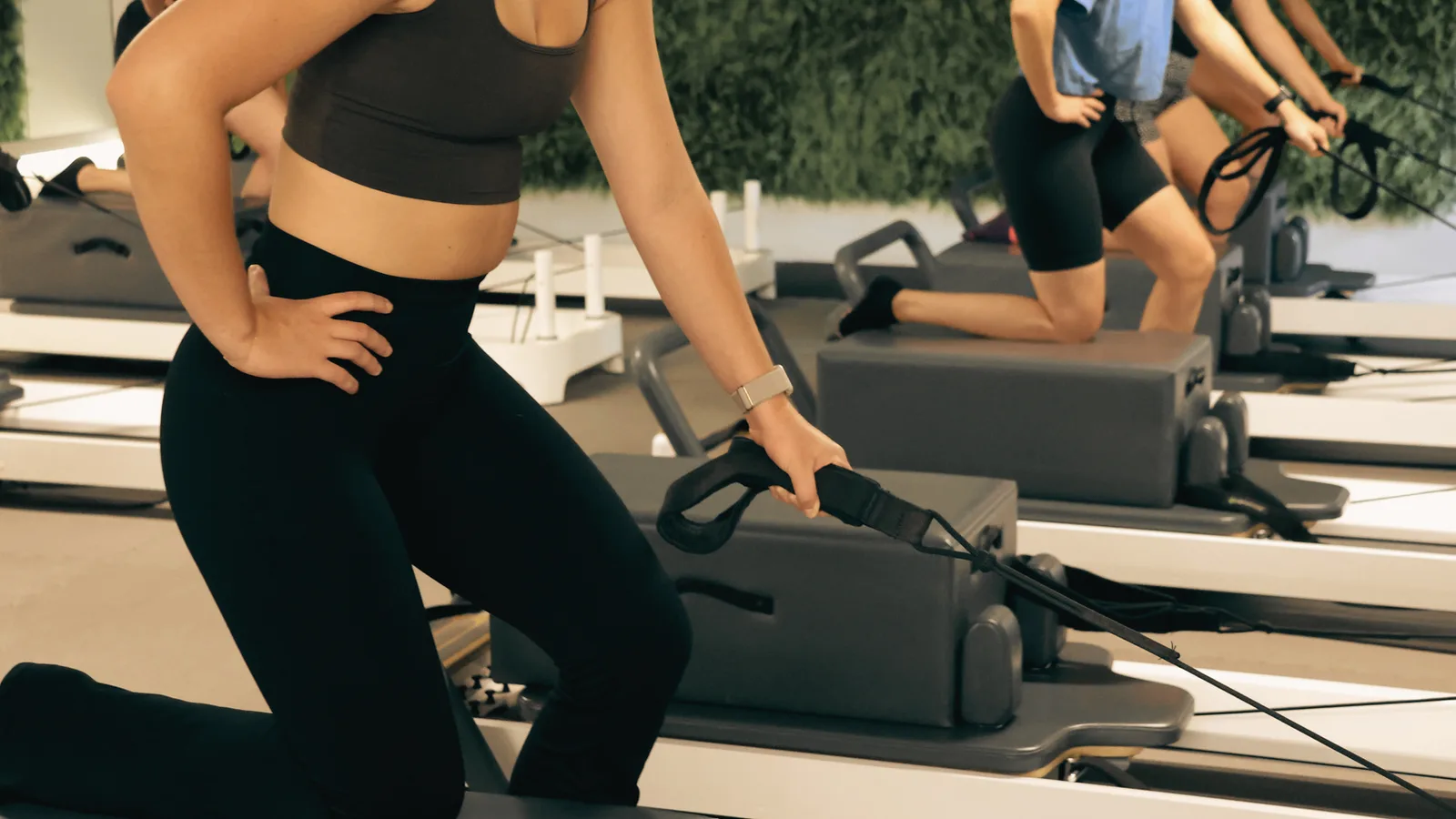
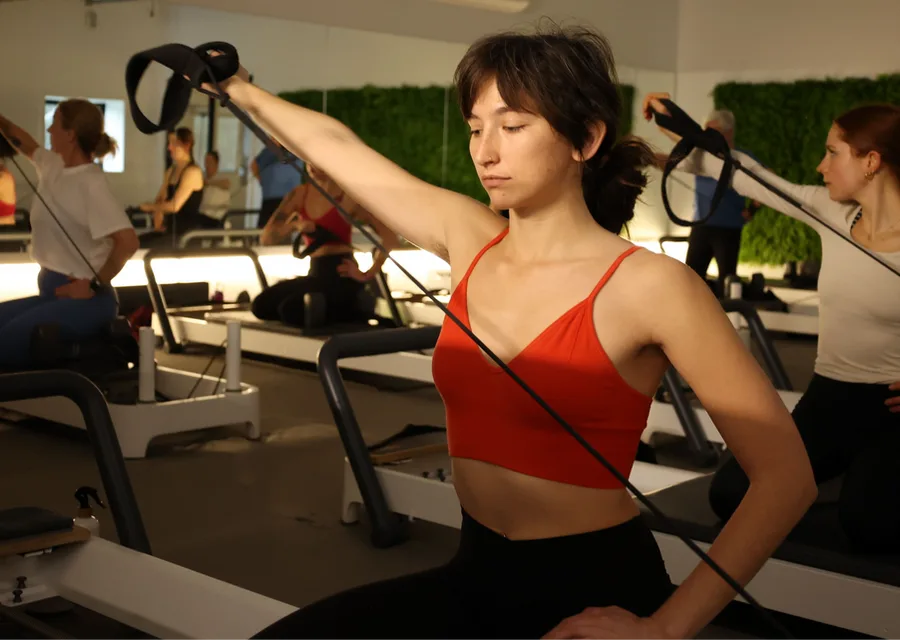
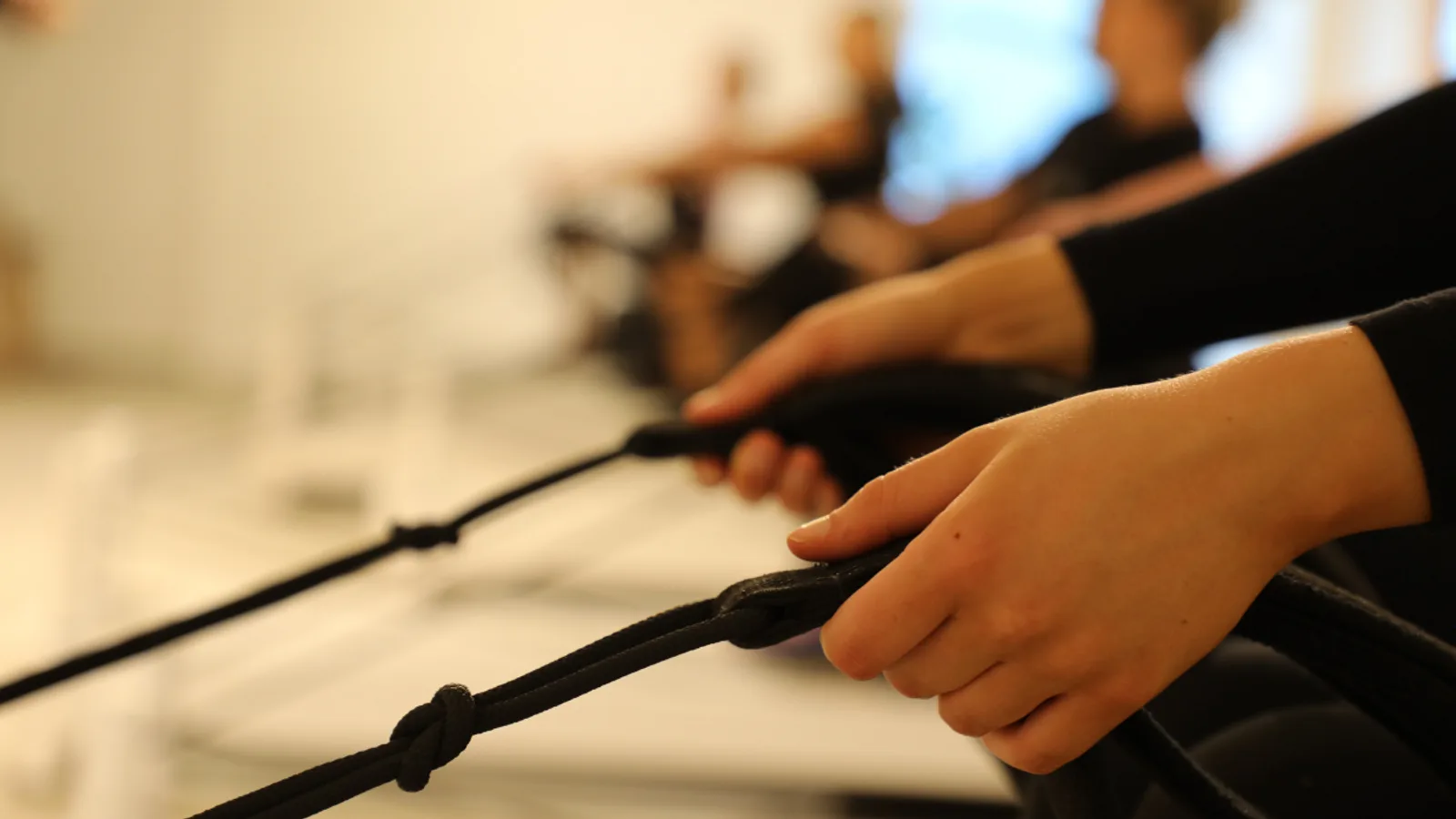
Underneath all these styles is a simpler choice. Mat Pilates uses your body weight and sometimes small props. Reformer Pilates uses the machine's springs and moving carriage to add resistance or support. Both are genuine Pilates. The Reformer makes it easy to scale exercises up or down, which is a big reason it has become so popular in group studios.
How to choose
Ask yourself a few questions:
- What do I want from it? Rehab and a hard sweat point towards very different styles.
- Do I have an injury or condition? Start with your GP or physio, and consider clinical Pilates if they suggest it.
- How much coaching do I want? Small classes with instructors who correct your form make a big difference, especially in your first few months.
- What will I keep doing? The best style is the one you enjoy enough to do twice a week for years.
Can you mix styles?
Yes, and plenty of people do. Someone might see a physio for clinical sessions while their back settles, then join group Reformer classes once they are cleared. Others do a heated mat class on the weekend and Reformer during the week. The principles of control and good alignment carry across, so time in one style usually makes you better at the others. Just let each instructor know what else you are doing.
Where TPW fits
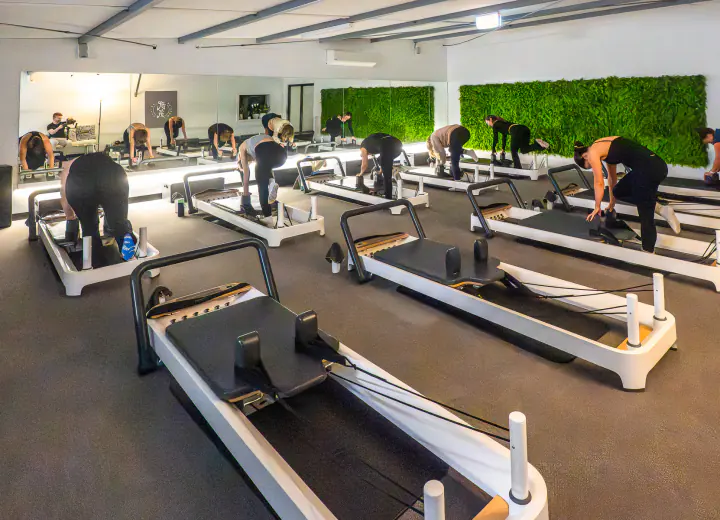
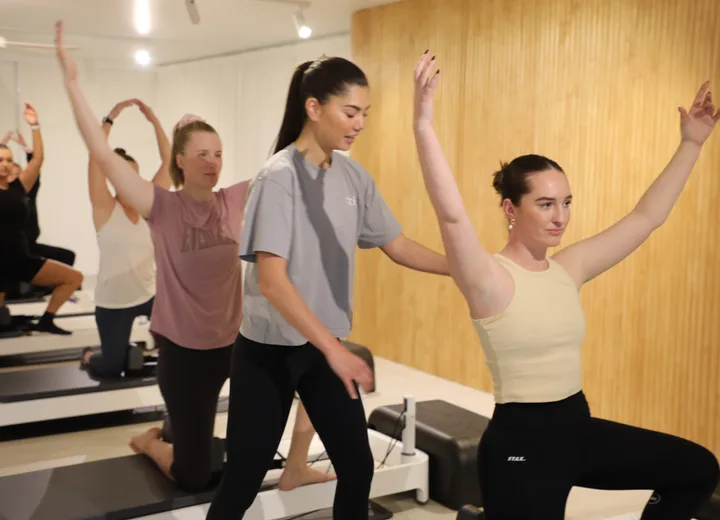
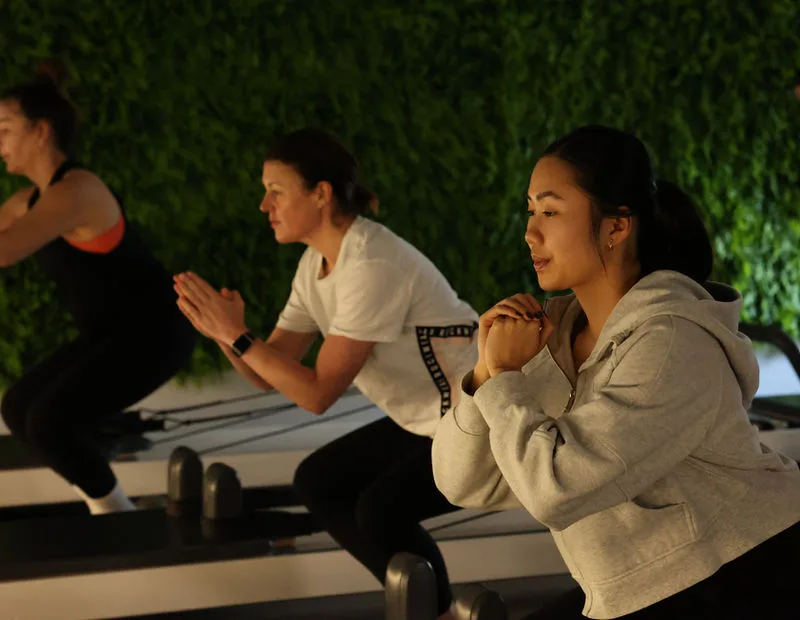
We run Reformer group classes at our Wollongong and Shellharbour studios in six styles. Control is our slowest class and the best place to start. Flow is our full body staple, Tempo is our fastest class for experienced members, and Jump adds cardio on the jumpboard. We also run Yoga and Stretch sessions for mobility and recovery. Classes are small and coached, and our instructors watch your technique throughout. You can read about each style on our classes page.
If you would like to try our style of Pilates, the 21 day trial gives you unlimited group classes at both studios for $65, with no membership and no lock-in. Book a Control class on the timetable and see how it compares with whatever your feed has been showing you.