

Moving Well · 20 November 2026 · 5 min read
Why rotation belongs in your week
Most workouts move you forwards and backwards. Why turning your trunk matters, and how Pilates teaches you to twist well.
Think about the last time you reversed out of a car park. You turned to look over your shoulder and maybe reached an arm across the passenger seat, twisting your trunk to see through the back window. Now think about the last time you trained that movement on purpose.
For most people the answer is never. Walking and running move you forwards. So do cycling and most gym machines. Turning your trunk is one of the most common movements in daily life, and it gets left out of most exercise routines. This article looks at why rotation matters and where it comes from in your body, along with how to train it well.
Rotation is everywhere in daily life
Once you start noticing it, you see rotation constantly. You twist when you reach into the back seat for a bag or check over your shoulder before changing lanes. Sport is full of it too, from swinging a golf club to paddling a board. Home life adds plenty more, whether you are throwing a ball for the dog or carrying a toddler on one hip.
When the spine turns freely, these movements feel easy. When it is stiff, the body finds the turn somewhere else. People often twist more through the lower back or the neck. Others turn their whole body around in one stiff piece, which can leave those areas feeling overworked.
Where the twist should come from
Your spine does not rotate evenly along its length. The lumbar spine in your lower back is built mostly for bending forwards and backwards, and it allows only a small amount of rotation. The thoracic spine is different. It runs through your upper and middle back where the ribs attach, and it is designed to rotate much more. Your hips also contribute a lot by turning the pelvis over the legs.
That means good rotation usually comes from the middle back and the hips working together, with the lower back staying relatively steady. Long hours of sitting tend to stiffen the middle back. The lower back and neck are then often asked to make up the difference.
How Pilates trains rotation
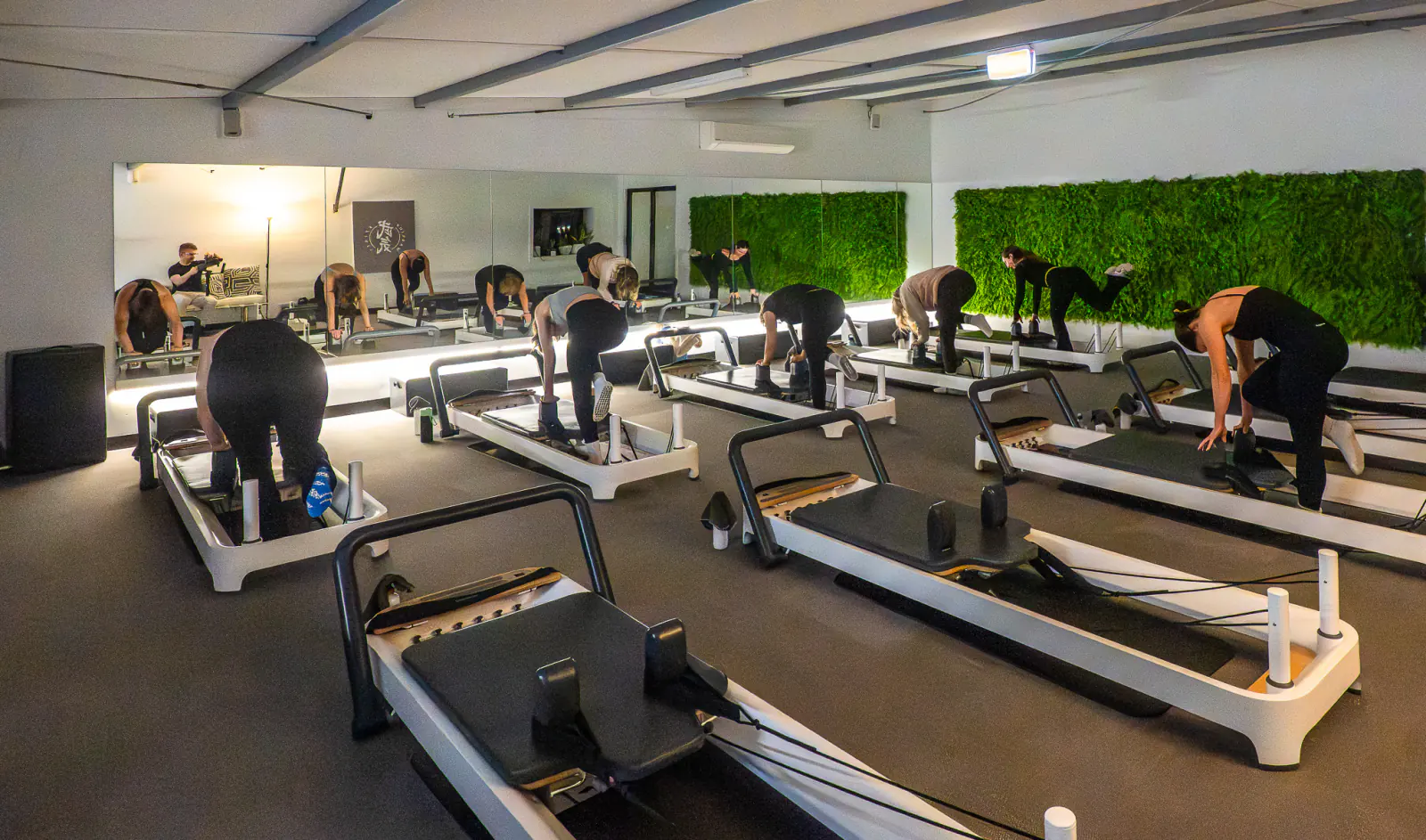
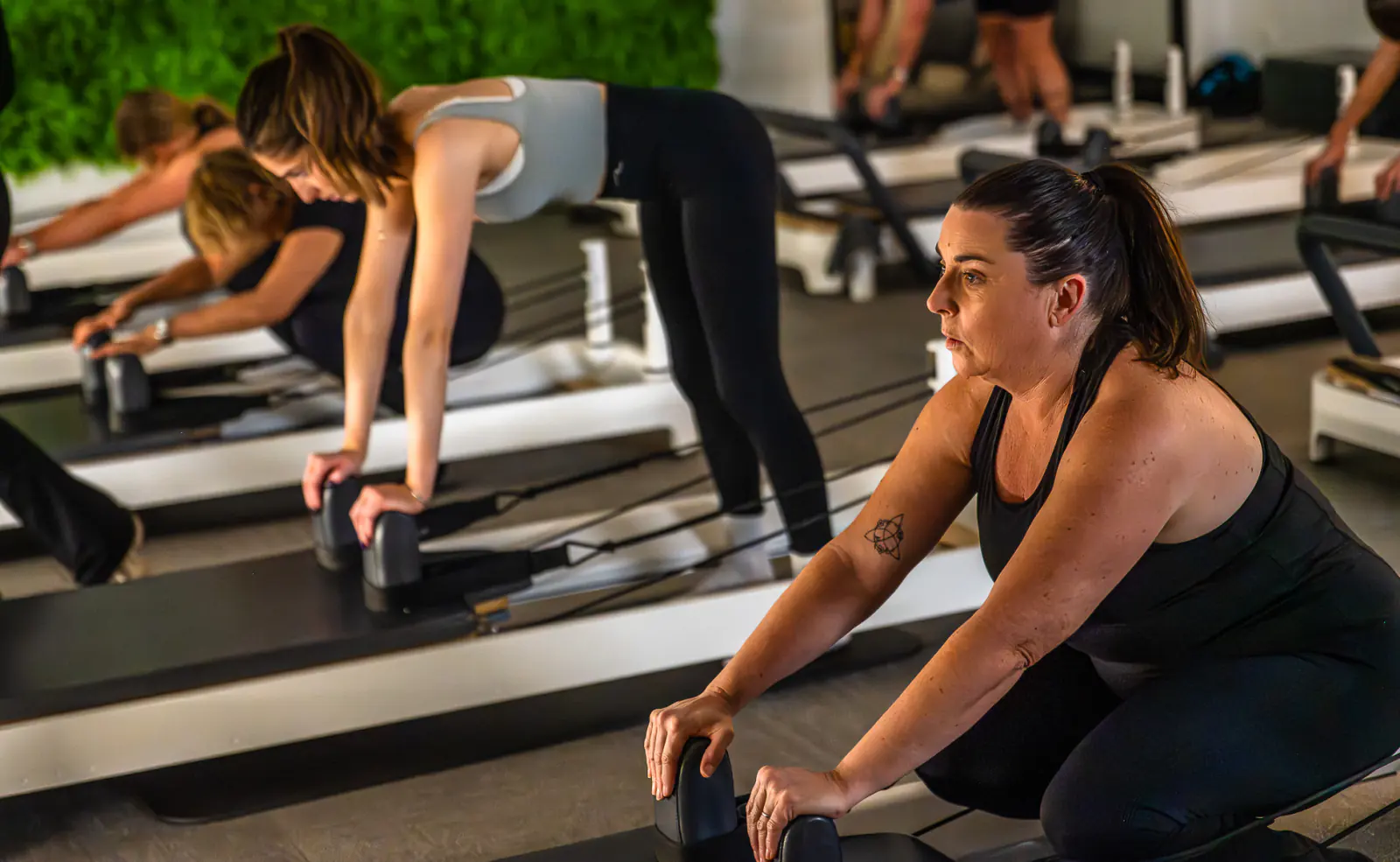
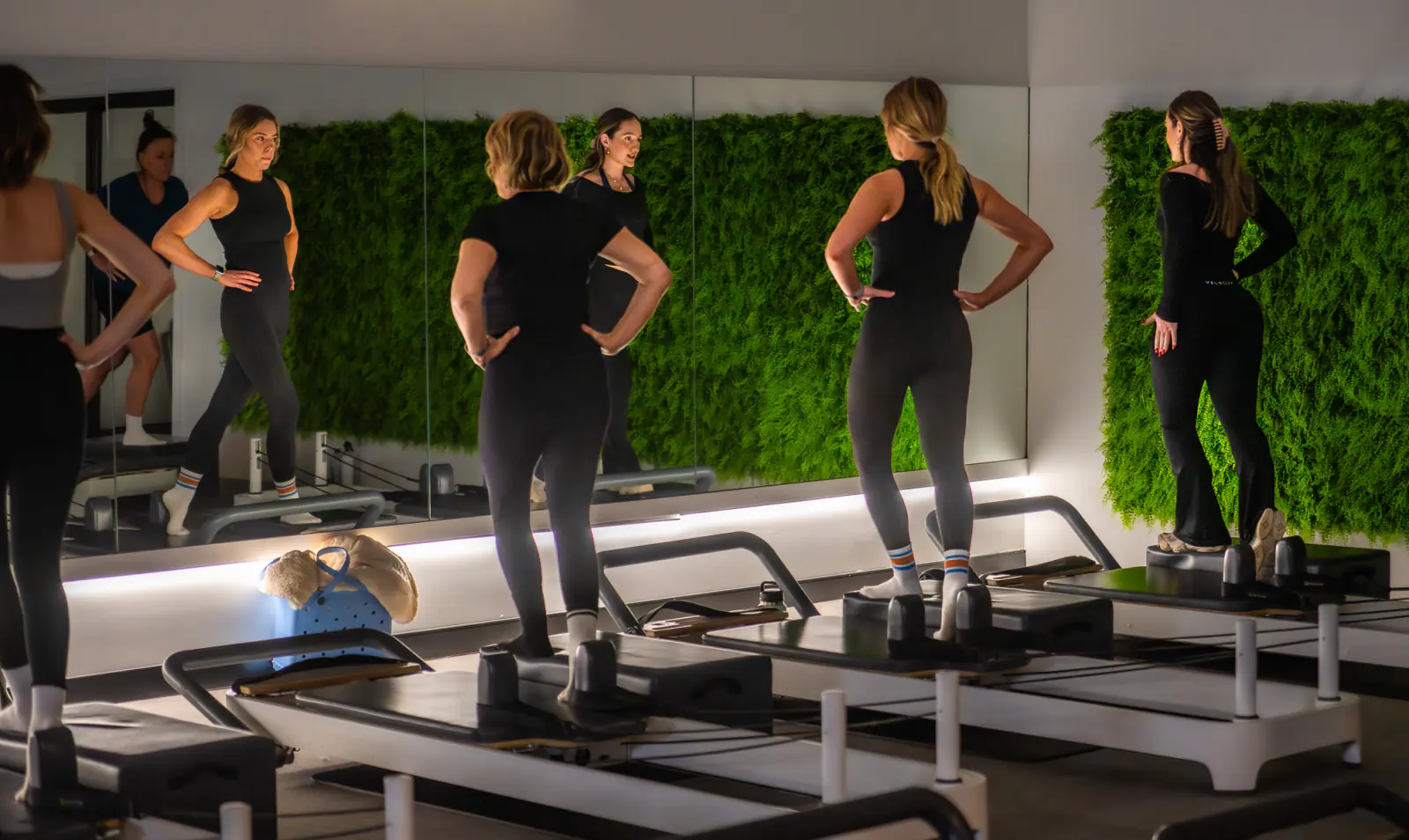
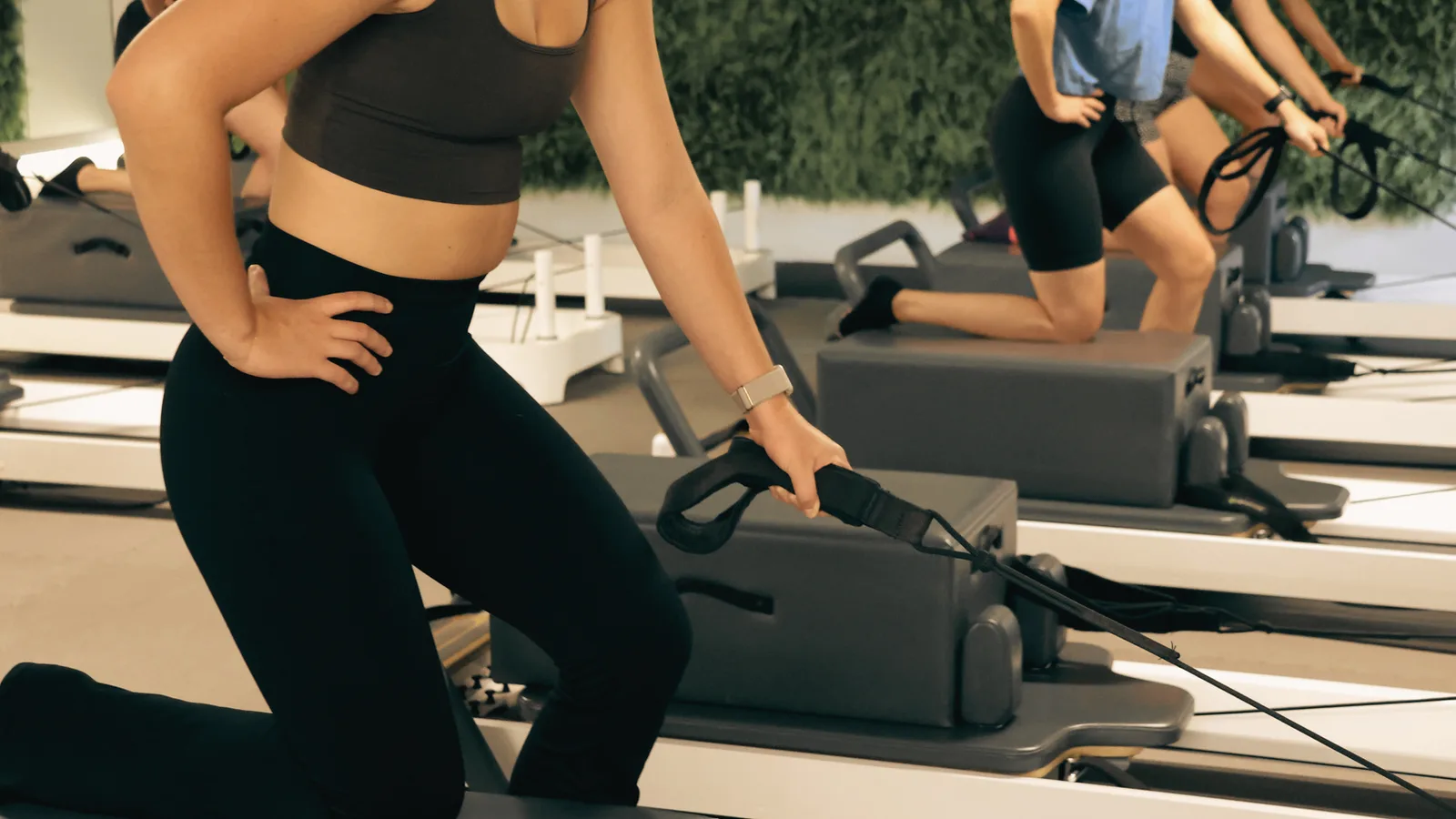
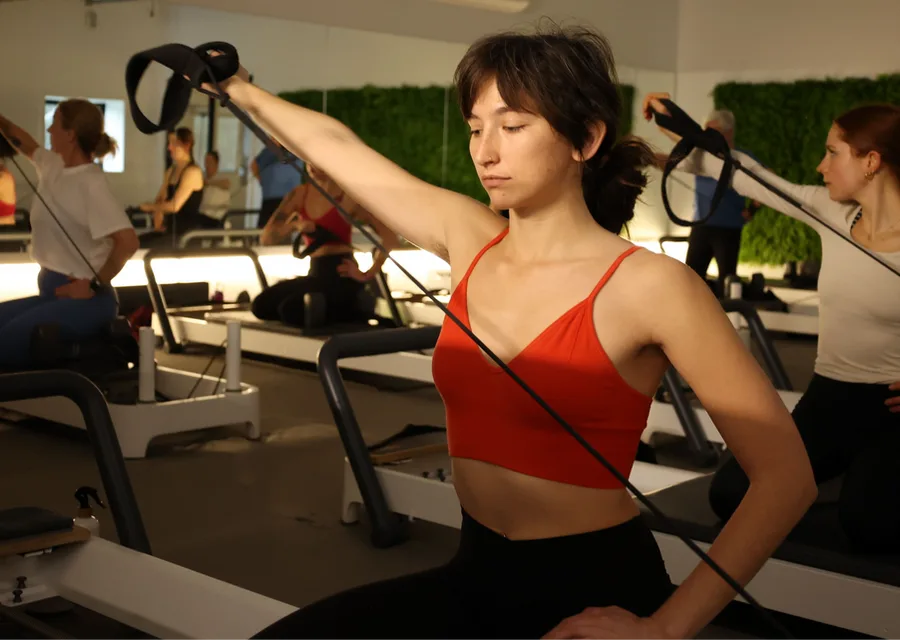
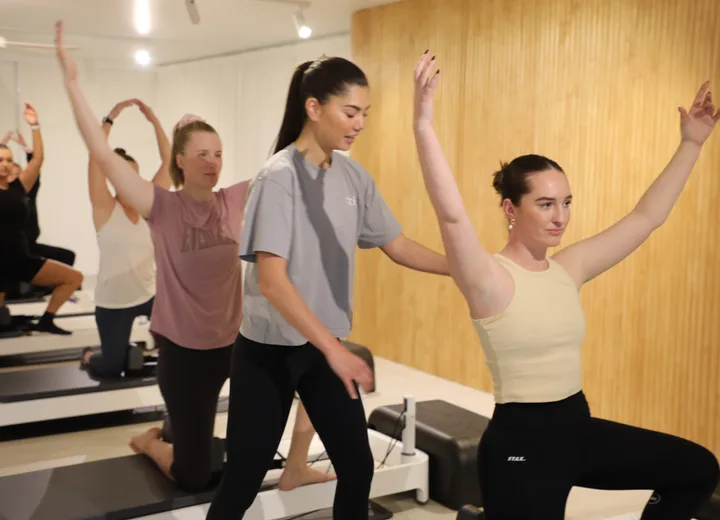
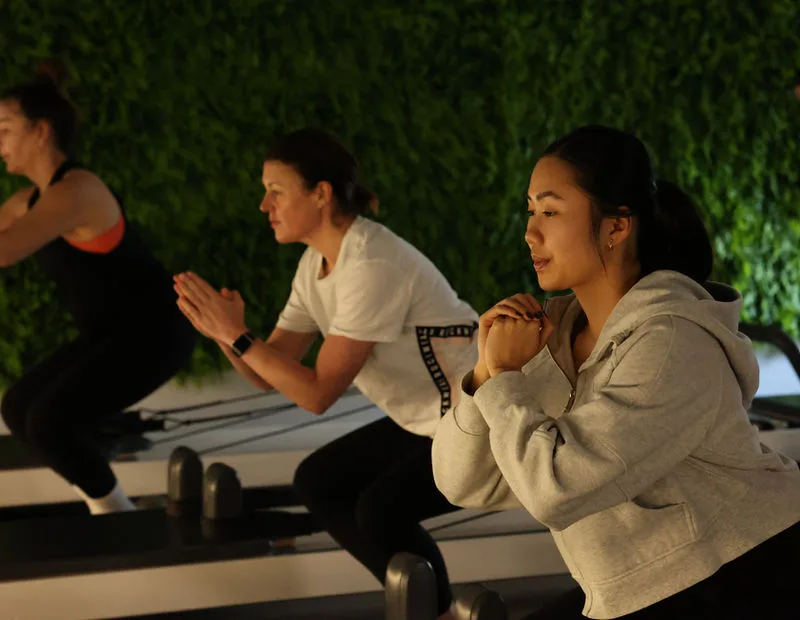
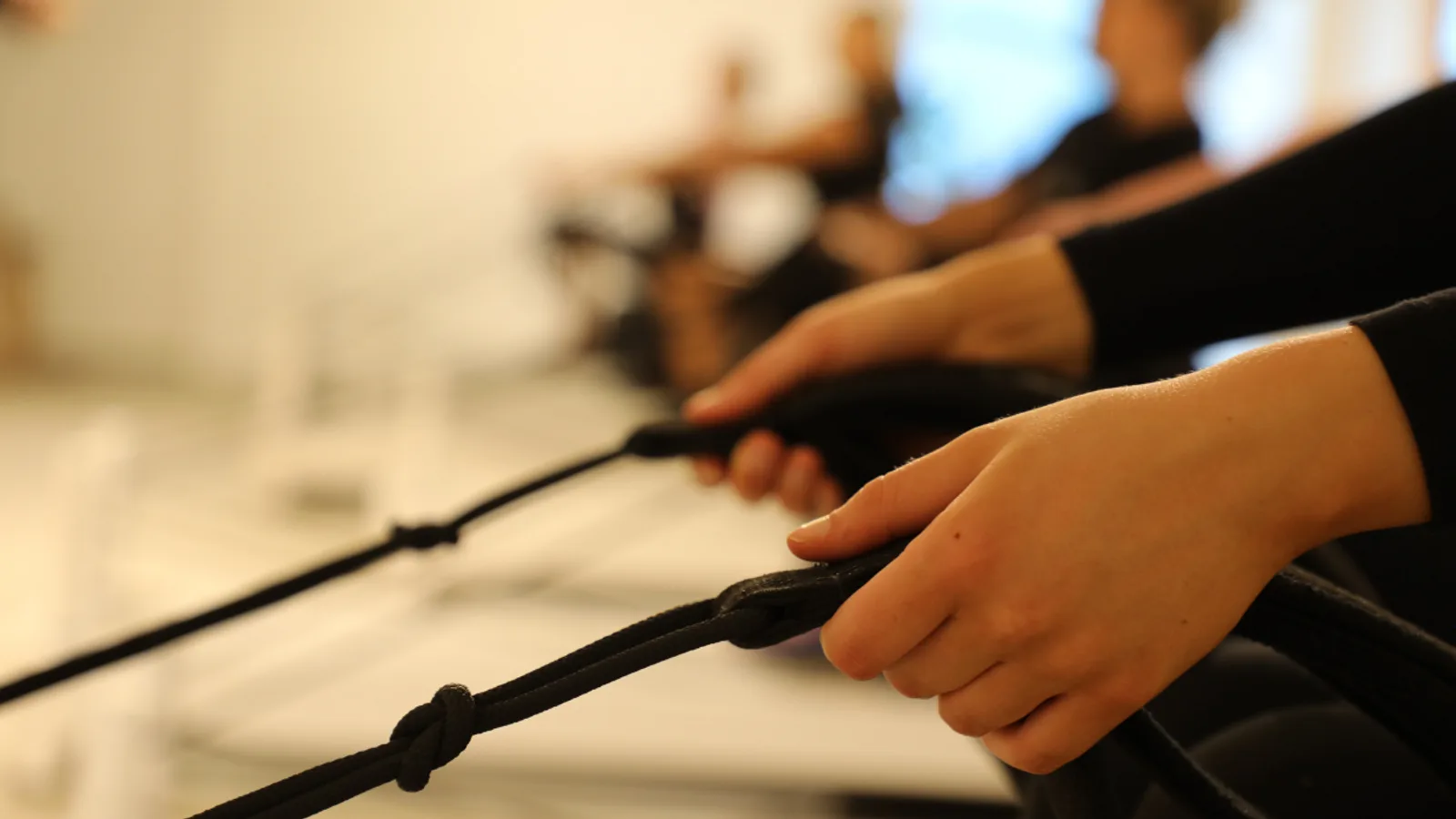
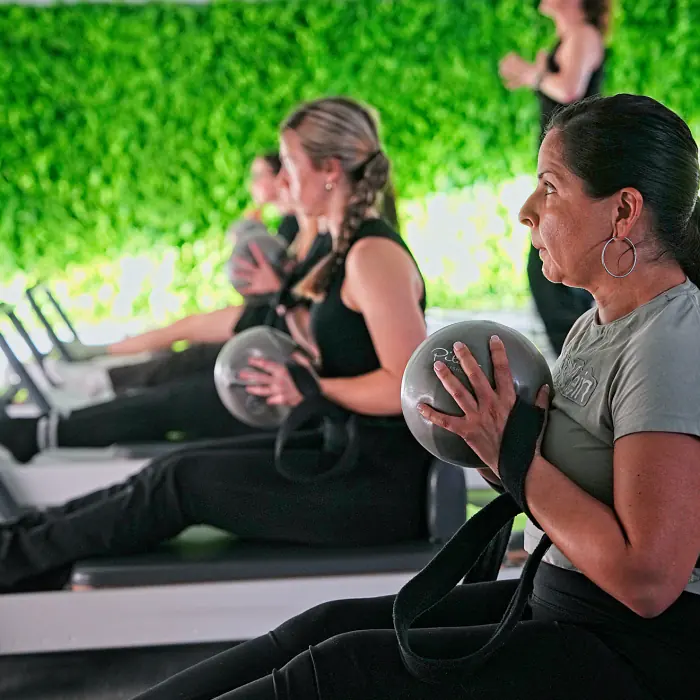
Rotation is built into the Pilates method. Depending on the class, you might meet it in seated twists or side lying work. Kneeling arm work often turns the trunk as well, as do classic exercises such as the saw and the spine twist. On the Reformer, the springs can add resistance to a turn or help support it. A small ball held between the hands gives the movement a clear focus.
What makes these exercises useful is the control. Pilates teaches you to separate parts of the body, often called dissociation. Your pelvis stays still and level while your ribs and shoulders turn above it. That teaches the middle back to do its share and strengthens the muscles that control twisting, especially the obliques along the sides of your waist.
Control also matters on the way back. Turning to look is easy, but returning to centre with the same smooth control is where much of the strength is built. You will hear your instructor cue the return as carefully as the turn.
Common mistakes
Watch for these when twisting in class.
- Leading with the arms. Swinging the arms around can make it look as though you are rotating a long way while your spine barely moves. Keep the arms in line with your chest and let the ribs turn them.
- Leading with the head. Cranking the neck around makes the twist look bigger. Let your head follow your breastbone instead.
- Tipping or leaning. Many people lean sideways or tip back as they turn. Stay tall through the crown of your head.
- Letting the pelvis come along. In seated work, keep both sitting bones heavy on the box. If one lifts, the turn is coming from the hips and lower back.
- Forcing range. Rotation improves gradually. Turn as far as you can with control, then breathe and come back. The range builds over weeks.
Two gentle drills to try at home
These suit most people. Move slowly and stop if anything hurts.
Open book. Lie on your side with your knees bent in front of you. Stretch your arms straight out in front at shoulder height, palms together. Breathe in. As you breathe out, lift the top arm up and over, letting your chest turn towards the ceiling with your eyes following your hand. Keep your knees stacked. Go only as far as is comfortable, then return. Repeat 5 or 6 times on each side.
Seated twist. Sit tall on a chair with your feet flat and knees level. Cross your arms over your chest. Grow tall on an inhale, then turn your ribs to one side as you breathe out, keeping your knees pointing forward. Come back to centre on the next inhale. Alternate sides for 5 or 6 turns each way.
You will probably find one side turns further than the other. That is very common. Practise both sides evenly, with the same number of slow repetitions, and let the stiffer side catch up over time without forcing it.
A note on bone health and back pain
Talk to your doctor or physio before adding twisting exercises if you have osteoporosis or low bone density. This matters most for movements that combine twisting with bending forward, which may need to be modified or avoided. Let your instructor know on your enrolment form and again before class.
The same applies to a current back injury or a disc problem. Pain that increases with twisting is also worth getting checked by your GP or physio first. Rotation can often be adjusted instead of avoided, but it should be guided by someone who knows your history.
Turning it into a habit
Adding rotation to your week does not need a separate workout. A couple of Reformer classes will usually include some twisting, and yoga practice commonly includes gentle seated or lying twists. Stretch classes give you time to work into the middle back with long, comfortable holds. A minute of the open book at home on the days in between keeps things moving.
You may notice the difference in small moments, such as reversing the car without a stiff neck or reaching into the back seat without your lower back complaining. Find a Flow or Stretch class on the timetable at Wollongong or Shellharbour and give your middle back something new to do.