




Health & Wellbeing · 19 November 2026 · 5 min read
Training with a cold, and when to stay home instead
A simple way to decide whether a cold means a lighter class or a day on the couch, plus how to look after the rest of the room.
You wake up with a scratchy throat on the morning of your 5:45am class. The booking is in and your bag is by the door. You have finally built a routine you are proud of, so part of you wants to go anyway. Another part wants to pull the doona back over your head.
Both instincts can be right, depending on what is going on. Below is a practical way to make the call, along with what to change if you do come in. We also cover how to look after the people on the Reformers either side of you. This is general guidance, so if you are unsure, or you feel unwell beyond a mild cold, your GP is the person to ask.
The "above the neck" rule
The most widely used rule of thumb is a simple one, and the American Lung Association explains it well. Gentle to moderate exercise is usually fine when your symptoms are all above the neck, such as a blocked nose with a bit of sneezing. You may want to lower the intensity or shorten the session.
Below the neck, the advice changes. A chesty cough or an upset stomach, particularly with a fever, can point to something more serious than a common cold, such as the flu. In that case the recommendation is to take a few days off.
Some symptoms mean an automatic rest day on their own:
- A fever or chills
- Body aches, or that heavy, wiped out feeling
- Vomiting or diarrhoea
- Chest pain or unusual shortness of breath
- Feeling dizzy or faint
Anyone living with asthma or a heart condition should check with their doctor about exercising while unwell, and the same goes for other chronic illnesses. Follow any action plan you have been given, since a cold can affect these conditions more than it would for someone else.
Spring sneezes are often hay fever
Late spring in the Illawarra brings plenty of pollen. It also brings plenty of people who are convinced they have caught something. Hay fever and a cold can look similar, since both bring sneezing and a runny nose. The difference is that hay fever is an allergy and not an infection, so you cannot pass it on.
Most people who know their hay fever pattern and otherwise feel well have no reason to skip class. Bring tissues and keep a drink bottle nearby. Take any medication you normally use. A GP or pharmacist can help you work out whether it is hay fever or a virus, especially when your usual treatment is not helping.
If you decide to come in
A mild cold does not mean you have to sit the week out. It does mean your body is already busy, so the aim of the session changes from pushing hard to moving well.
Some sensible adjustments:
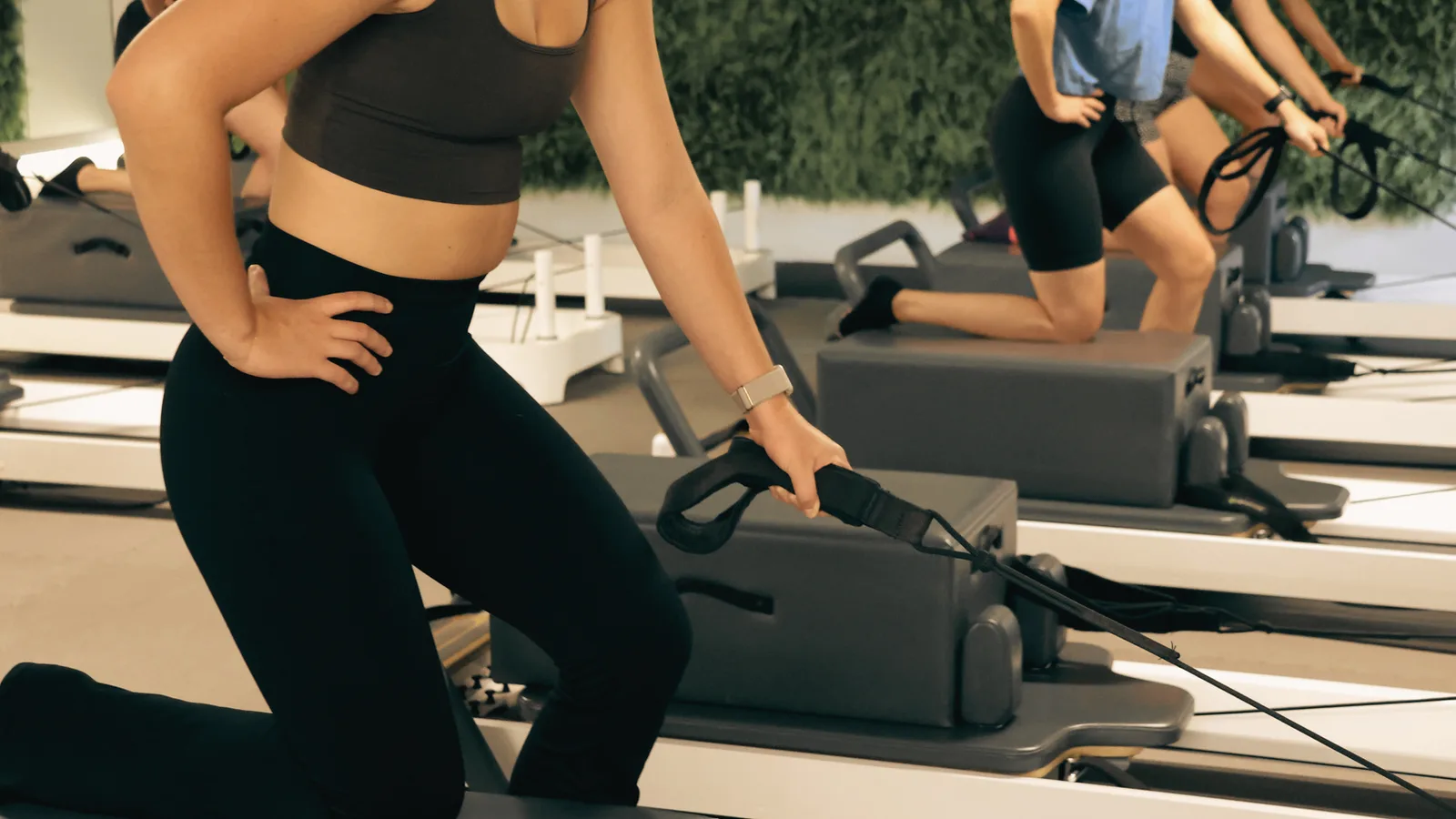
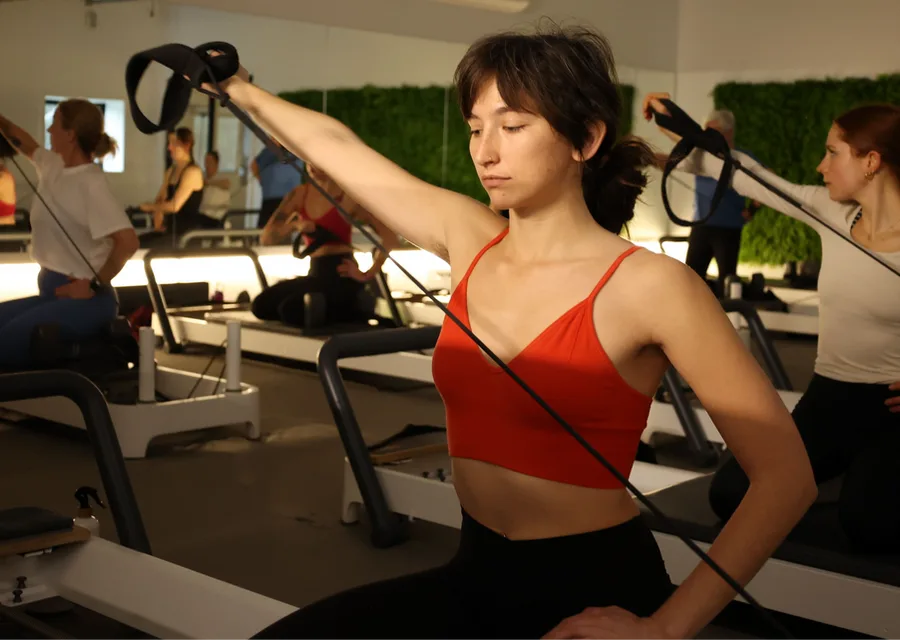
- Choose a gentler class. Control or Stretch suits a sniffly day better than Tempo or Jump. The slower pace keeps the effort down while still getting you moving.
- Turn the load down. Ask your instructor for lighter springs, or simply take the easier option they offer. Nobody is keeping score.
- Skip the breath holding. A blocked nose makes everyone want to clench. Breathe through your mouth if you need to, and keep it steady.
- Watch the upside down moments. Exercises where your head is lower than your hips can make a stuffy head feel much worse. Take a rest or ask for an alternative.
- Drink more than usual. Staying hydrated helps whether you train or rest. The American Lung Association notes that dehydration can make cold symptoms feel worse.
Most importantly, give yourself permission to stop. Feeling worse as the class goes on is a clear signal, and so is feeling light headed. Pack up and head home without any guilt. Your instructor will understand.
Looking after the room
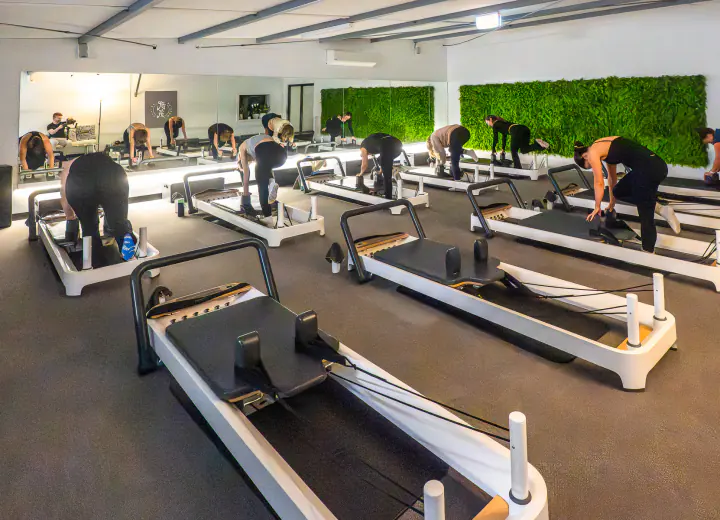
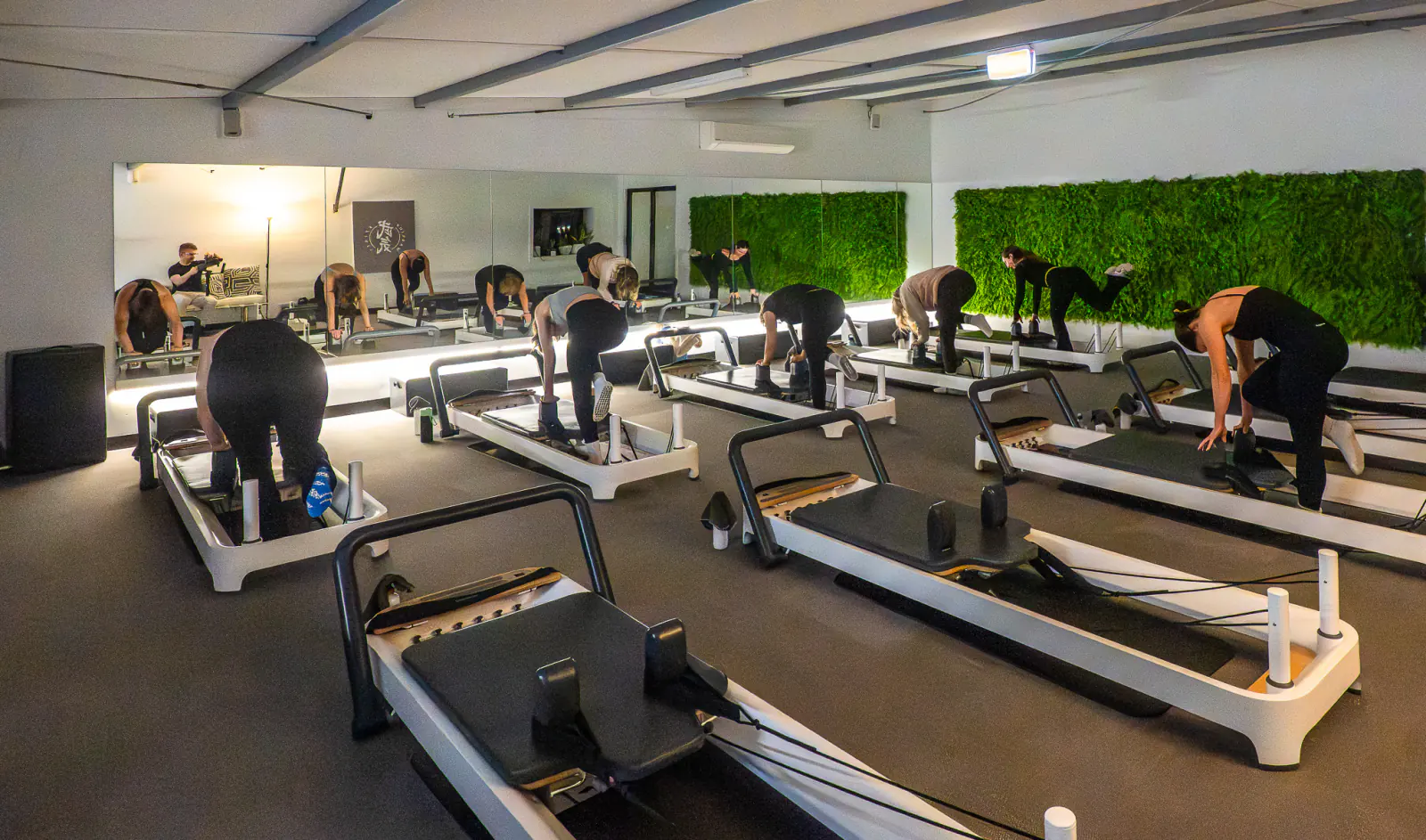
Our classes are small and the Reformers sit close together, so a group class is a shared space in a very real way. Even if you feel fine to train, think about the people around you.
If you are still sneezing and coughing a lot, the kind thing is to stay home for a day or two. With a mild cold, sanitise your hands when you arrive and cough or sneeze into your elbow. Keep your tissues with you instead of leaving them on the floor beside the machine. Clean grip socks are already a studio rule, and a drink bottle that only you use is a good habit year round.
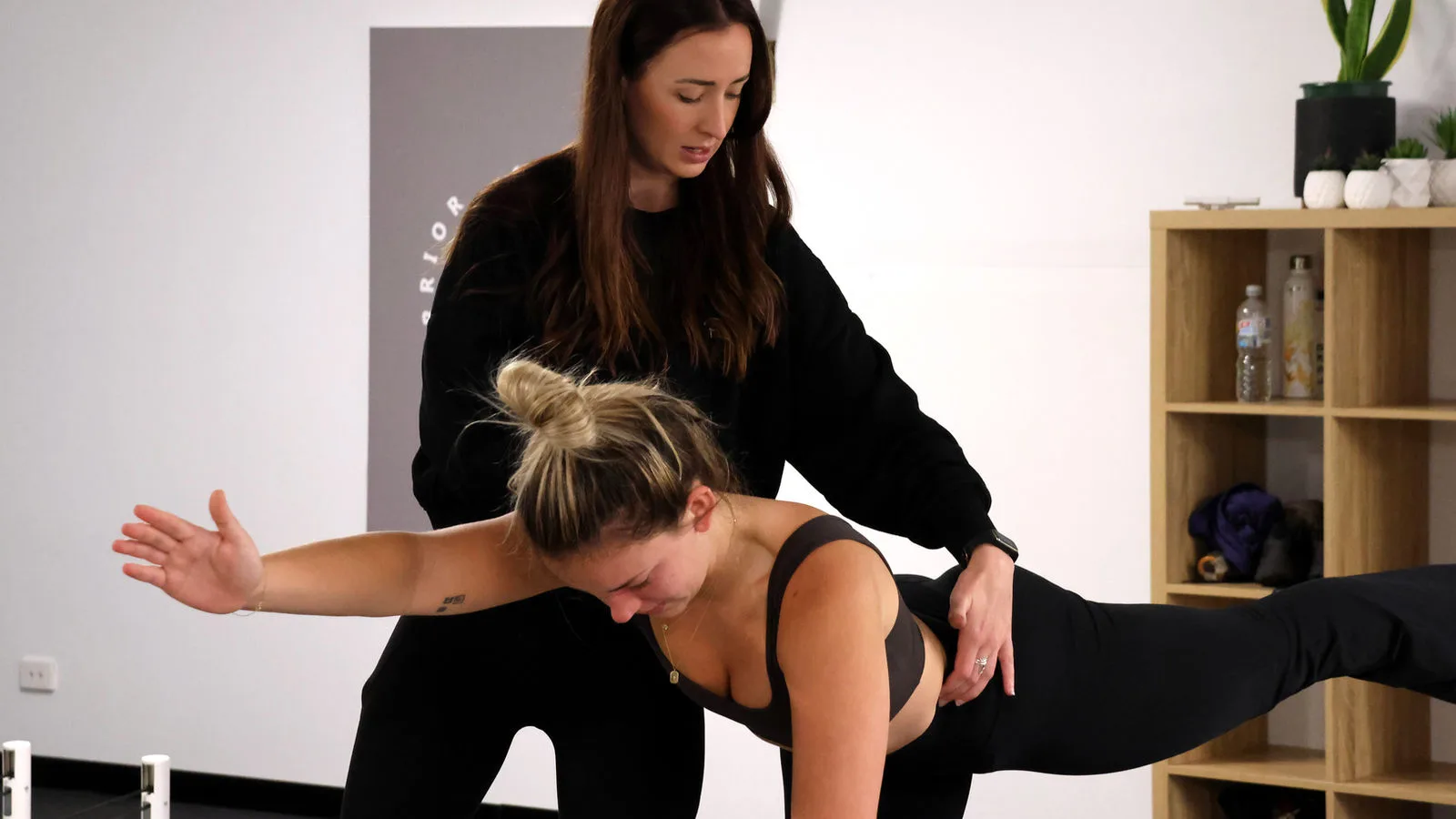
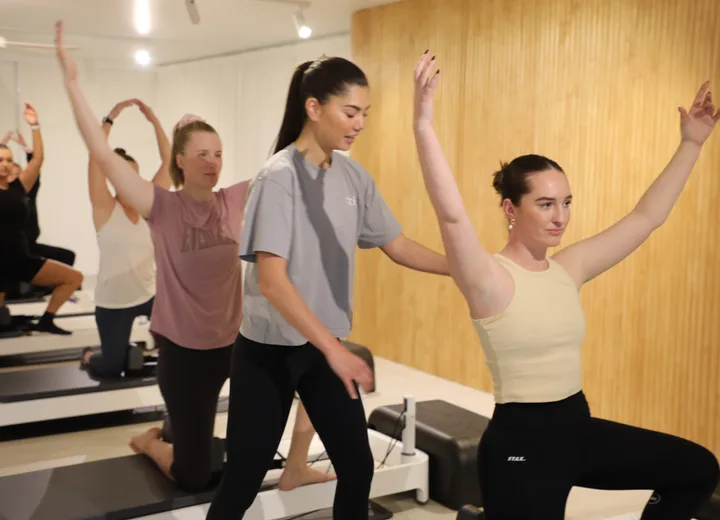
It is also worth having a word with your instructor before class starts. They can suggest modifications and keep an eye on you.
Cancelling the right way
The decision is much easier when you make it early. We have a 2 hour cancellation policy for group classes. Cancelling inside that window, or not turning up, means a $10 fee applies. When you wake up feeling off, decide before you get in the car and cancel through the booking system straight away. It also frees the spot for someone on the waitlist. Our full terms are on the policies page.
Coming back after a few days off
Once the cold has passed, ease back in. Missing a class or two will not undo your progress, and the first session back is a good time for Control with slightly lighter springs. After a proper illness with a fever or a chest infection, give yourself a little longer and build up over a week or two. Check with your GP before returning to harder classes if you have been very sick or symptoms are hanging around.
A good test is how you feel the day after your first session back. More energy means you can carry on. Feeling flattened means it is time for another rest day before you try again.
The short version
A mild head cold with no other symptoms usually means you can come in and go gently while keeping the room in mind. Chest symptoms or a fever call for rest at home, plus a visit to your GP if things are not improving. Hay fever is usually fine to train with, as long as you have tissues and your normal medication.
When you are feeling yourself again, the timetable has classes from 5:45am at both Wollongong and Shellharbour, so it is easy to find a gentle session to come back to.