


Health & Wellbeing · 30 October 2026 · 6 min read
Back to exercise after a baby, one stage at a time
A gentle, stage by stage guide to returning to exercise after birth, the moves to hold off on, and where Mums & Bubs classes fit in.
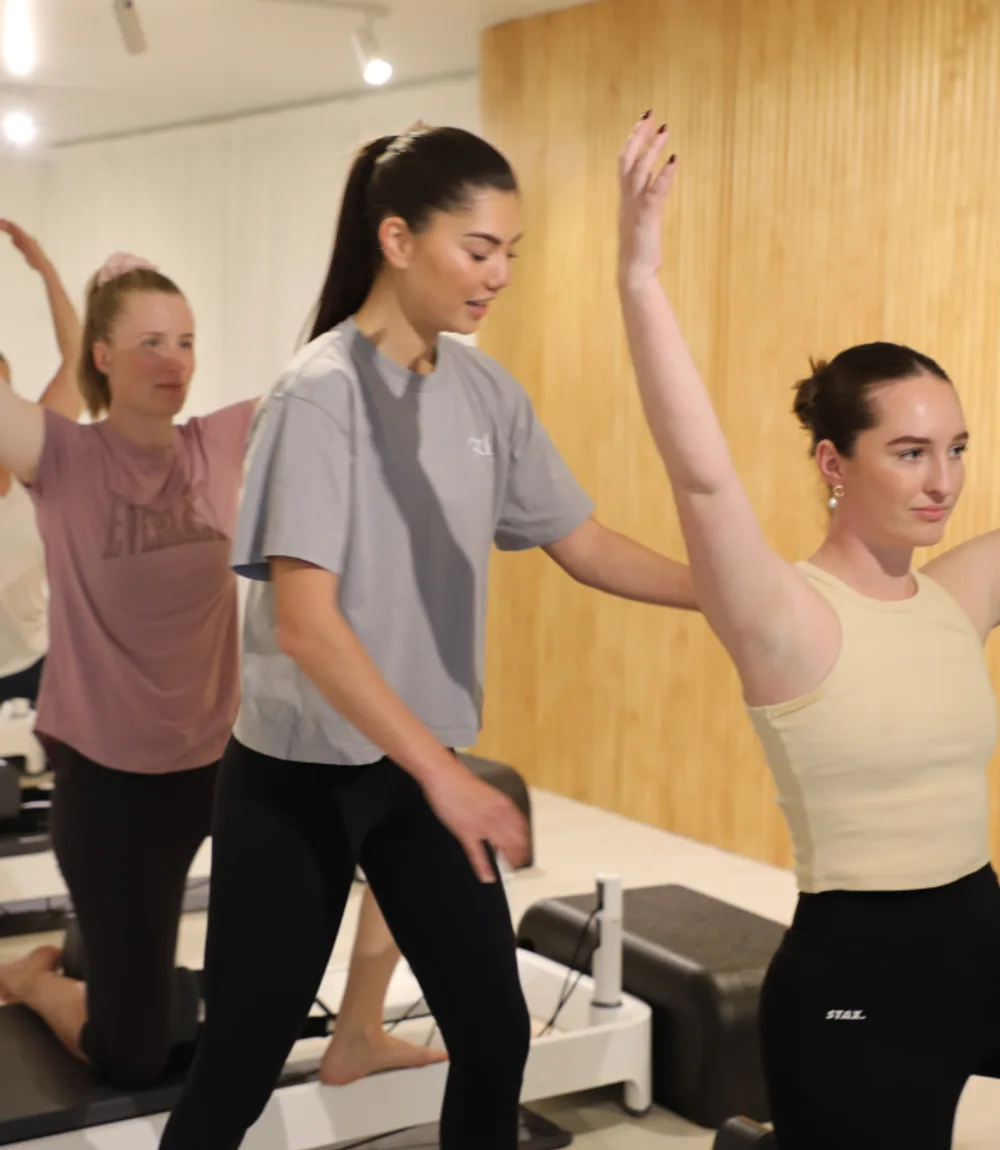
In the weeks after having a baby, exercise advice seems to come from everywhere. Social media shows women back in the gym within a fortnight. A friend tells you to rest for months. Somewhere in between, you are trying to work out what your own body needs while running on very little sleep.
The good news is that there is clear guidance to follow, and it is much more gradual than social media suggests. This article walks through a typical timeline and the exercises to leave for later. It also covers how a Pilates class can fit in when you are ready. Every birth and recovery is different, so treat this as a general guide. Your GP or obstetrician should have the final say. A midwife or women's health physiotherapist can help too.
Where this timeline comes from
The stages below follow the advice from Pelvic Floor First, an initiative of Continence Health Australia that is funded by the Australian Government under the National Continence Program. Their guidance focuses on protecting the pelvic floor and abdominal wall. Both carry a lot of load during pregnancy and birth, and both need time to recover.
Your recovery may take longer after a caesarean birth or a difficult delivery. Ask your doctor or physio how the timeline applies to you.
The first three weeks
The focus early on is recovery and very gentle movement. Pelvic Floor First suggests walking in this window, along with gentle abdominal bracing and pelvic floor exercises.
Walking can start with a slow lap around the house or a short stroll with the pram, building gradually. The abdominal work at this stage is about gently drawing your lower tummy in. There should be no crunching or straining.
This is also the time to be kind to yourself about everything else. Feeding and settling a newborn takes a lot of energy, especially on broken sleep. Gentle movement should leave you feeling a little better, never more tired.
From three to eight weeks
Keep building your walking as you feel stronger, and keep up the pelvic floor and abdominal exercises. Pelvic Floor First recommends waiting until your six week postnatal check before joining group exercise classes or returning to the gym. Low impact options in this window include walking and postnatal classes. Swimming and low intensity water exercise are options too, once bleeding has stopped.
The six week check is a useful milestone. It is your chance to ask your doctor directly about returning to exercise. Mention any symptoms such as leaking or pain. If anything comes up, a women's health physiotherapist can assess your pelvic floor and abdominal muscles and give you a plan.
From eight to sixteen weeks
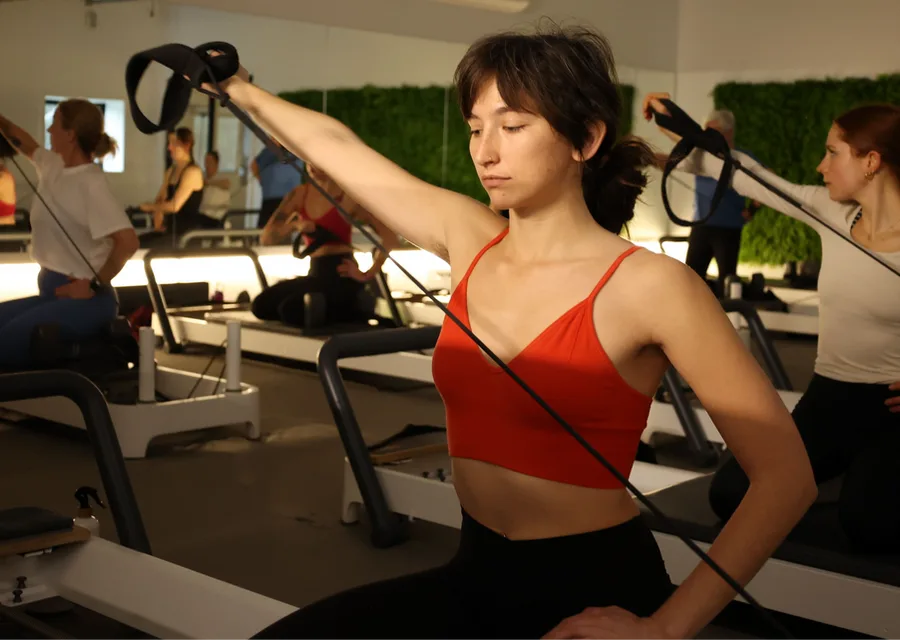
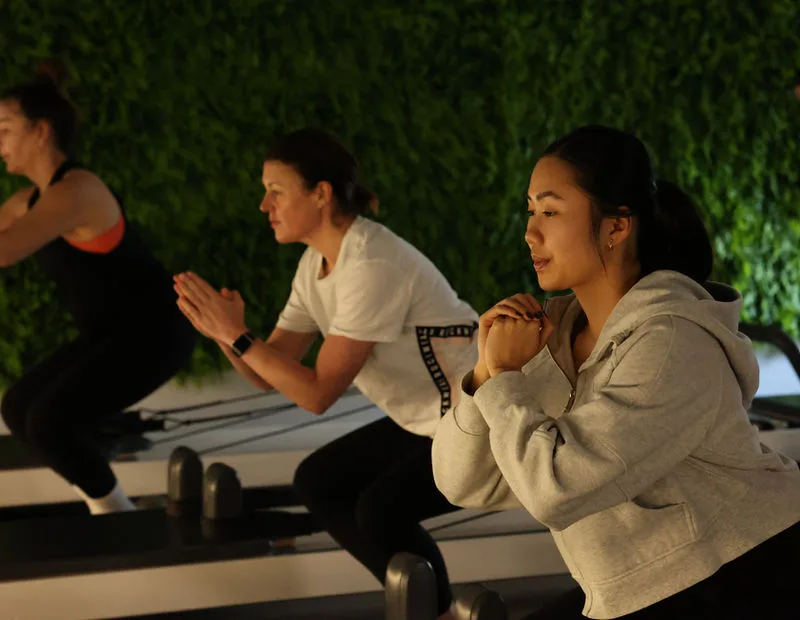
Once you have the all clear, the guidance is to increase intensity gradually. This is often a great time to start Pilates classes, because the load can be controlled closely. You can build strength through your trunk and hips without impact.
Pelvic Floor First recommends seeing a physiotherapist for an abdominal muscle check and a pelvic floor assessment between 12 and 16 weeks. That check should happen before you return to high impact exercise or running. It also applies before sport and dedicated abdominal programs. After 16 weeks, many women can return to their previous activity levels, provided the pelvic floor has recovered. The signs to look for are no back pain and no heaviness or leaking during or after exercise.
What to hold off on early
Some popular exercises put a lot of pressure on a recovering abdominal wall and pelvic floor. Pelvic Floor First specifically lists sit ups and curl ups as not recommended for new mums until you have had a pelvic floor and abdominal check. Planks, hovers and mountain climbers are on the same list.
In practical terms, the early months mean:
- Skipping anything that makes your tummy bulge or dome along the midline
- Leaving jumping and running until you have had a physio check
- Keeping the load moderate and never holding your breath while lifting
- Stopping if you feel heaviness or dragging, or if you notice leaking
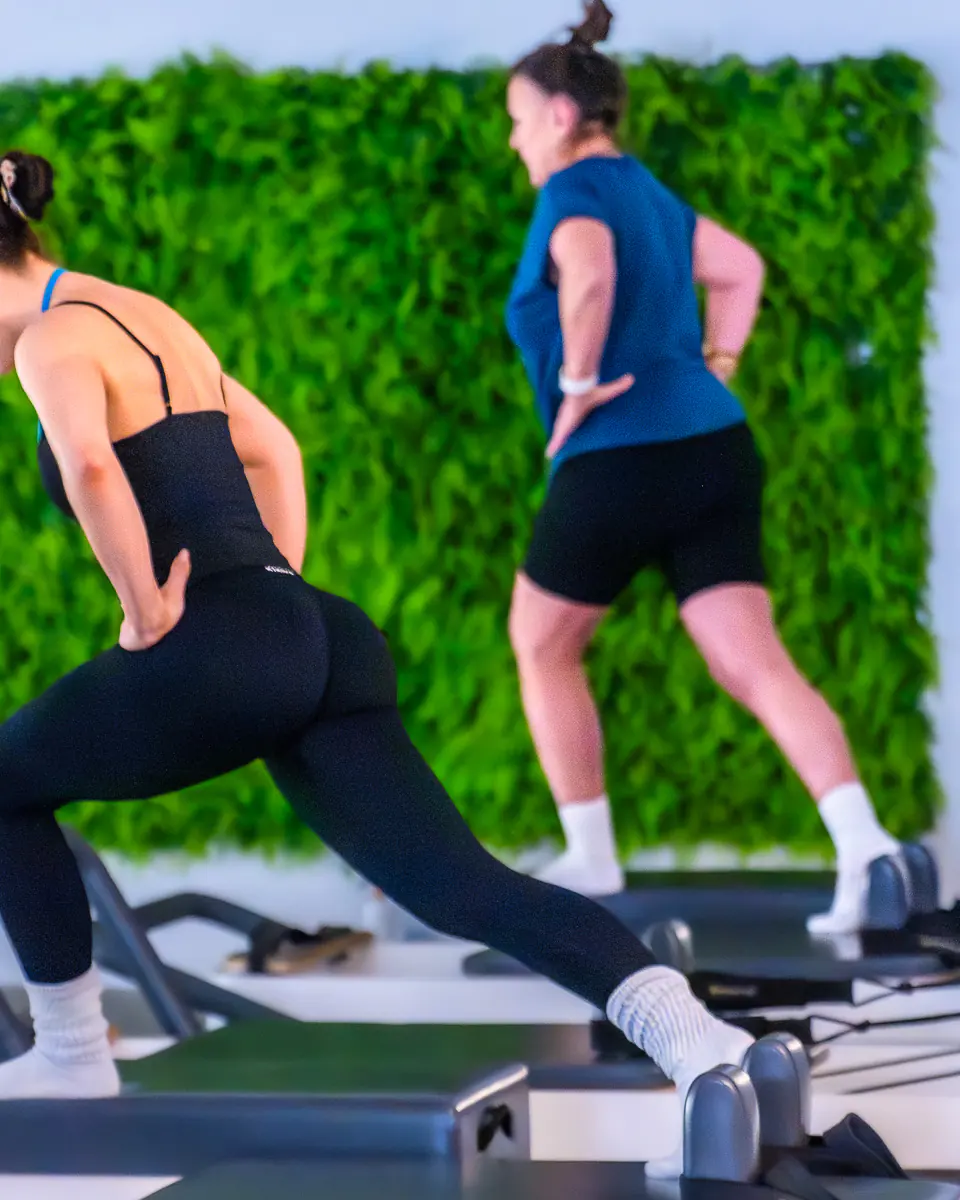
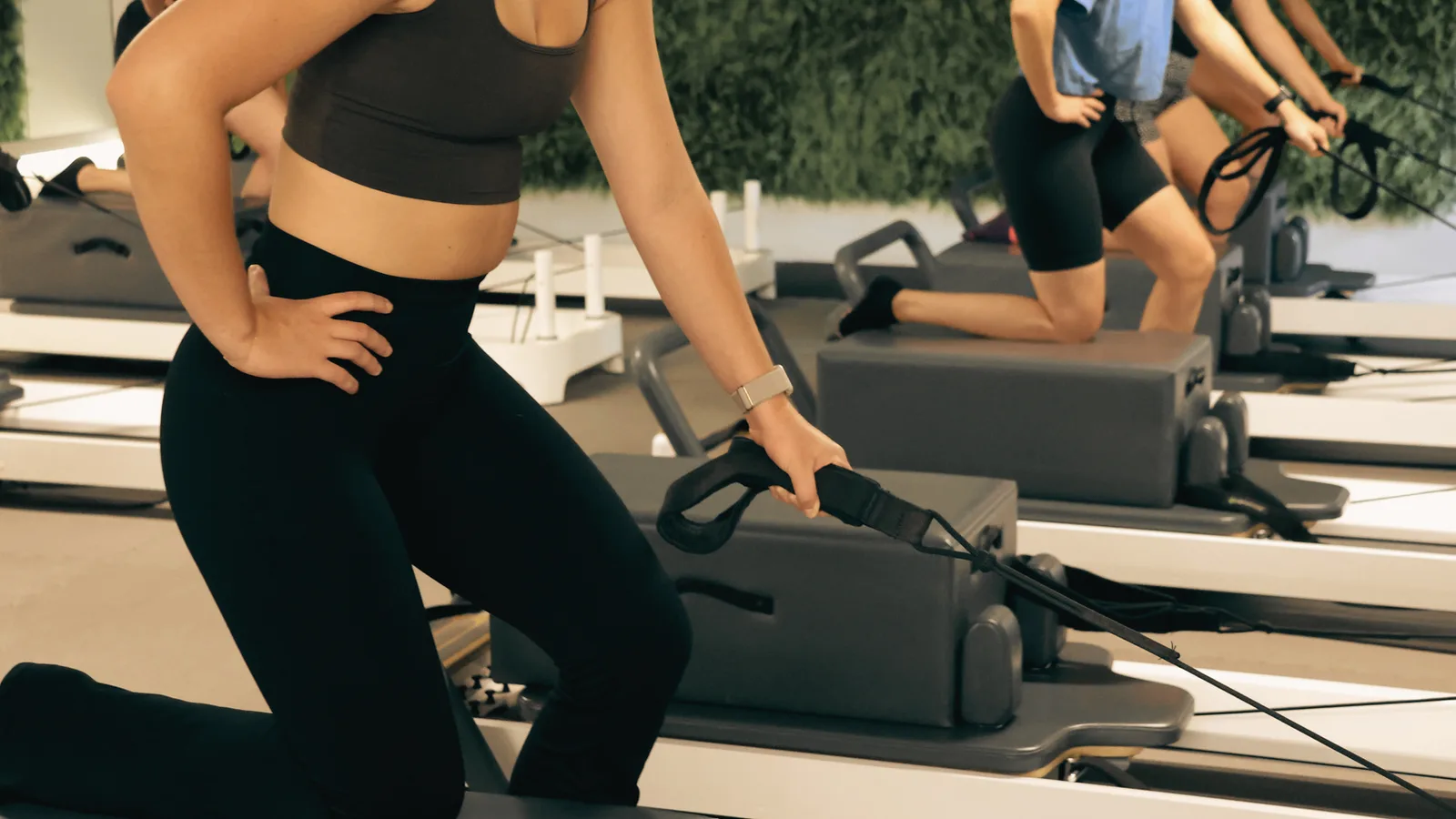
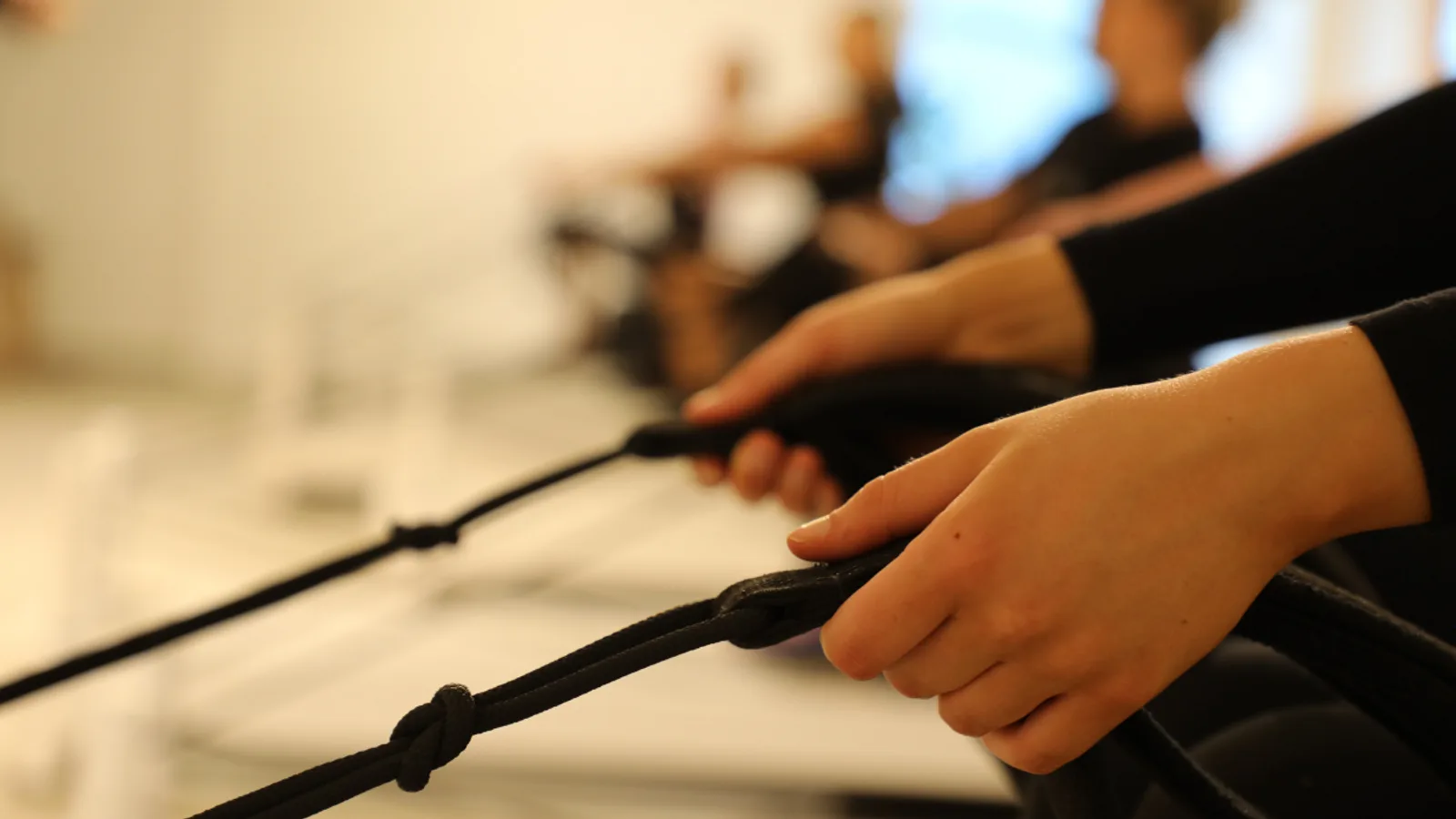
On the Reformer, this might mean your instructor swaps a plank or a deep abdominal curl for a different exercise, or uses lighter springs. Jump classes are best left until a physio has cleared you for impact.
Signs to stop and get checked
Please see your GP or a women's health physio if you notice any of these, at any stage:
- Leaking urine when you cough or sneeze, or during exercise
- A feeling of heaviness or dragging in the pelvic area
- A gap or doming along the middle of your tummy that is not improving
- Ongoing pain in your back or pelvis
- Pain around a caesarean scar that is not settling
These are common after birth and very treatable, but they are not something to push through. A physio can guide what you do in class and at home.
How Mums & Bubs classes help
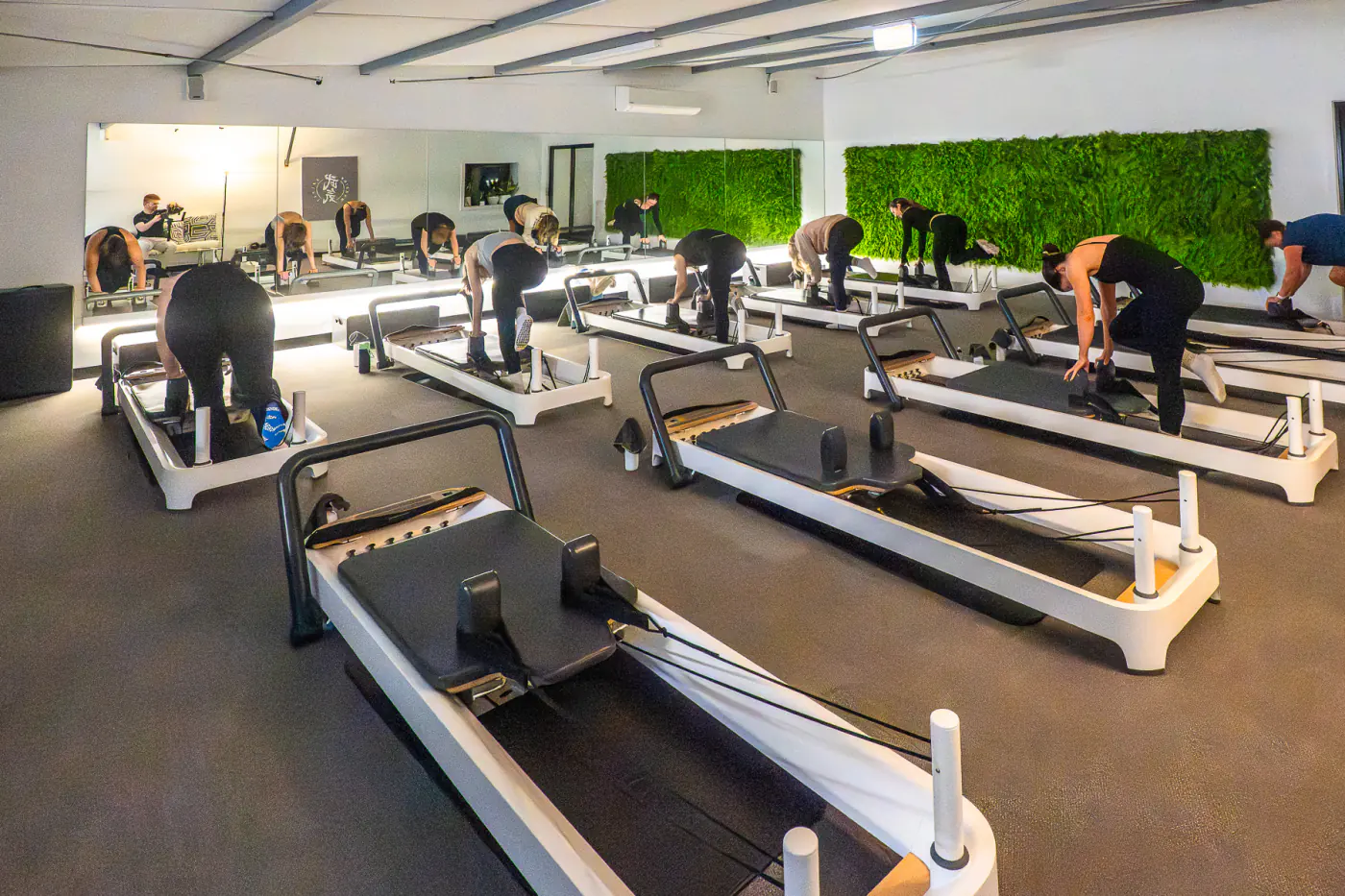
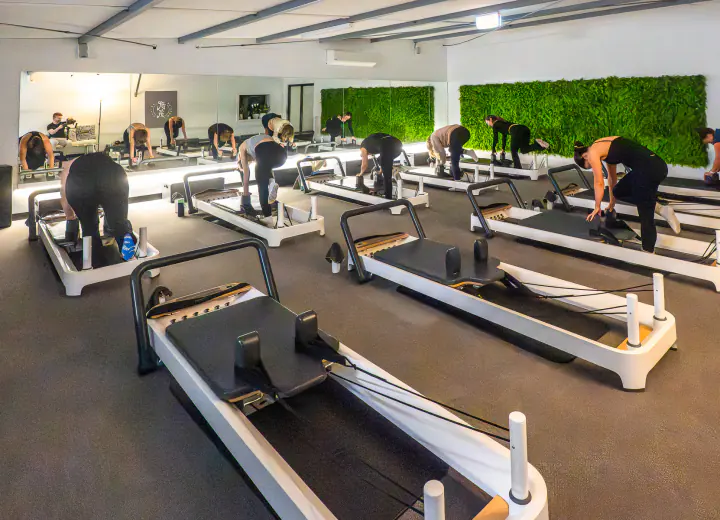
Finding someone to mind the baby is one of the biggest barriers to getting back to exercise. That is why we run Mums & Bubs classes at our Shellharbour studio, where your little one is in the room with you. You do not need to organise a babysitter, and nobody minds if you stop halfway through to feed or settle.
At the time of writing, Mums & Bubs runs on Wednesday mornings at Shellharbour. Check the timetable for current times. Keep an eye on our events page too, since Mums & Bubs offers appear there and need registration before your first class.
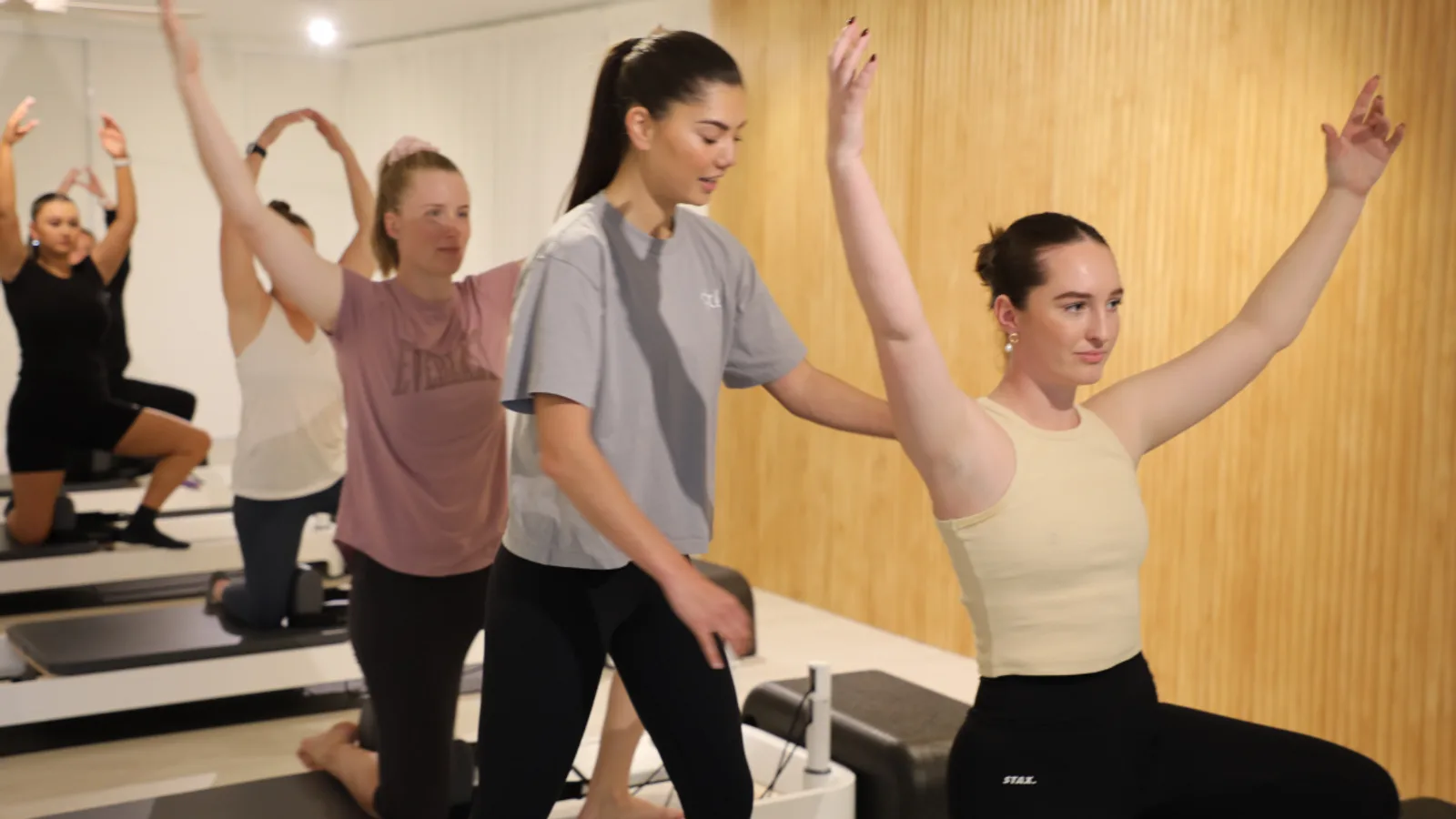
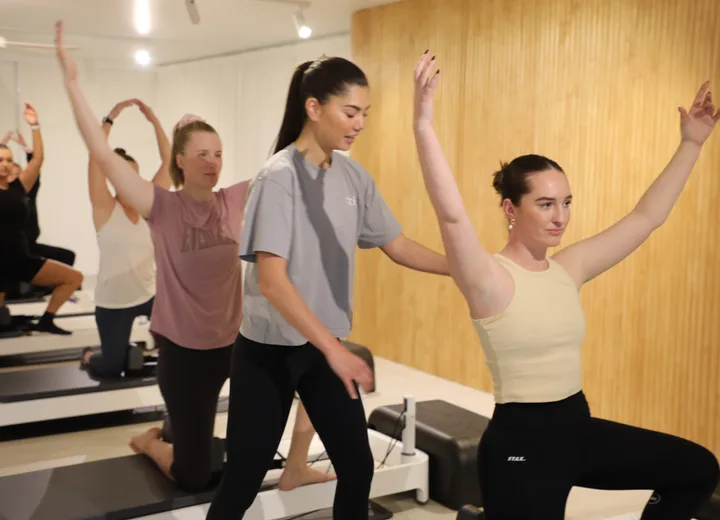
Our instructors work around where your body is right now. Let us know when you enrol, and share anything your doctor or physio has told you. Every new client completes an enrolment form before their first session. It is the best place to note your birth and any complications, along with any symptoms you are managing.
Starting slowly is the fast way back
It can be frustrating to take things gradually when you want to feel like yourself again. A steady build is far easier to stick with than rushing back to your old routine, only to stop again because something does not feel right. Start with lighter classes and keep paying attention to your pelvic floor as the weeks go on.
If you are past your six week check and your doctor is happy for you to exercise, a Control class or a Mums & Bubs session is a lovely place to start. Have a look at the timetable, or contact us if you would like to talk through what suits you first.