



Health & Wellbeing · 23 October 2026 · 6 min read
Australia's movement guidelines, and where Pilates fits in your week
What the national guidelines ask adults to do each week, which parts a Reformer class covers, and which parts happen outside the studio.
We all have a rough idea that we should "move more", but very few people could tell you what the official recommendation looks like. That matters, because the guidelines ask for a few different kinds of movement. A week that looks busy can still leave whole categories untouched.
The Australian Government's Department of Health, Disability and Ageing publishes Australia's 24-hour movement guidelines. They cover physical activity alongside sitting and sleep, on the sensible basis that all of them share the same 24 hours. Below we lay out what the guidelines recommend for adults and where a Pilates timetable covers the ground. We also look at the parts that are on you between classes.
What the guidelines recommend for adults
For adults aged 18 to 64, the guidelines say to be active most days, preferably every day, with a mix of intensities. In practice that means:
- Moderate to vigorous activity for 30 minutes or more on most days
- Muscle strengthening activities on two or more days a week
- Functional activities on three or more days a week that target mobility and balance
- Several hours of light activity spread through each day
They also ask you to limit sitting and to break up long periods of it as often as possible. Sleep is in there too, with 7 to 9 hours of good quality sleep and consistent bed and wake times. The recommendations for adults 65 and over are almost identical, with sleep set at 7 to 8 hours.
One detail in the guidelines is easy to miss and quite encouraging. Some activities count towards more than one recommendation. Their own example is walking up and down stairs, which counts as moderate activity and as functional activity at once. A well designed class works the same way.
How Australians are tracking
Most of us are less active than we think. In the 2022 National Health Survey, measured against the previous version of the guidelines, the Australian Bureau of Statistics found that about one in five adults aged 18 to 64 (22.4%) met the physical activity recommendations. Plenty of people were active on most days. The shortfall usually came from missing one type of activity, most often the strength work.
The same survey found that nearly half (46.9%) of employed adults described their working day as mostly sitting. That is a long stretch of the 24 hours spent still, which is exactly why the newer guidelines put so much weight on light movement and breaking up sitting time. The ABS also counts Pilates and yoga as strength or toning exercise, which is useful to know when you are adding up your week.
Where a Reformer class covers you
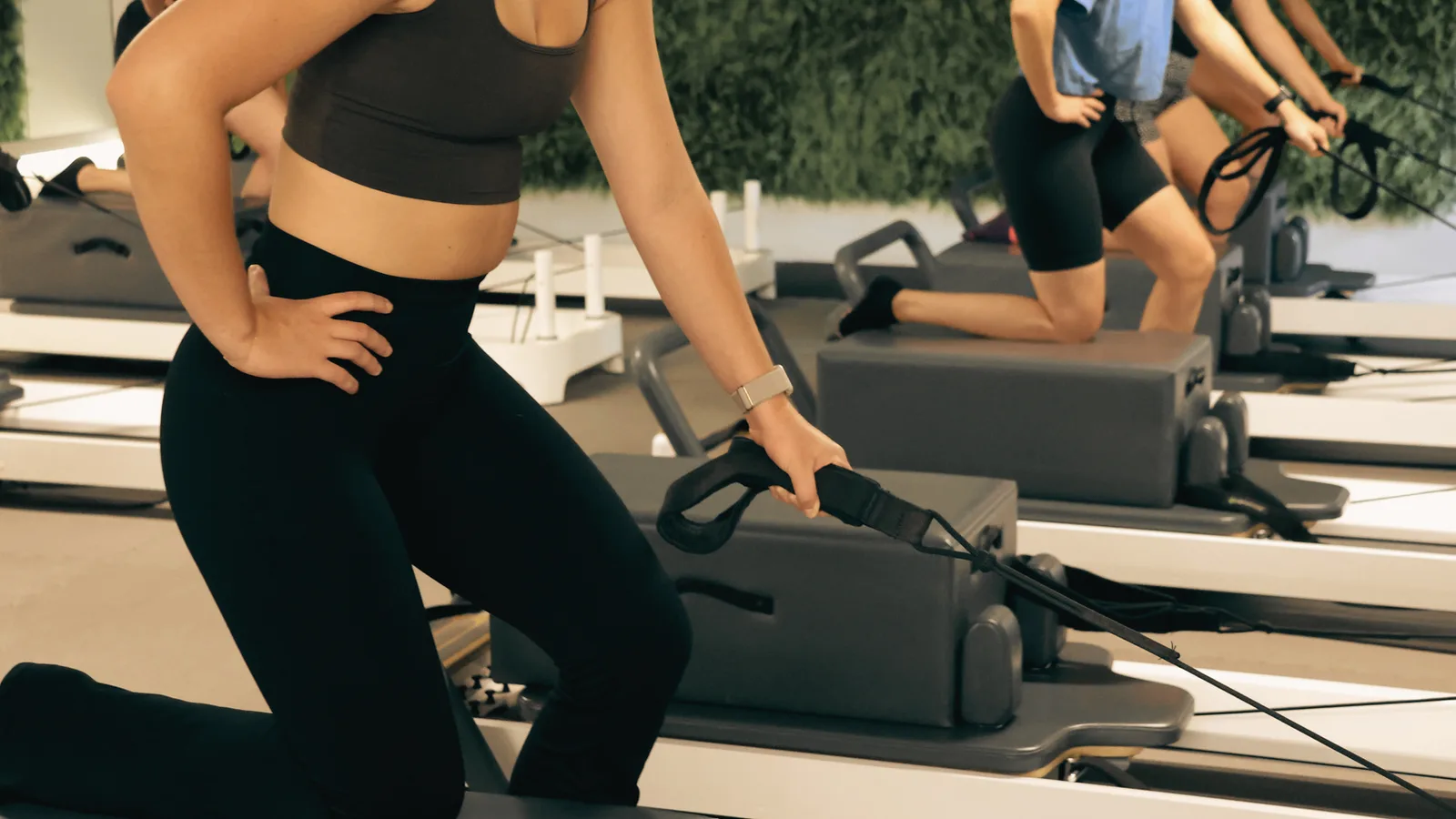
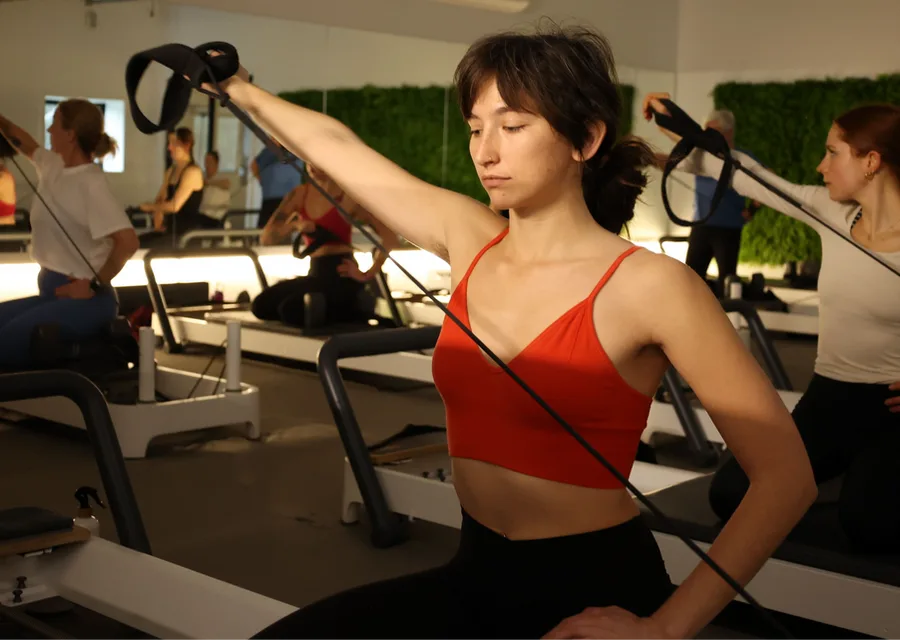
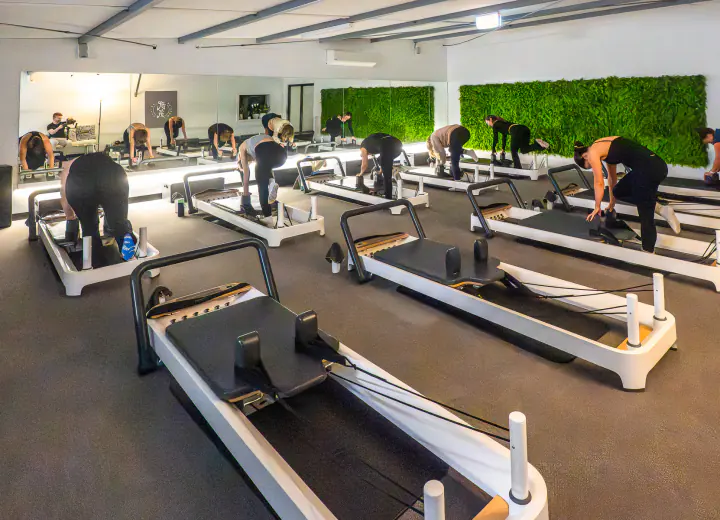
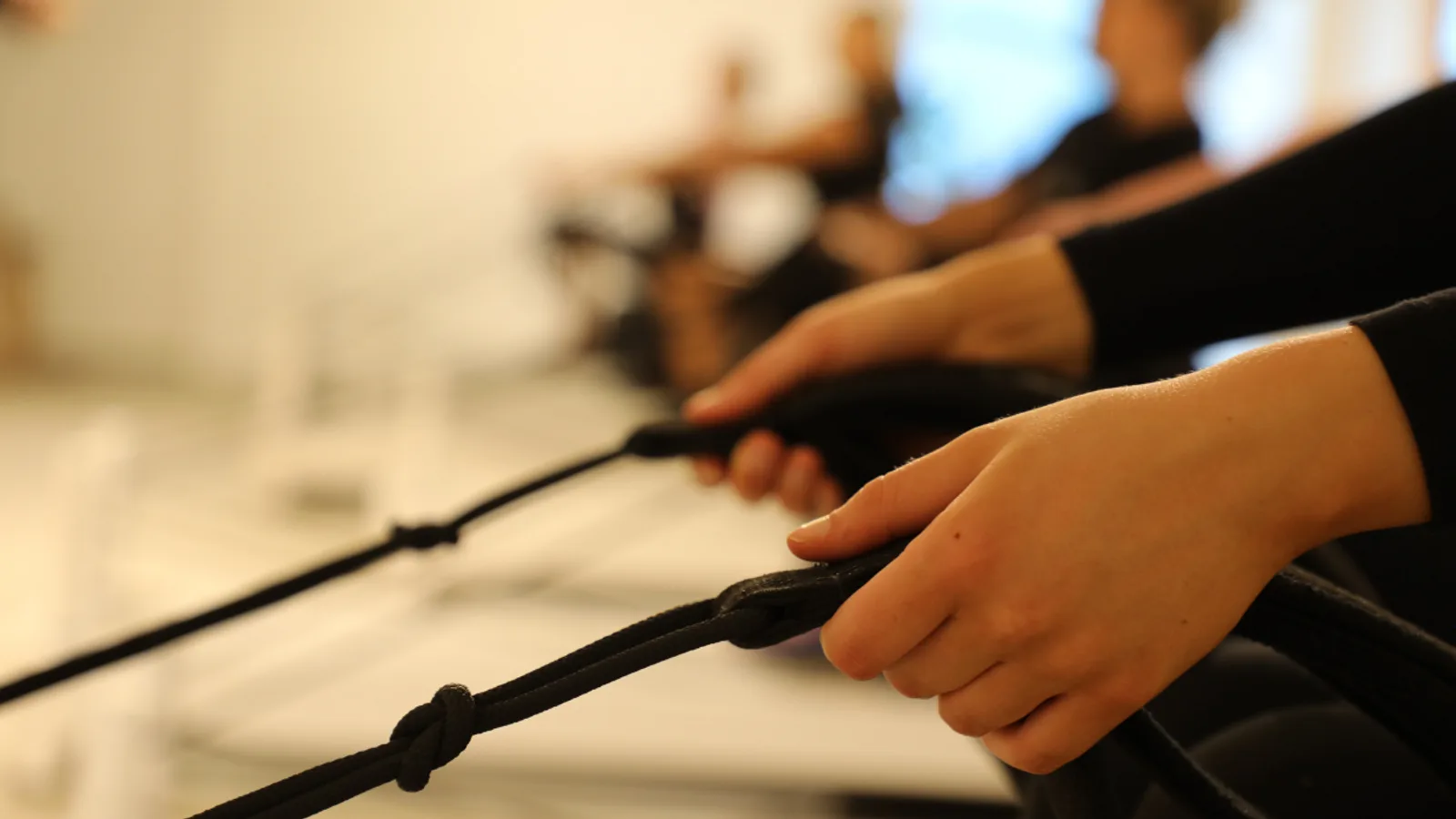
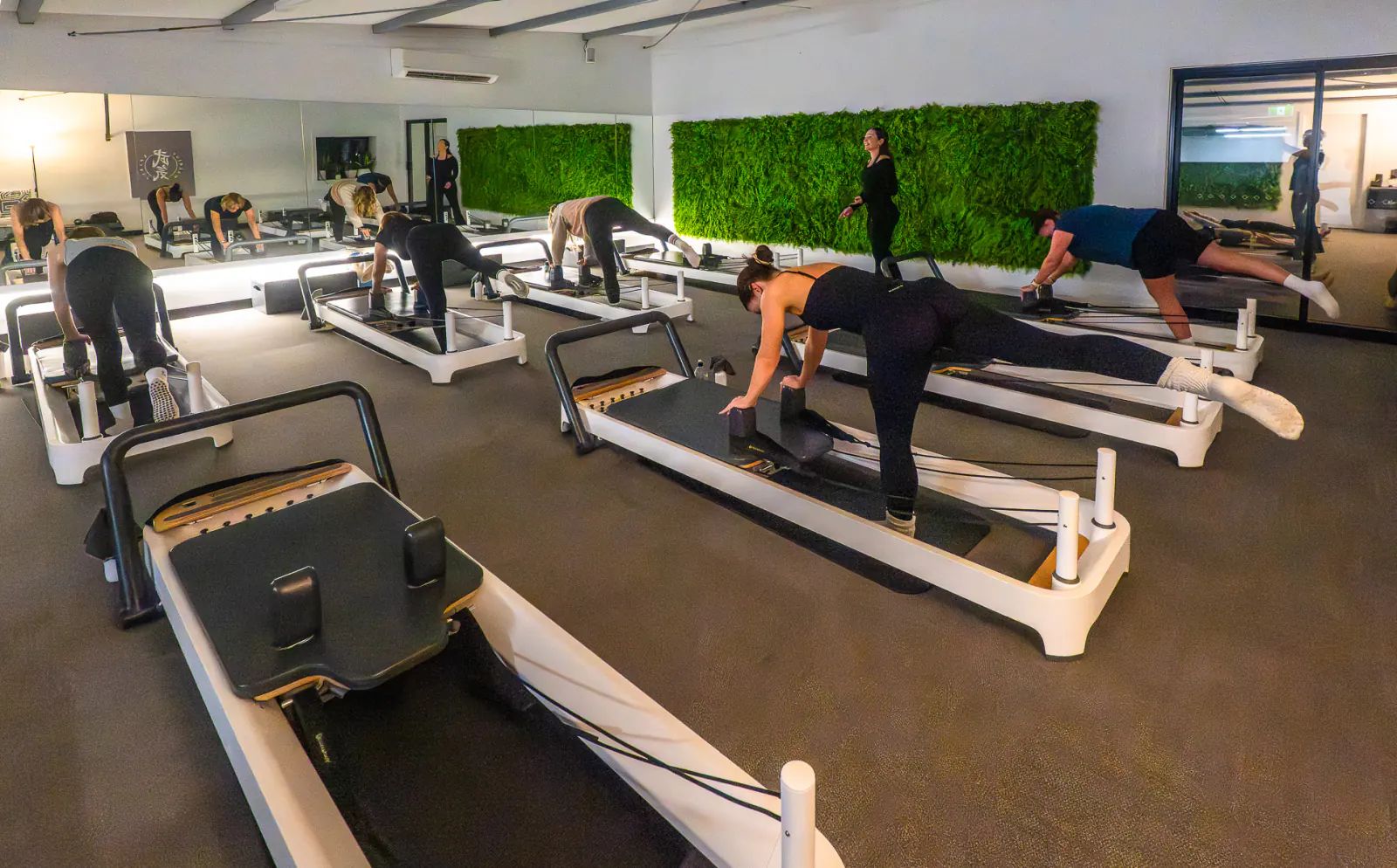
A Reformer is a resistance machine. Every push and pull happens against springs, and your instructor can make the load lighter or heavier by changing them. That makes the Reformer a very practical way to tick the muscle strengthening box, especially for people who do not enjoy a weights room or are unsure how to use one safely.
Here is how our six class styles line up against the guidelines.
Muscle strengthening. Every Reformer class on our timetable works your body against spring resistance. Two a week meets the "two or more days" recommendation on its own. Control suits beginners and Flow is the all levels staple. Tempo is our fastest class, built for people who already know their way around the machine.
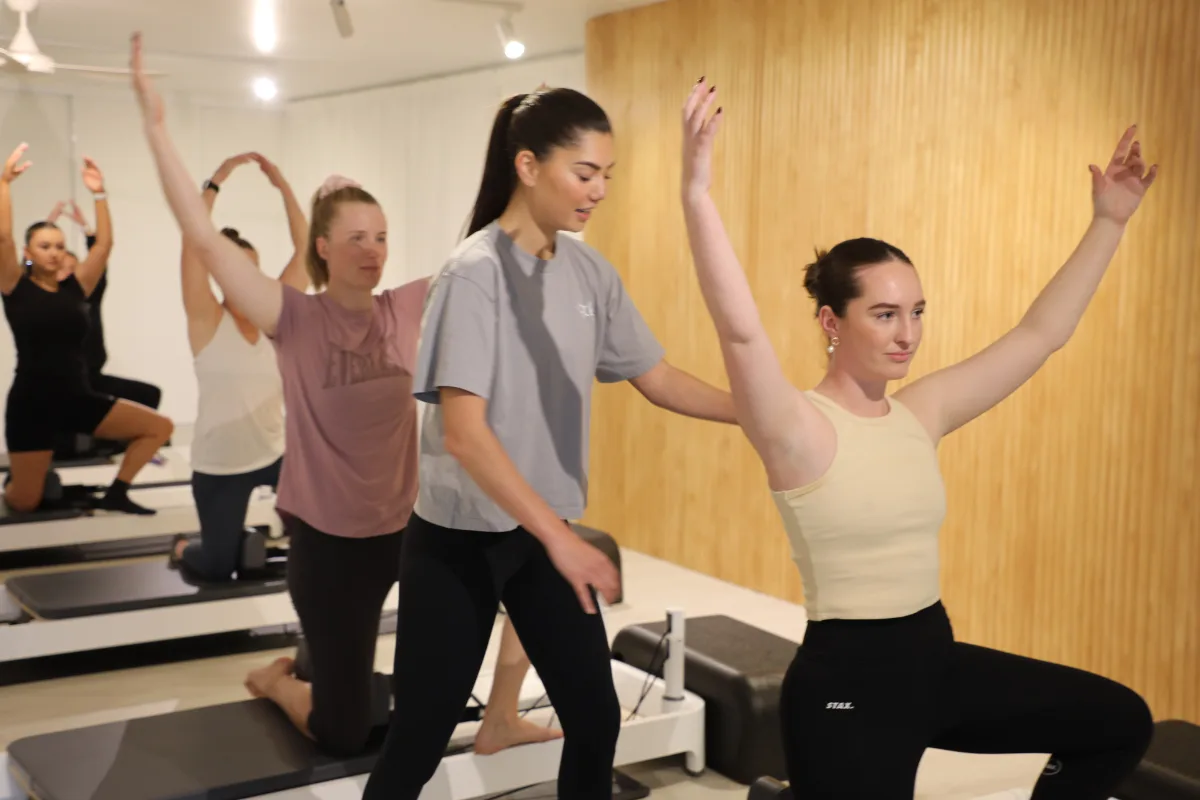
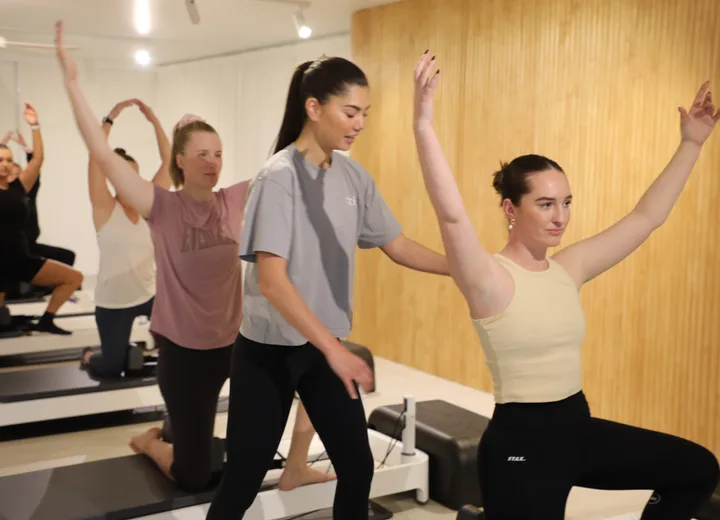
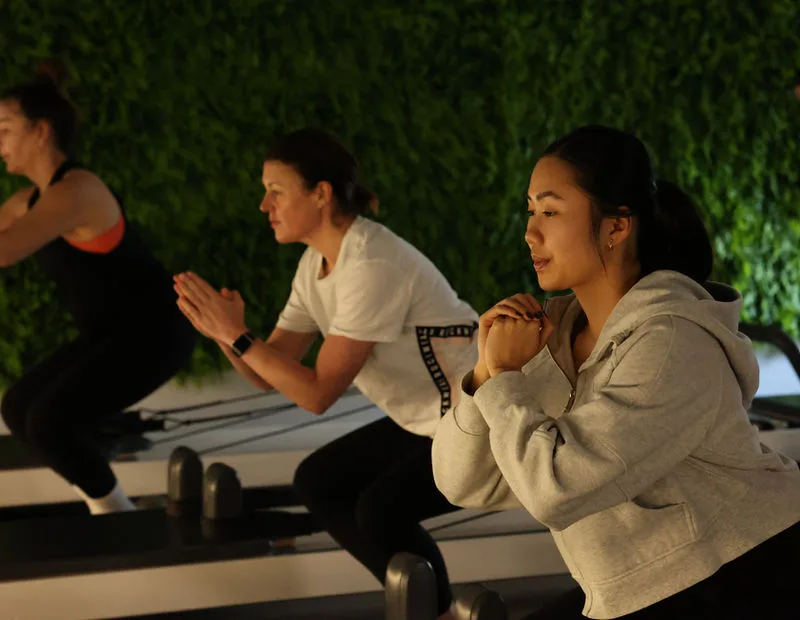
Mobility and balance. This is where Pilates does a lot of work that people do not notice. Most classes include standing or kneeling exercises on a moving carriage. Many include single leg work, and exercises that ask your spine to bend and rotate. Our Yoga classes add balance and breathwork. Stretch classes give tight hips and shoulders long holds through a fuller range. Three of these sessions across a week covers the functional activity recommendation, and the strength classes count towards it too.
Moderate to vigorous activity. Jump classes add cardio work on the jumpboard, and a Tempo class keeps you moving with very little rest. Many people will still want to pair classes with brisk walking or swimming to reach 30 minutes on most days.
What happens outside the studio
To be honest about it, no studio timetable covers the whole 24 hours. The guidelines are deliberately built around your whole day.
Light activity is the category most people underestimate. The guidelines ask for several hours of it daily. That sounds like a lot until you realise it includes pottering in the garden and walking to the shops. Hanging out the washing counts too. If your job is desk based, standing up every half hour or so adds up quickly, as does walking during phone calls. We wrote about this in more detail in the desk worker's guide to undoing a day of sitting.
Sleep sits in the same guidelines for good reason. Training hard on five hours of sleep tends to leave people sore and flat. The consistent bed and wake times the guidelines mention are as useful as the total hours.
Two sample weeks
You do not need to train every day to meet the recommendations. Here are two realistic examples, and our guide to how often to do Pilates covers frequency in more detail.
On a two classes a week membership
- Monday. Flow before work, plus a short walk at lunch.
- Tuesday. A 30 minute brisk walk.
- Wednesday. An easy swim or bike ride.
- Thursday. Control or Flow after work.
- Friday. A longer walk, taking the stairs where you can.
- Weekend. Something active you enjoy, such as a coastal walk or a surf.
That gives you two strength days from class. Both sessions include balance and mobility work. Walking and swimming fill in the moderate activity on most days.
On an unlimited membership
- Monday. Flow.
- Tuesday. Yoga in the evening.
- Wednesday. Jump.
- Thursday. Stretch.
- Saturday. Tempo or Flow.
- Sunday. A long easy walk and a proper rest.
This week covers strength on 3 days and gives you balance and mobility work on most days. Jump brings the cardio. Stretch and Yoga keep recovery in the mix.
Starting from zero
You may be reading this and realising you are nowhere near any of these numbers. That is very common. The guidelines themselves note that swapping sitting for activity of any intensity brings health benefits. Start with one or two classes a week and some daily walking, and build from there.
Check in with your GP or physio before you begin if you have a health condition or an injury, or if you have not exercised for a long time. Let us know on your enrolment form too, so your instructor can adjust your program.
The easiest way to see how classes fit into your own week is the 21 day trial, which gives you unlimited classes at both Wollongong and Shellharbour for $65. Have a look at the timetable to find two or three sessions that suit your days, then start your trial when you are ready.