


Yoga · 11 November 2026 · 5 min read
Too stiff for yoga? Why tight bodies are welcome on the mat
Yoga builds flexibility over time, so you do not need it to start. Five common worries about starting yoga, and what to expect instead.
"I would love to try yoga, but I can't even touch my toes." We hear some version of this all the time, usually from someone who has been curious about yoga for years and keeps talking themselves out of it. The picture in their head is a room full of people folding in half with ease, and they are sure they would be the only one who could not.
That picture is a long way from reality. People come to yoga stiff from desk jobs and years of sport, or simply from getting older. The practice works with whatever body arrives. Below are the most common worries we hear from nervous beginners with tight bodies, and what tends to happen instead.
"I need to be flexible first"
This is the big one, and it has things backwards. Saying you are too stiff for yoga is a bit like saying you are too unfit to start exercising. Flexibility is one of the things yoga develops. Nobody expects you to have it on day one.
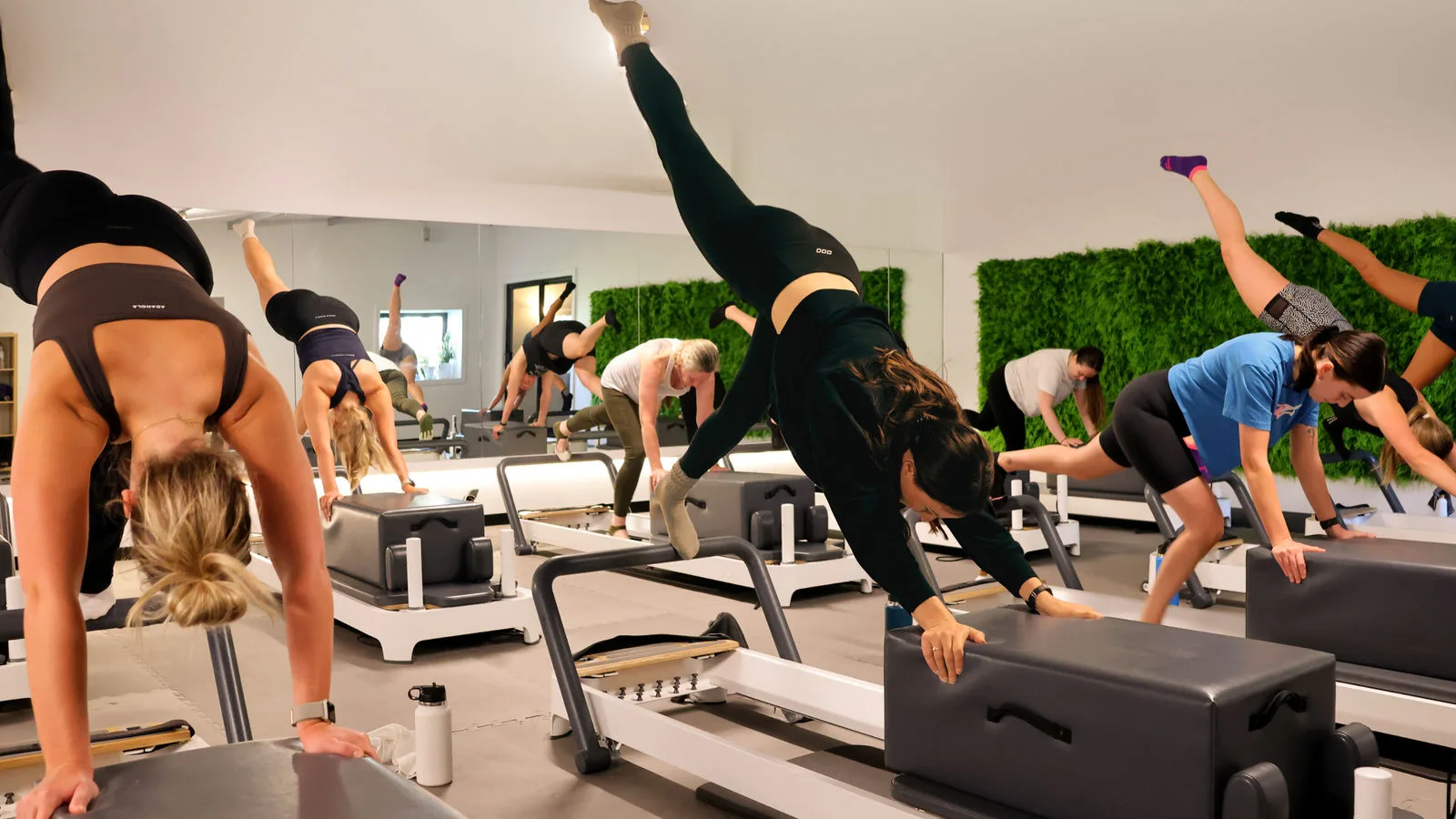
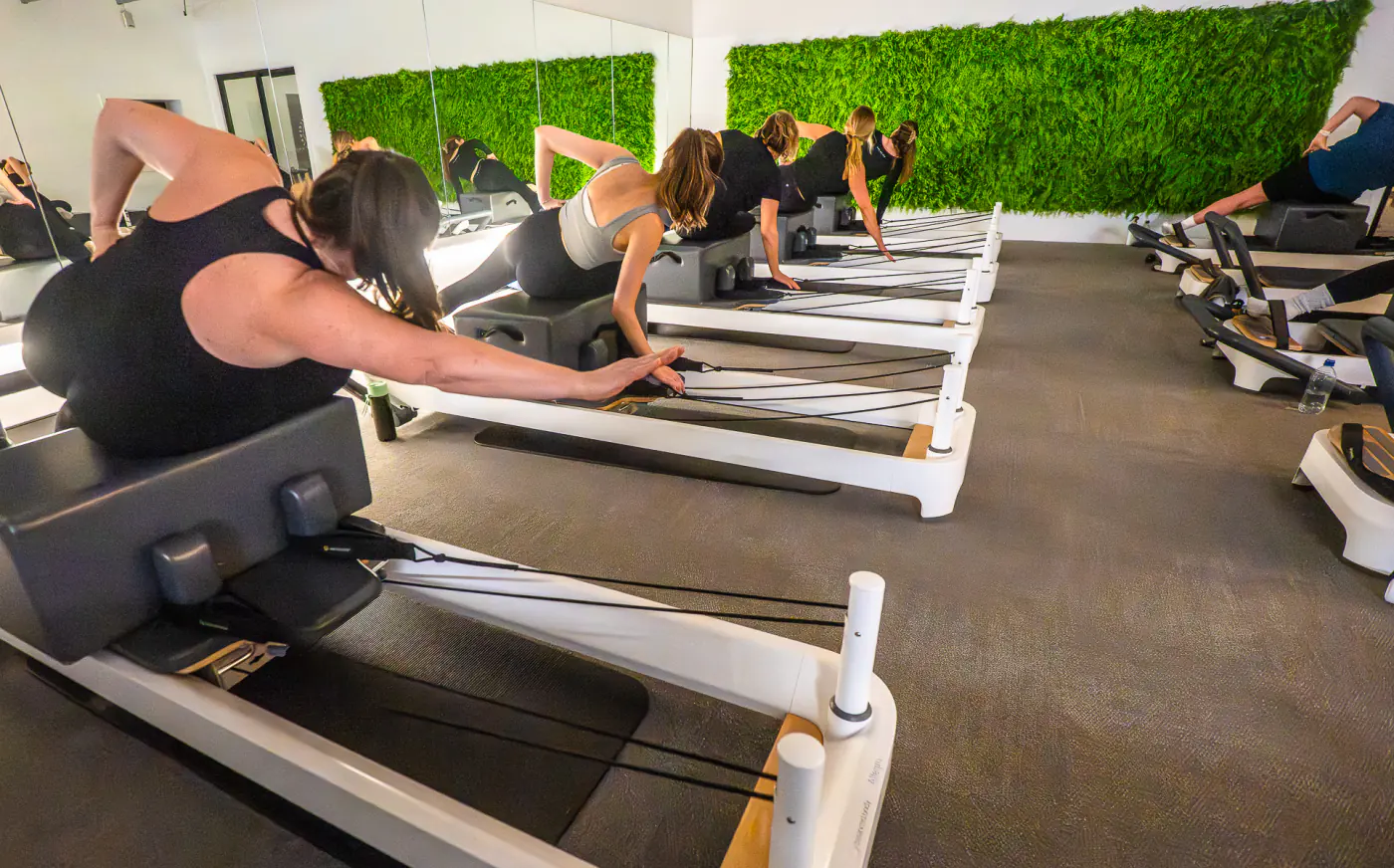
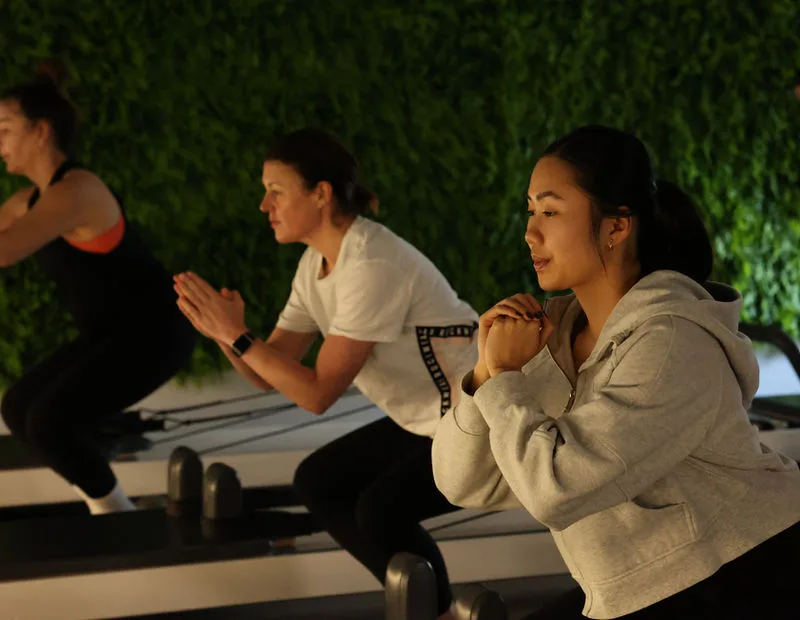
Our Yoga classes are designed for all levels, and at The Pilates Workshop they blend mindful movement with breathwork to build strength, balance and flexibility. A good teacher expects a range of bodies in the room and gives options that suit each of them. Your version of a pose might look different from the person beside you, and that is completely fine.
Stiff beginners often make the most visible progress. When you start with tight hamstrings or hips, small changes over a few weeks are easy to notice, such as reaching a little further towards your shins or sitting cross legged more comfortably.
"Everyone will be watching me"
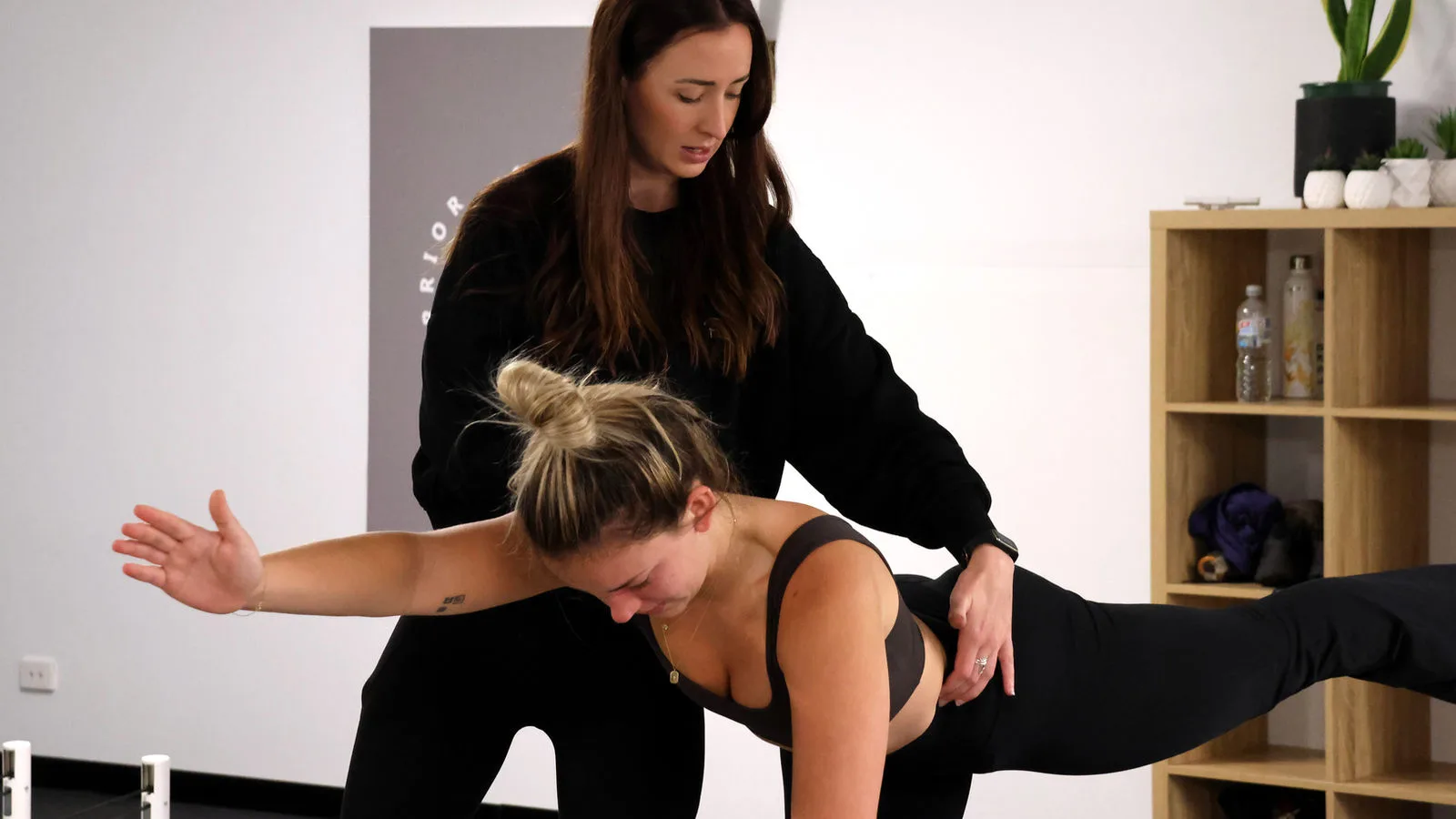
Most people in a yoga class are focused on their own breath and their own body. In a pose with your eyes on the floor or closed, you genuinely cannot see what anyone else is doing. Teachers do watch. They are looking for ways to help, such as offering an adjustment or an easier option when something does not look comfortable.
If you are nervous, arrive a few minutes early and let the instructor know it is your first class and that you are stiff. That small conversation means they can suggest variations before you need to ask. Choosing a spot towards the back or side of the room can also help you settle in.
"It is just stretching"
Yoga includes stretching, but there is a lot more to it. Holding a standing pose asks your legs and hips to work. Balancing on one leg trains the small stabilising muscles around your ankles and hips. Moving from one position to the next with control builds strength through your trunk and shoulders.
The breath is the other half of it. Yoga links movement to slow and steady breathing. Many people find that is what they notice most after their first class, describing themselves as calmer and more settled. That is one reason Yoga sits so well next to Pilates on the same timetable, as we explain in our comparison of Pilates and yoga.
"I will hurt myself trying to keep up"
This worry is a sensible one, and the answer is to treat yoga as something you do at your own range. A pose should create a stretching or working sensation, never sharp pain. Pushing deeper because the person next to you is further into a forward fold is the main thing to avoid.
A few habits keep stiff bodies safe and comfortable:
- Bend your knees. In forward folds and many standing poses, bent knees take the strain off tight hamstrings and your lower back. You still get the benefit, in a range your body can manage.
- Bring the floor closer. If your hands do not reach the floor, rest them on your shins or on a block if one is offered. At home, a thick book does the same job.
- Use the breath as a guide. If you cannot breathe slowly and steadily in a position, ease off until you can.
- Take the rest option. Child's pose or simply lying on your back are always available. Resting when you need to is part of the practice.
Talk to your GP or physio before class if you are pregnant or have an injury or joint replacement. The same goes for high blood pressure and glaucoma, where some head down positions may need changing. Let your instructor know about any of these before class starts.
"I am not calm or spiritual enough"
You do not need to arrive calm, and you do not need any particular beliefs. Many people come to yoga precisely because their mind is busy. The practice gives you something specific to focus on. Mostly that is your breath and how your body feels in each position, and that focus is often what settles a busy head.
If parts of a class feel unfamiliar, such as a few moments of stillness at the end, you are free to simply lie there and breathe. There is no wrong way to rest.
What your first few weeks might look like
Progress in yoga tends to come in small, practical wins. Bending down to tie your shoes starts to feel easier, and looking over your shoulder while reversing the car takes less effort. Getting up off the floor after playing with the kids or the dog gets smoother too.
Consistency matters more than intensity. One class a week, plus a few minutes of gentle movement at home on other days, is a realistic starting point. Many people find stiff areas loosen faster when they combine yoga with Pilates, since the two practices work on similar things from different directions.
Where to start at our studios
At the time of writing, Yoga runs on Tuesday evenings at both our Wollongong and Shellharbour studios, with classes of 45 to 50 minutes. Times can change, so check the timetable for the current schedule. Our Stretch classes are another friendly option if you want longer holds and a slower pace.
If you are new to the studio, the 21 day trial gives you unlimited access to every class style at both studios for $65, so you can try Yoga alongside Pilates and see how your body responds. You can start your trial online and book your first Yoga class straight from the timetable.