


Trending · 10 November 2026 · 5 min read
Pilates for men: the trend that started with a man
Pilates has a reputation as a women's workout, but it was built by a man and suits men's training well. Why more blokes are giving it a go.
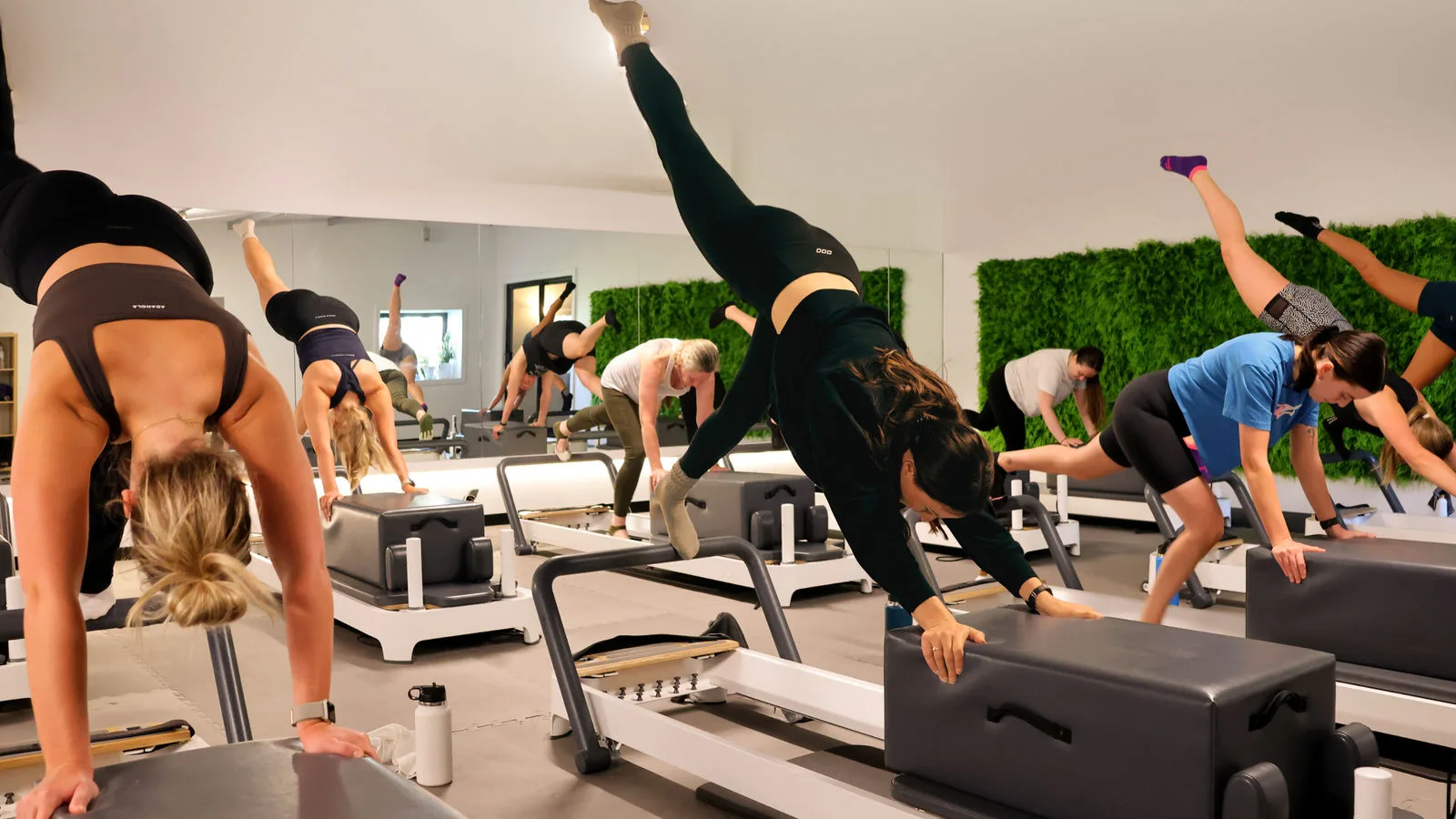
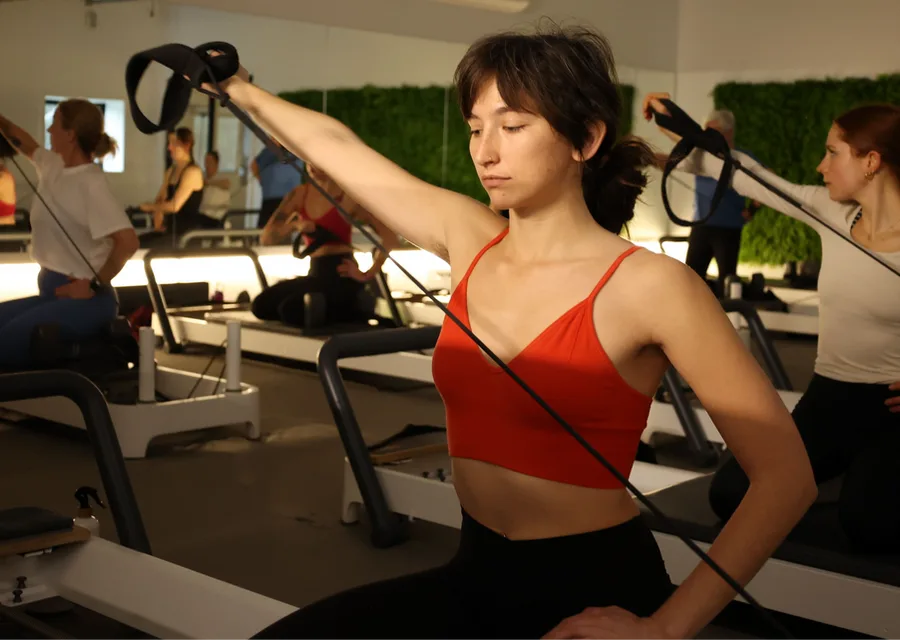
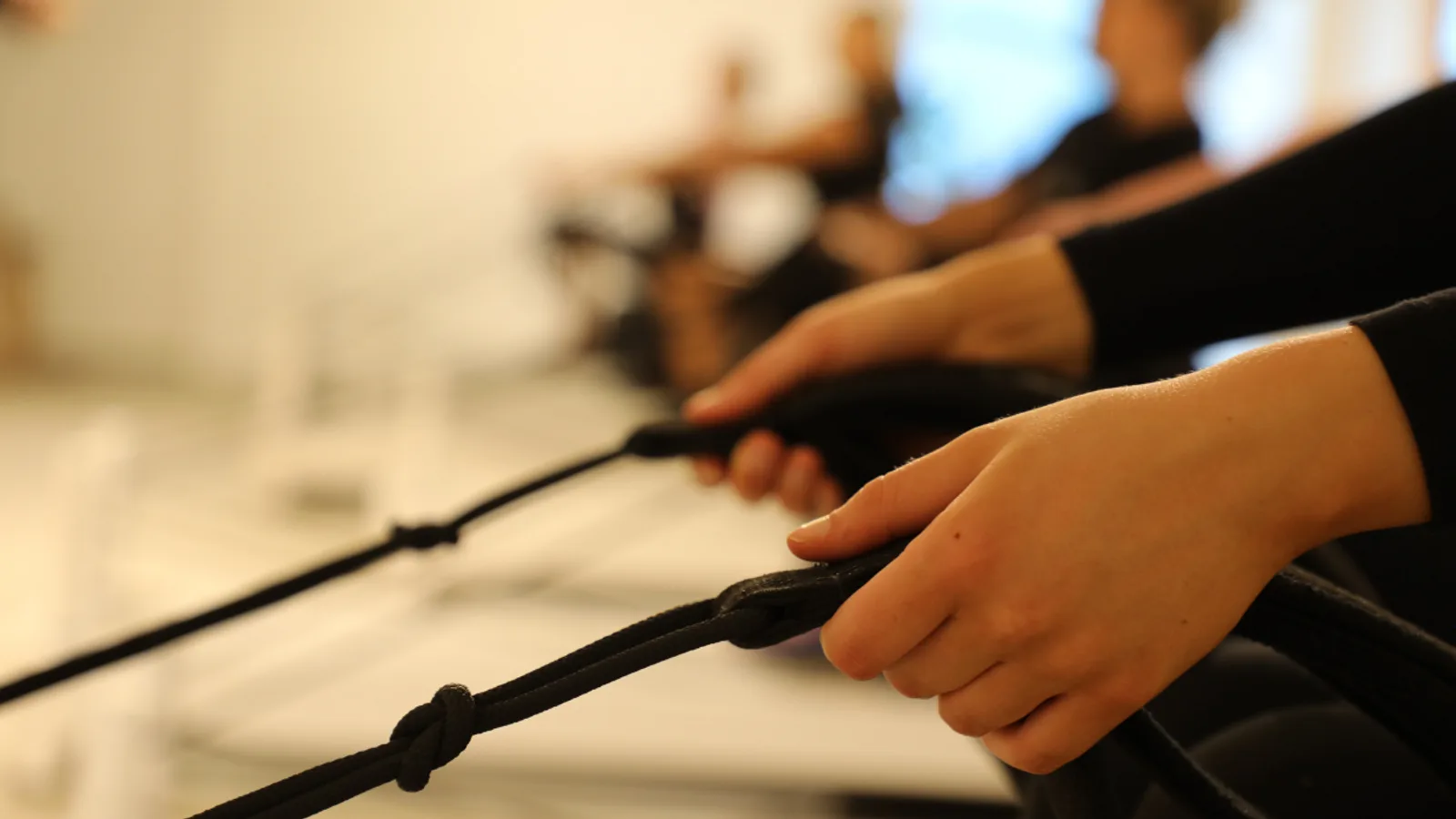
Scroll through Pilates content online and you could easily think it was designed for one type of person, in matching activewear, holding an iced latte. That image has helped make Pilates the most booked workout in the world, and it has also kept a lot of men from trying it.
That is starting to change. The founder of one London studio told BikeRadar that they had seen a noticeable increase in men taking part in Reformer Pilates sessions. Plenty of men who play footy or surf now have a Reformer class in their week, often because a physio or a teammate suggested it. Many of them are surprised to learn that the method they had written off was invented by a man.
A man's method from the start
Joseph Pilates was born in Germany and was working in England as a circus performer when the First World War began. Like many German nationals living in Britain, he was interned. He spent the later years of the war at Knockaloe, a large internment camp on the Isle of Man, and it was there that his ideas about exercise and rehabilitation took shape. After the war he moved to New York. There he opened a studio with Clara, and together they taught the method he called Contrology.
Knockaloe held only men, so the people around him while his ideas developed were men. Later, his New York studio drew a wide mix of students, and the choreographer George Balanchine is among the well-known names linked to it. The idea that Pilates belongs to one gender is a much more recent marketing story than the method itself.
What men tend to get from it
Every body is different, but a few benefits come up again and again for men who add Pilates to their week.
Mobility where it is often missing
Many men are strong in some directions and stiff in others. Tight hips and hamstrings, a rounded upper back from desk work and limited shoulder movement overhead are common. Pilates builds strength through a controlled range, and over time many people find that range gets bigger. Our Stretch classes use longer holds to target these areas in particular.
Core strength that does a job
Plenty of men can do a set of sit-ups. Fewer have trained the deep muscles that keep the spine steady while the arms and legs move. Pilates trains those muscles in nearly every exercise, which is useful for everything from lifting and carrying to golf swings and paddling. If you want to know what core strength means in practice, our article on what core strength means is a good start.
Strength without the joint wear
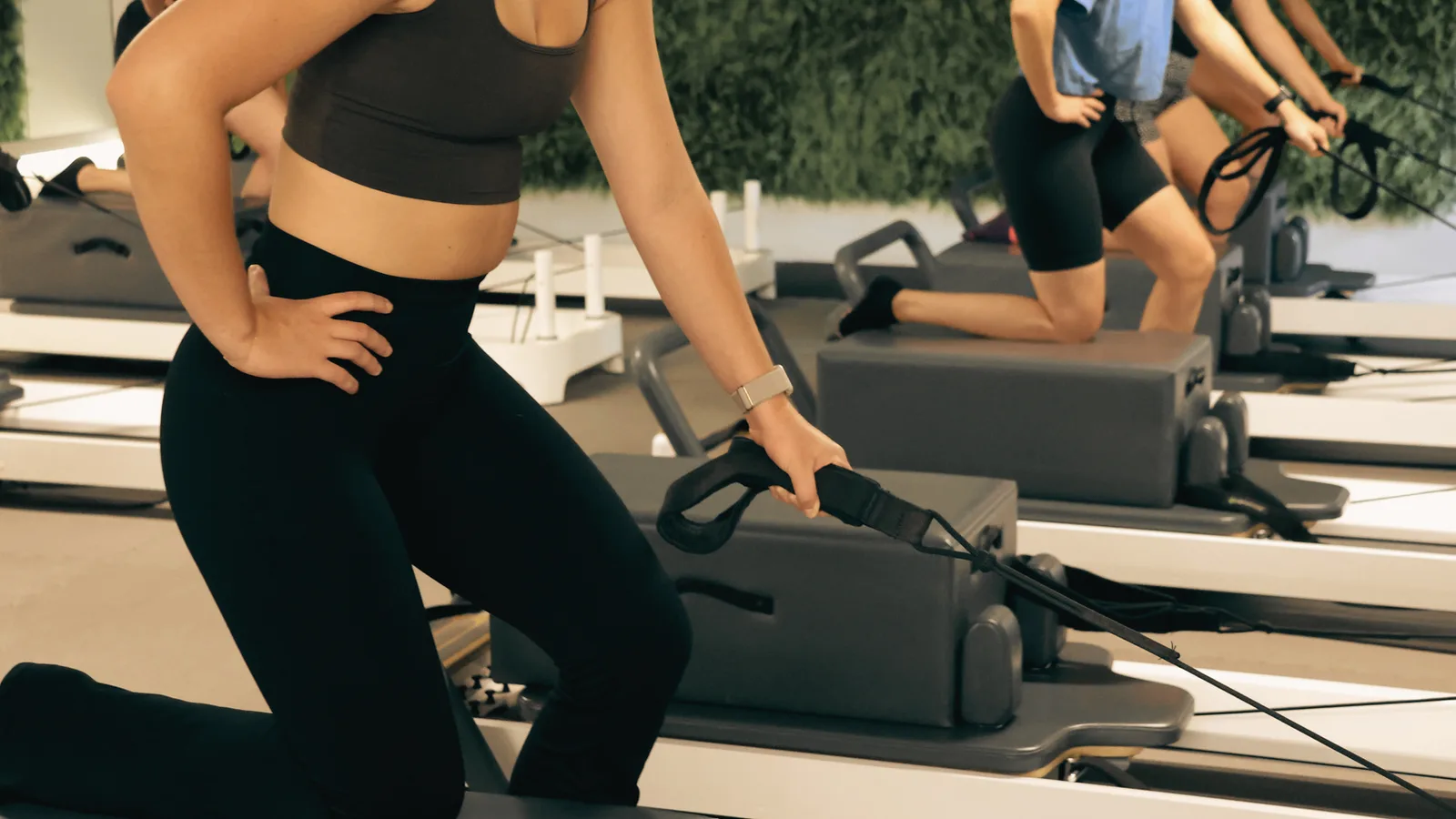
Reformer springs give genuine resistance without heavy load on the joints, and with no impact. For men who have spent years playing contact sport or lifting heavy, that is often a welcome change, and a good way to keep training into later decades.
Better performance in other sport
Better hip control and trunk strength carry over into most sports. A surfer may feel it when popping up, and a golfer may feel it in a smoother rotation through the swing. Pilates rarely replaces another sport, but it tends to make the rest of your training work better.
The myths that keep men away
"It's just stretching"
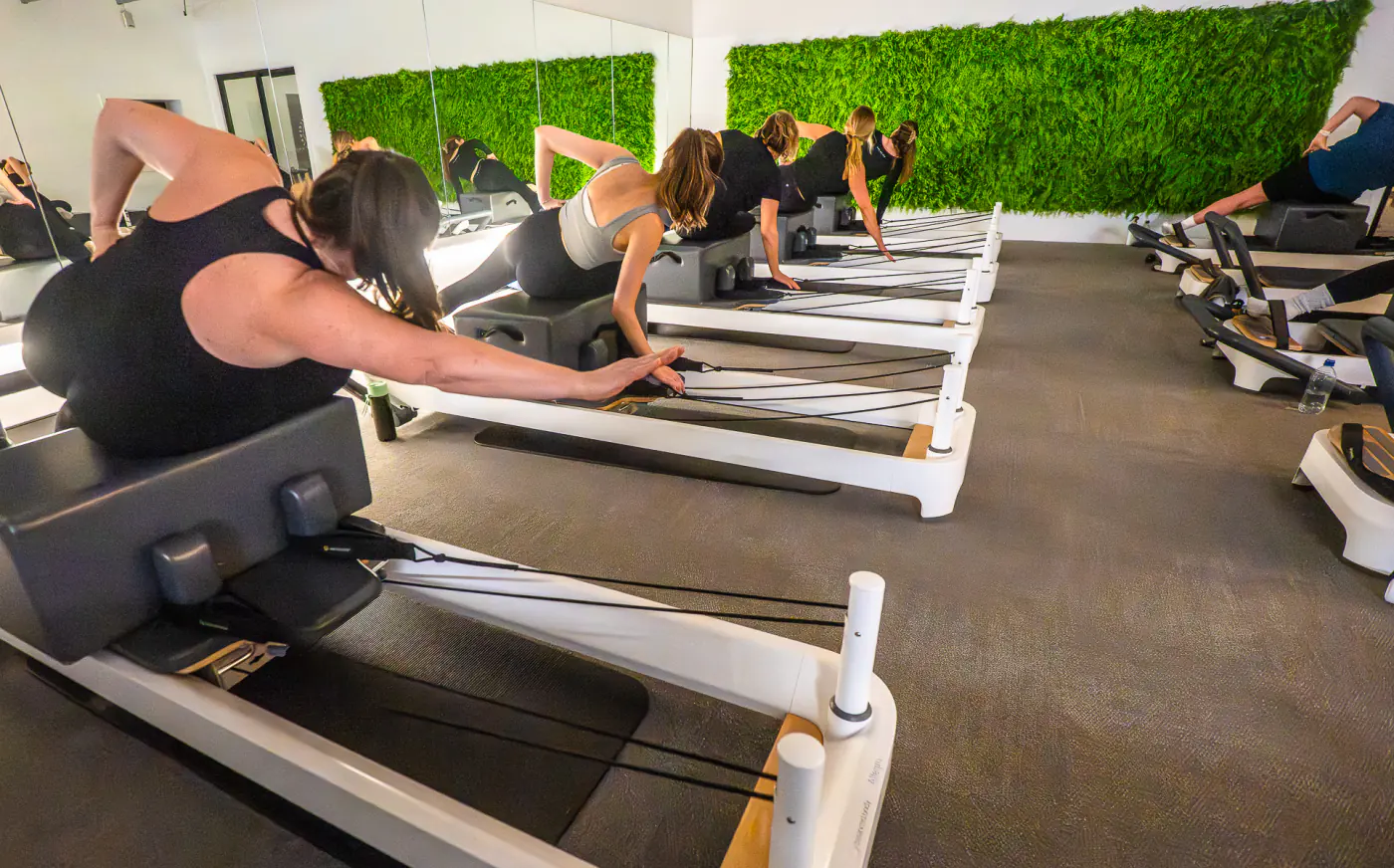
Book a Tempo class, our fastest session, which is full of complex flows and harder transitions. Or try holding a plank on a moving carriage for a minute. Pilates includes stretching, but it is very much strength training.
"I'm not flexible enough"
Flexibility isn't a prerequisite. It is one of the things Pilates builds. Instructors adjust springs and positions to suit where you are today.
"I'll be the only bloke there"
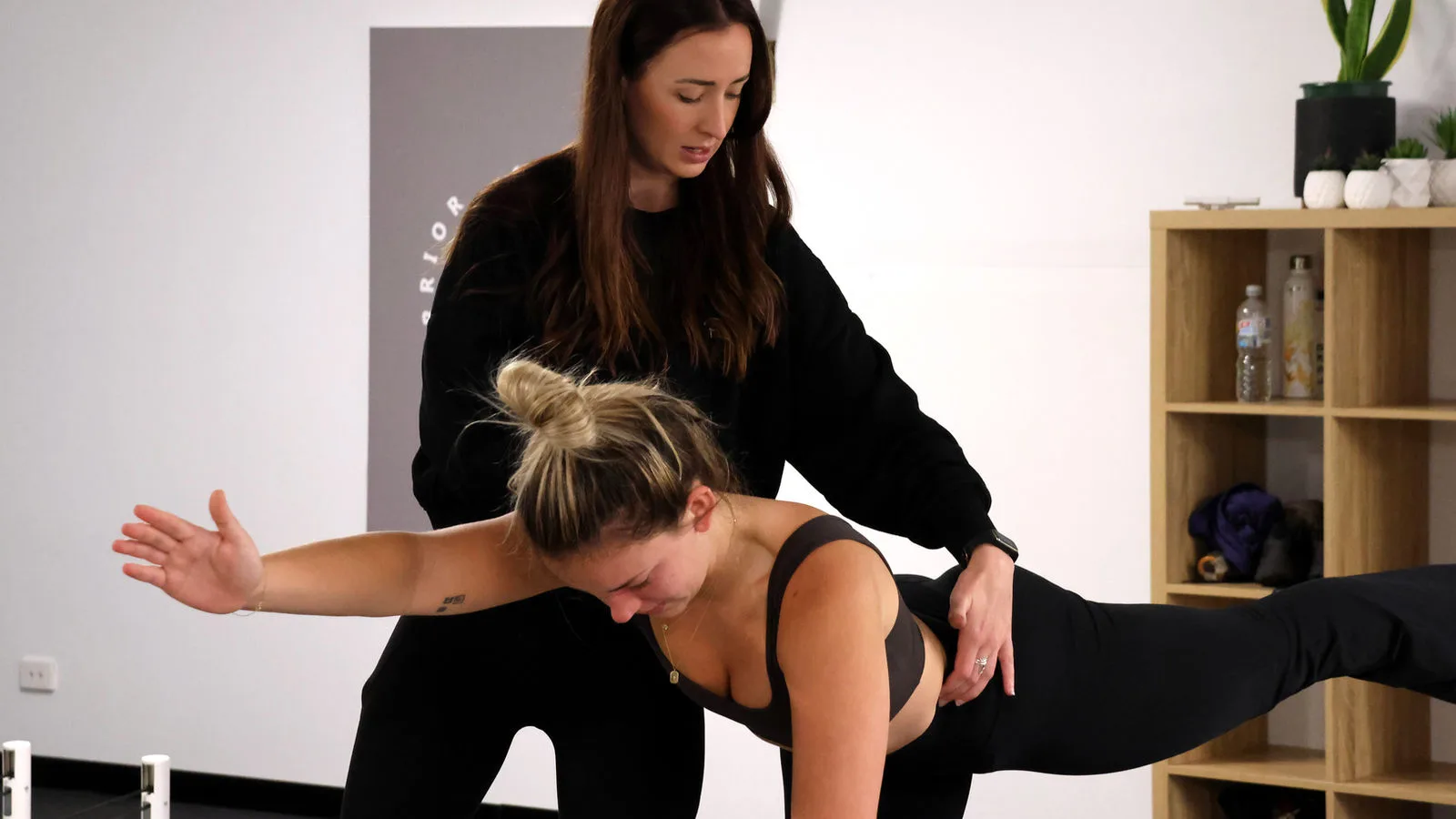
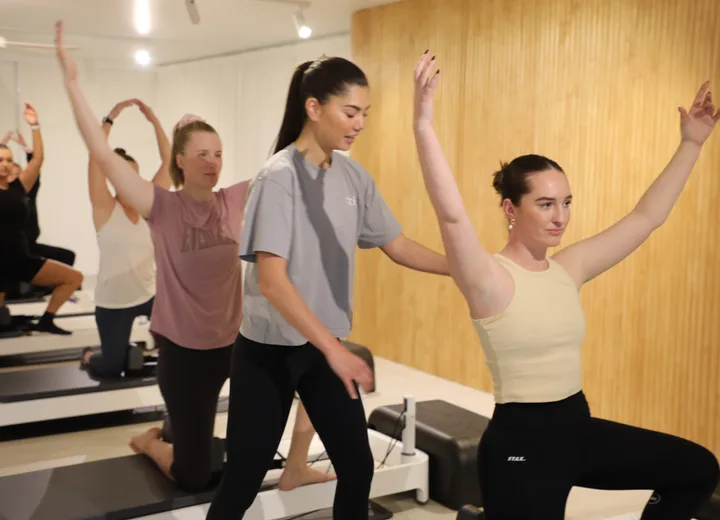
You may be in the minority in some classes, but you won't be the first man to walk through the door, and nobody is watching you. Everyone in a Reformer class is busy with their own work. Our instructors are experienced with a wide range of clients, and that includes men and sports professionals.
"It won't be hard enough"
This one usually lasts until about the second exercise. A light spring can be harder than a heavy one, because the carriage is freer to move and your stabilising muscles have to work overtime. Many strong men find that slow, controlled work exposes weaknesses they didn't know they had.
How to start
If you are new to Pilates, a few tips make the first few weeks easier.
- Start with Control. Even if you are fit, our slowest class is the best place to learn the positions and the machine. It makes everything else on the timetable more effective.
- Wear fitted clothes. Shorts and a T-shirt that won't ride up during leg work or when you lift your hips are ideal. Grip socks are required, and you can buy a pair at the studio.
- Leave the ego at the door. Use the springs your instructor suggests and focus on control rather than load.
- Tell your instructor about old injuries. Old footy knees and tight backs are common, and instructors can adjust exercises to suit. If you have a current injury, check with your GP or physio first.
- Give it a few weeks. The first class is mostly orientation. The changes start showing up after regular sessions.
- Pick a time you can keep. Both studios run classes from 5:45am on weekdays, and on Saturday mornings. An early session before work is often the easiest one to protect, even if your working day starts early.
Pilates and conditioning under one roof
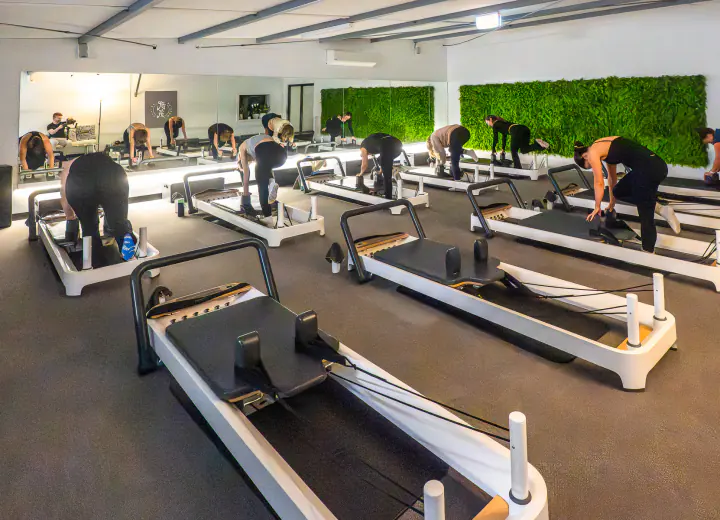
If you like a mix of styles, our Wollongong studio also has Mpower Martial Fitness on site, with Box, Build & Burn small group sessions and live heart-rate tracking. Combined Pilates and Mpower memberships are available at a major discount. It is an easy way to pair high energy conditioning with the control work Pilates is known for.
Give it a go
Pilates has spent a long time being sold as something it was never meant to be. The method Joseph Pilates began shaping in an internment camp was about strength and control, and men have been doing it from the beginning.
The 21 day trial gives you unlimited group classes at Wollongong and Shellharbour for $65, with no membership and no lock-in. Book a Control class on the timetable, bring a mate if it helps, and find out what the fuss is about.