



Trending · 14 November 2026 · 6 min read
What your smartwatch misses about your Pilates class
Wearables are the top fitness trend for 2026, but Pilates confuses them. Why the numbers can look odd after class, and what is worth tracking.
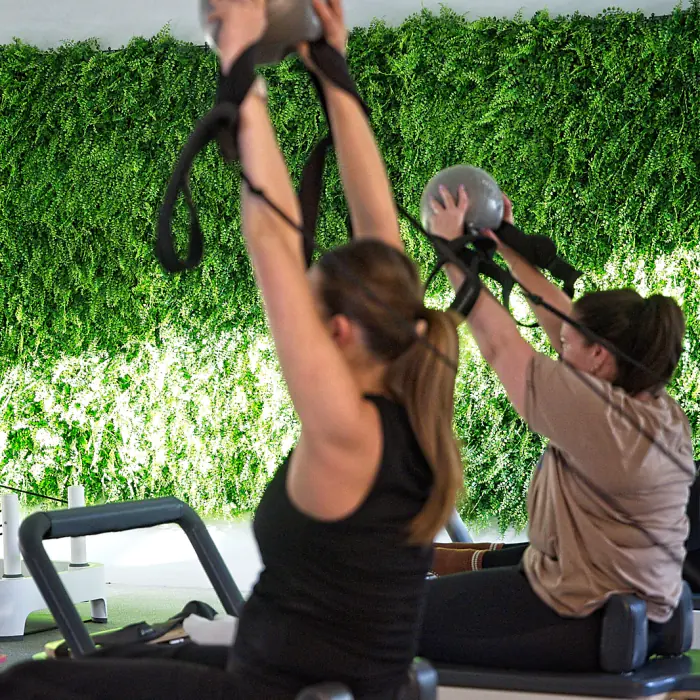
You finish a Reformer class with shaking legs and abs that will remind you about it tomorrow. Then you check your watch. It says you burned about the same as a stroll to the shops and gives you a step count barely worth mentioning.
If that has ever made you wonder whether the class "counted", you aren't alone. Wearables are everywhere, and they are useful tools. They just aren't very good at understanding Pilates. This article explains why, and what to pay attention to instead.
Wearables are the trend of the moment
For 2026, the American College of Sports Medicine's worldwide survey of fitness trends ranked wearable technology as the number one trend, based on responses from about 2,000 health and fitness professionals. Watches and rings now track heart rate and sleep for millions of people, along with step counts and an estimate of calories burned.
That is a good thing in many ways. Wearables make people more aware of how much they move, and they can be great for building habits. The catch is that they are designed around certain kinds of movement, and Pilates isn't one of them.
Why the numbers can look wrong
Calorie estimates are rough at the best of times
Researchers at Stanford University tested seven popular wrist-worn devices in 2017. Six of them measured heart rate within about 5 per cent under laboratory conditions. Their estimates of energy expenditure were far less reliable. The most accurate device had a median error of about 27 per cent, and the least accurate about 93 per cent.
That study looked at familiar activities like walking and cycling. If calorie estimates struggle with those, they are going to struggle more with exercise that looks nothing like them.
Pilates doesn't look like exercise to a watch
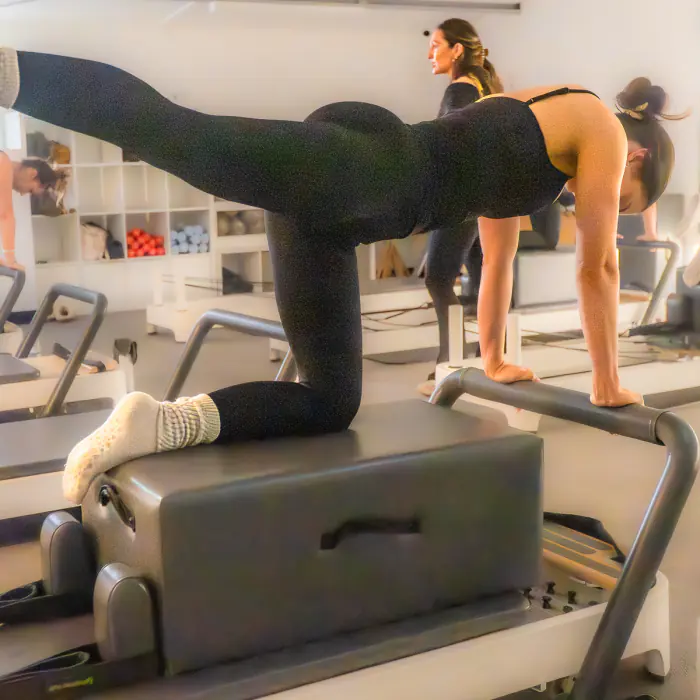
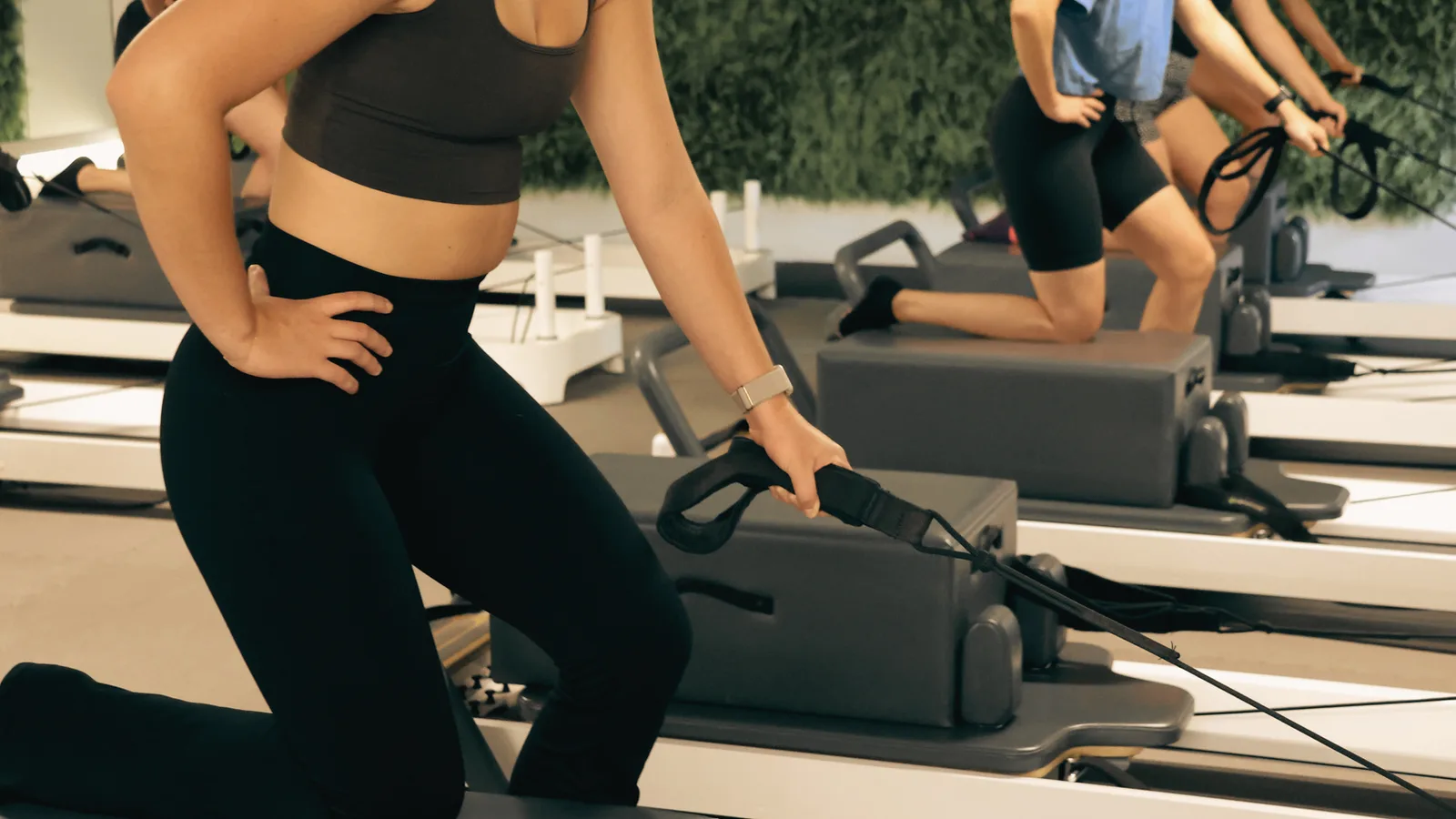
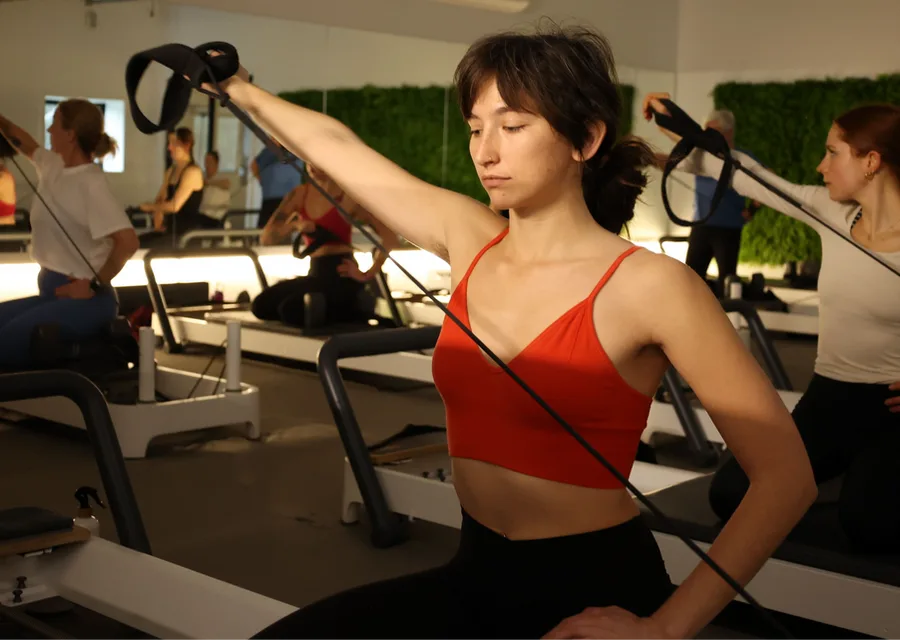
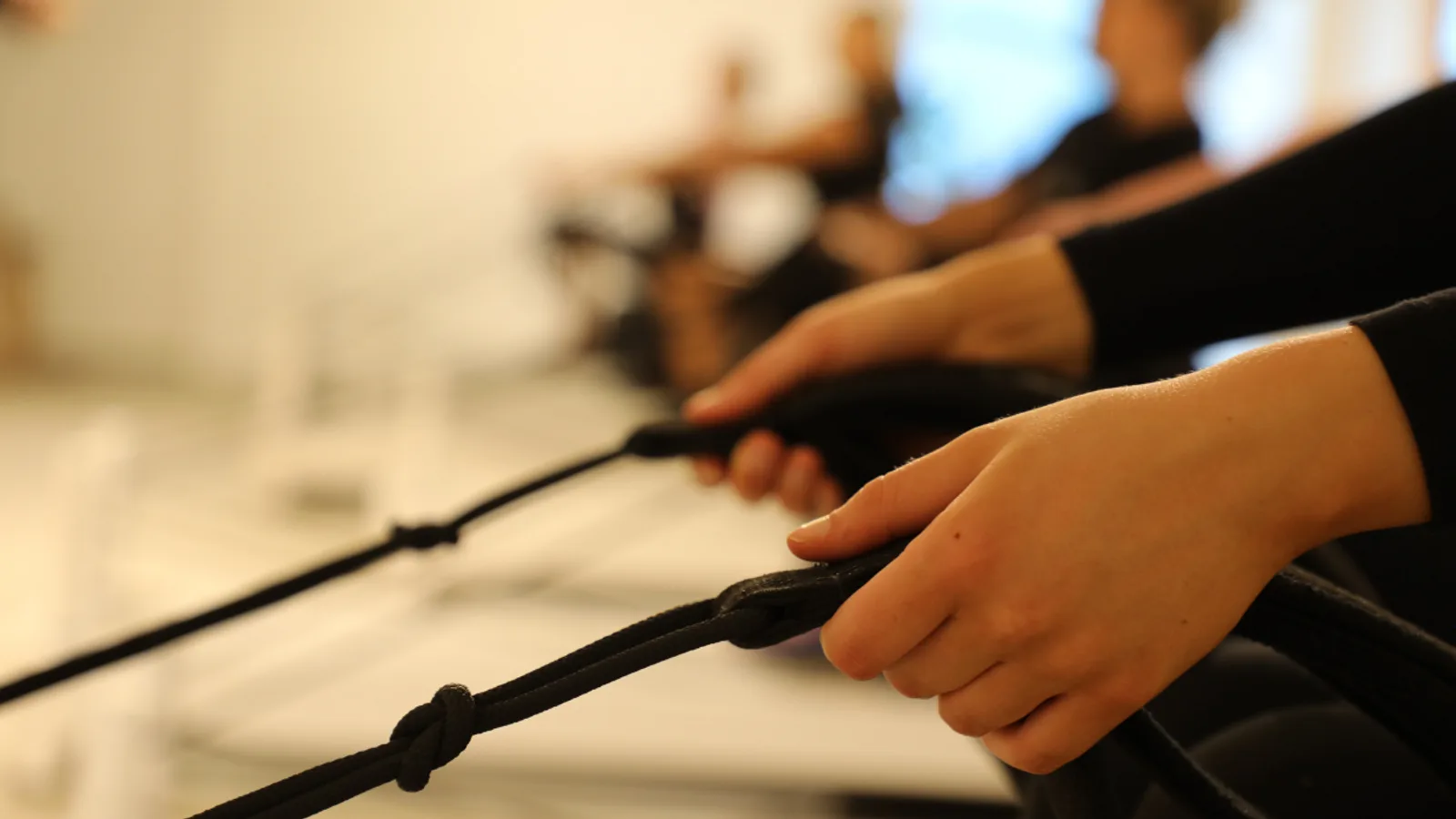
Most devices estimate effort from a combination of heart rate and movement. In a Reformer class, a lot of hard work happens with very little arm movement. During footwork your wrists are still on the carriage. During a plank, your arms are locked in place while your trunk works hard to hold you steady. To a sensor that relies partly on motion, that can look like rest.
Strength work affects heart rate differently
Resistance exercise often doesn't push your heart rate as high as running does, even when your muscles are working near their limit. A slow, heavy set of lunges on the carriage can leave your legs burning without your heart rate climbing much. Muscles can be working very hard without your cardiovascular system showing it in the same way.
Wrist positions can interfere
Optical heart rate sensors on the wrist work best when the device sits snugly and the wrist stays fairly still and straight. Planks and strap work both bend or press on the wrist, which can affect readings. Some people also find their watch gets in the way during these positions and take it off altogether.
What your watch is good for
None of this means your wearable is useless. It is very good at some things that matter.
- Consistency. Logging each class as a workout gives you a simple record of how often you train. Regular training is what drives progress, so the streak matters.
- Trends over time. Resting heart rate and sleep data are more useful as long-term trends than single readings. If they shift over months of regular training, that is interesting information.
- Daily movement. Step counts are a decent reminder to move between classes, especially on desk days.
- Cardio sessions. In a Jump class, where you are moving rhythmically on the jumpboard, your heart rate readings are likely to be more meaningful.
If you want more accurate heart rate data during workouts, a chest strap is generally more reliable than a wrist sensor. Our Wollongong studio's Mpower Martial Fitness sessions use live Myzone heart-rate tracking in the studio, so you can train at the right intensity.
Getting better readings if you wear one
If you like having your classes logged, a few small changes help. Wear the watch snugly, a finger's width above the wrist bone, so the sensor stays in contact with your skin. Start a workout before class rather than relying on automatic detection, and pick a Pilates or strength option if your device has one. If the watch digs into your wrist during planks or kneeling work, it is fine to slip it into your bag for the class and log the session manually afterwards.
What to track instead
The most useful Pilates progress markers don't come from a sensor. A few to keep an eye on:
- Springs and variations. When your instructor suggests a heavier spring for footwork, or a harder variation of an exercise, your strength has improved.
- How long you can hold good form. If you can stay steady in a plank or kneeling position for longer without your form collapsing, your endurance is improving.
- Ease in daily life. Getting up off the floor easily, or sitting at your desk without aching, are signs of real change.
- How you feel after class. Your energy and mood after a session are worth tracking, and a quick note in your phone is enough.
- Your class count. Our FAQ says we expect you will notice a difference, particularly in your abdominals, after about 10 sessions. Counting to 10 is a great first milestone.
Don't chase the calorie number
It is tempting to judge a workout by the number on the screen, and to pick sessions that make that number bigger. That can lead people away from the kinds of training their body needs most, like strength and mobility work. Australia's physical activity guidelines recommend muscle strengthening activities on at least two days each week, and a Pilates class meets that goal whatever your watch says.
If weight management is one of your goals, a calorie estimate on a wrist isn't a reliable guide. Your GP or an accredited practising dietitian can help you work out what is right for you.
Let your body be the data
Wearables are great at counting steps and noticing patterns. Pilates builds the kind of strength and control they aren't designed to see. Keep wearing your watch if you like it, log your classes for the streak, and judge your progress by how your body moves and feels.
To start collecting that kind of data, the 21 day trial gives you unlimited group classes at Wollongong and Shellharbour for $65, with no membership and no lock-in. Book a class on the timetable, log it however you like, and pay attention to what your body tells you afterwards.