




Benefits of Pilates · 12 November 2026 · 6 min read
Stronger side, weaker side: how Pilates evens you out
Almost everyone has a dominant side. How single-sided work on the Reformer shows up imbalances and helps both sides share the load.
Try this the next time you stand at the bus stop. Notice which leg you are leaning on. Then think about which shoulder you carry your bag on, and which foot you push off when you step up a kerb. For most people, the same side wins almost every time.
Having a dominant side is completely normal. Our bodies aren't perfectly symmetrical, and we all have preferences built up over a lifetime of habits and work. The trouble starts when one side does far more than its share for years on end. The busy side gets tight and overworked while the other side does less and less, and the body starts finding workarounds.
Pilates is one of the best ways we know to spot those patterns and gently even them out. This is how it works.
Where imbalances come from
Most imbalances are the product of ordinary life rather than anything dramatic.
- Handedness. Your dominant hand does the fiddly jobs, and that arm tends to get stronger.
- Daily habits. Always crossing the same leg, or carrying the same bag on the same shoulder.
- Sport. Tennis and golf favour one side, and so do plenty of other sports. Surfers, for example, tend to ride with the same foot forward every wave.
- Work and family life. Tradies who always kneel on the same knee, and parents who carry a baby on one hip for months.
- Old injuries. After a sprained ankle or sore knee, it is natural to favour the other side. Often the habit stays long after the injury has healed.
None of this is a problem in itself. Small differences are part of being human. Larger imbalances, though, can affect how well you move and may leave one side doing more than it comfortably should.
Why the Reformer reveals them
On the floor or in a gym, it is easy for your stronger side to take over without you realising. In a squat or a push-up both sides work together, so the dominant one can carry the other without you noticing.
The Reformer makes that much harder to hide.
Single-leg and single-arm work
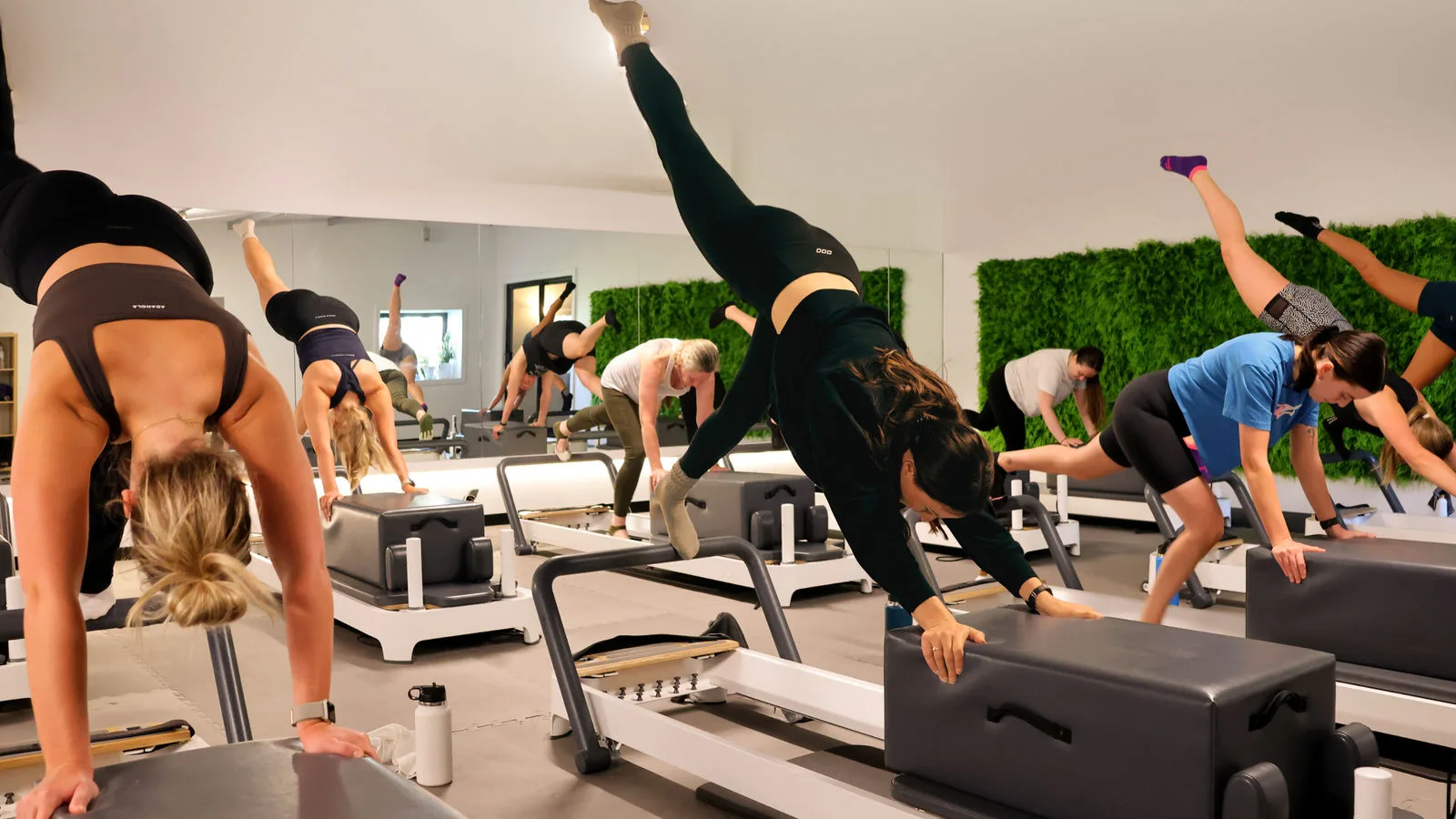
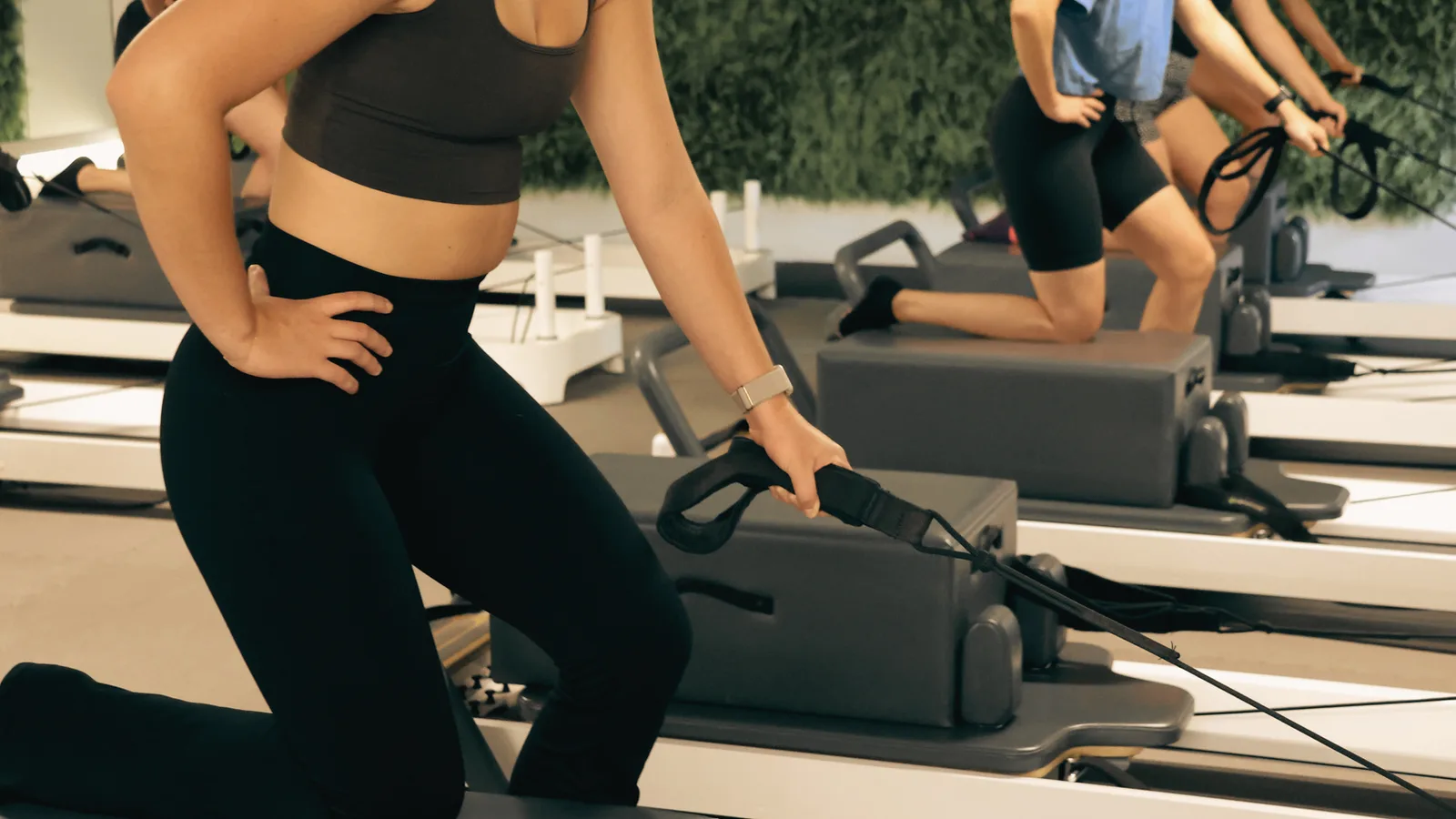
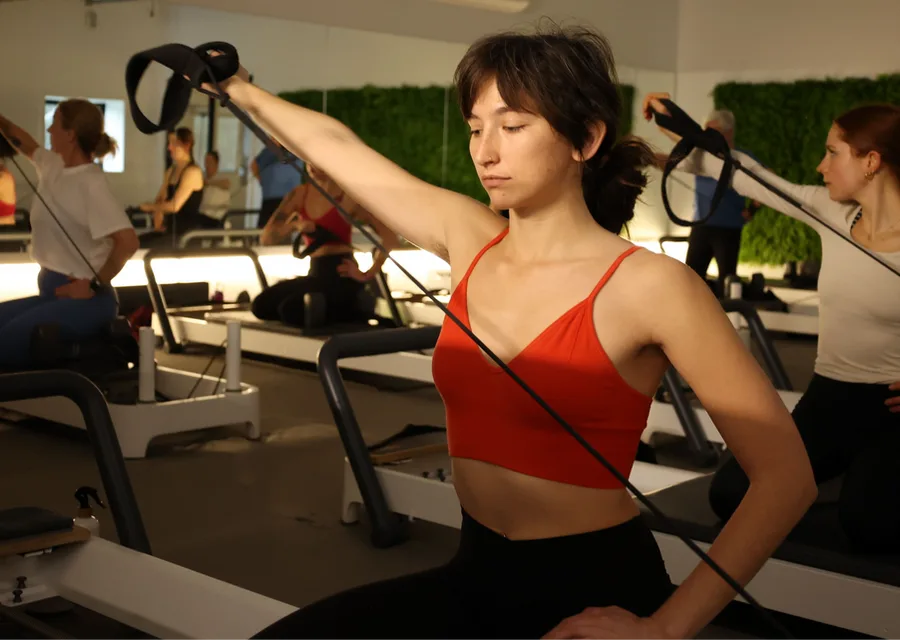
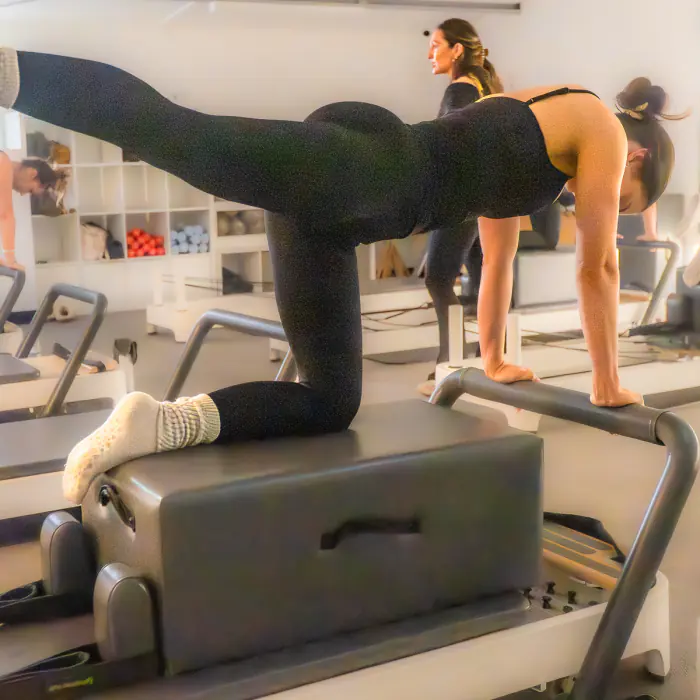
Many Reformer exercises work one side at a time. Single-leg footwork and single-arm strap exercises both isolate one side, so you feel straight away when one is weaker or less coordinated. Standing lunges and side-lying leg work do the same for the hips.
The carriage tells on you
During double-leg footwork, if one leg pushes harder than the other, the carriage can drift slightly. You feel it, and your instructor sees it. That instant feedback is useful, because the first step in fixing an imbalance is noticing it.
Same springs, both sides
When you switch sides, you usually keep the same spring setting. That gives you an honest comparison. If the left leg finds a setting easy and the right leg struggles, you have learned something about your body.
Alignment cues
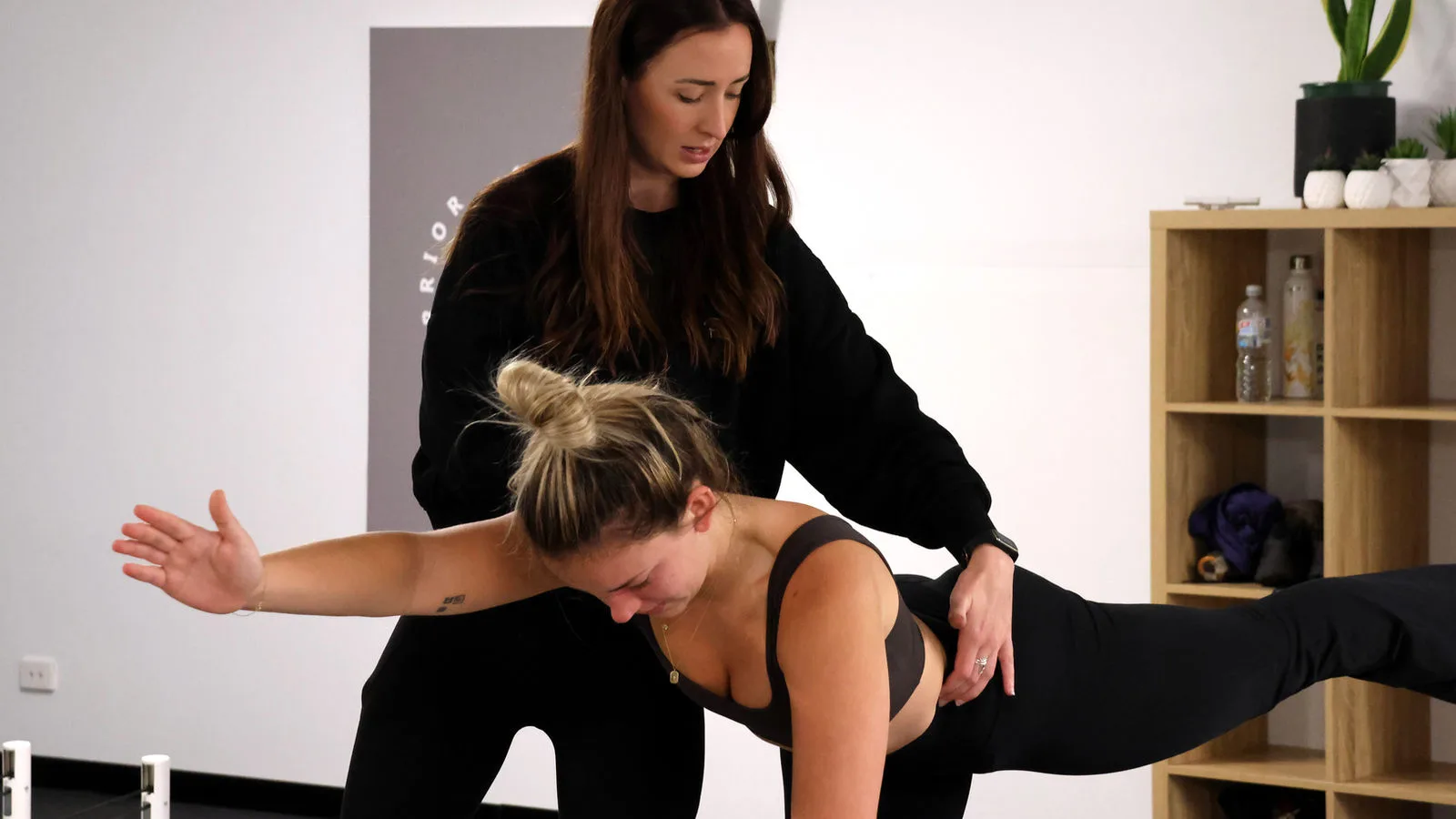
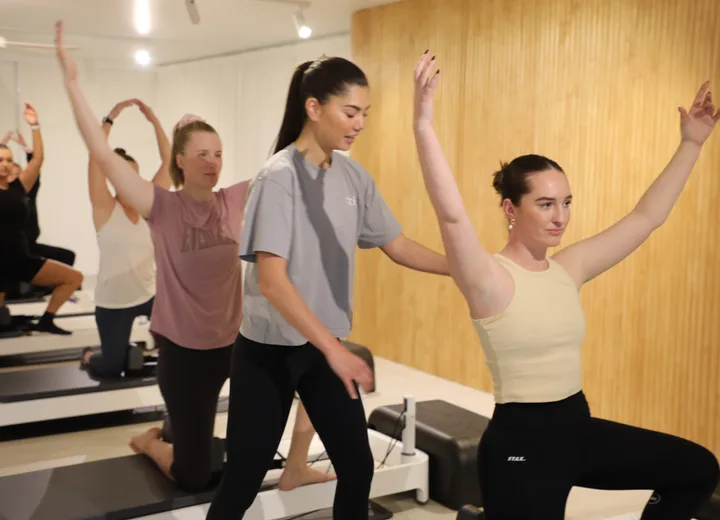
Instructors cue you to keep the pelvis level and the weight even through both feet. Holding that alignment means the weaker side has to step up, rather than letting the body twist to give the job to the stronger side.
How Pilates helps even things out
Discovering an imbalance is the first part. Improving it comes down to practice.
Working one side at a time means the weaker side gets its full share of training, instead of hiding behind its partner. Over weeks, that side tends to catch up. Meanwhile, the overworked side often gets a chance to lengthen and relax, especially in stretching exercises where tightness shows up.
The aim isn't perfect symmetry. Nobody has that, including the most experienced instructors. The aim is for both sides to be capable enough that neither has to do the other's job. Many people find that as their sides become more even, everyday movements like walking and carrying feel smoother.
Making the most of single-sided work
A few habits help you get more from every class.
- Start with your weaker side. You are freshest at the start, so give your less capable side your best effort. If the class order doesn't allow it, just bring extra focus to that side.
- Match the reps, not the effort. Do the same number of reps on both sides, with good form, even if the weaker side has to work much harder.
- Notice, don't judge. It is normal for one side to feel very different. Treat it as useful information.
- Tell your instructor. If one side always feels much weaker or tighter, mention it. They can suggest a lighter spring or a modification so you can work both sides well.
- Check in after a few weeks. Try a simple test like single-leg footwork and note how each side feels. Compare it a month later.
A two minute self-check
If you would like a starting point, try this simple check at home. Stand at the bottom of your stairs, holding the rail. Step up onto the first stair and back down ten times leading with your right leg, then ten times leading with your left. Notice which knee wobbles more and which side tires first.
Next, lie on your back with your knees bent and feet flat on the floor. Lift your hips into a small bridge, then straighten one leg so you are holding the bridge on the other. Lower and swap. Many people find one side feels solid while the other cramps or sags.
Write down what you notice and repeat the check after a couple of months of regular classes. If either test causes pain, stop and mention it to your GP or physio.
When an imbalance needs a closer look
Most left and right differences are harmless and improve with consistent training. Some deserve professional attention. If one side is painful or getting noticeably weaker, see your GP or physio. The same applies if the difference started after an injury and hasn't improved. They can assess what is happening and work out whether there is something to address before you train it.
If you are already working with a physio, let them know you are doing Pilates. Many will happily suggest which exercises to focus on, and our instructors are experienced in working with rehabilitating clients alongside their treatment.
A more even you
Imbalances build up over years, so they don't disappear in a week. With two or three Reformer classes a week, though, you may start to notice your weaker side feeling more capable within a couple of months. Pairing your studio classes with our on-demand video library, which has more than 300 sessions, is an easy way to add extra work at home between classes.
The 21 day trial is a good place to find out what your body has been hiding. It gives you unlimited group classes at Wollongong and Shellharbour for $65, with no lock-in. Book a Control class on the timetable and see which side turns up stronger.